
Acting and the Self That Returns
Drive My CarThis flow follows Kafuku's understanding of acting as both escape from the self and a return that can never be entirely unchanged.
increasing Bearing strength in each event
 decreasing
Bearing strength in each eventdecreasingThe First Attraction to Acting
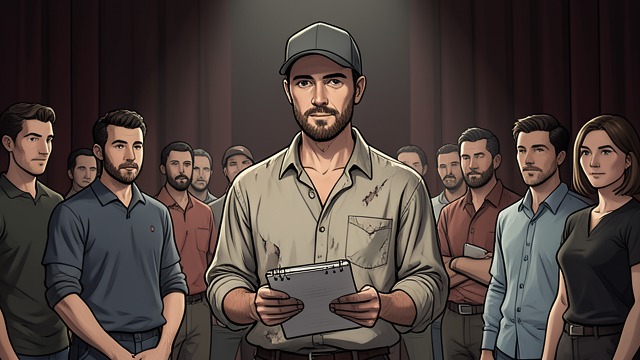
The First Attraction to Acting
A new direction
Kafuku joins a theater club after a college friend invites him. He had expected to pursue baseball, but accepts the invitation partly to spend more time with her and partly to try something new.
Acting becomes meaningful through practice rather than a lifelong plan.
Becoming someone else
Kafuku discovers that performance allows him to inhabit another person while retaining the knowledge that he can return to himself. That boundary makes transformation appealing rather than frightening.
The experience supplies a model he will use to interpret both his profession and his private life.
Rehearsal as Preparation
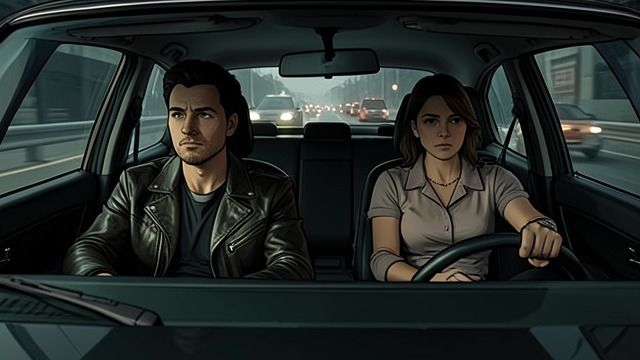
Rehearsal as Preparation
Lines in the car
Kafuku rehearses lines from Uncle Vanya on the drive to the theater. He already knows them by heart, but their repetition calms his nerves and helps him prepare to perform.
Misaki's quiet presence makes the ritual easier to sustain.
Work as controlled transformation
The rehearsal distinguishes the private actor from the character he is about to play, while also preparing the passage between them. Kafuku knows the words and still needs to inhabit their emotional force.
The commute shows performance as a practiced transition, not simply a matter of memorized speech.
A Question About Return
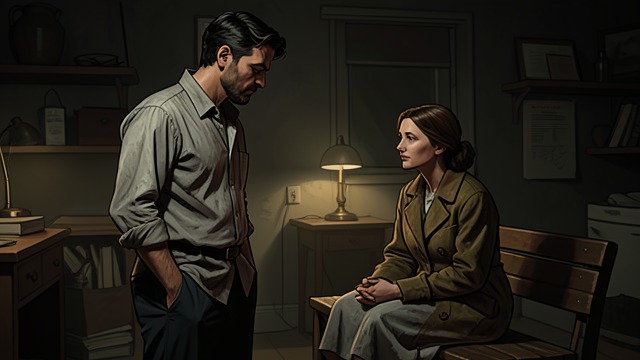
A Question About Return
Misaki challenges the boundary
Misaki asks whether Kafuku ever wanted not to return after becoming somebody else on stage. The question catches him off guard because no one has asked it before.
He answers that there is nowhere else to go back to.
A return altered by experience
The answer does not suggest that the self remains untouched. Kafuku recognizes that the place one returns to is slightly different from the place one left.
Acting becomes a way to describe change that also occurs through ordinary experience.
Friendship as Performance

Friendship as Performance
An acted beginning
Kafuku approaches Takatsuki under the appearance of friendship because he wants to understand the affair. He listens, offers comfort, and performs warmth while gathering information.
The performance is deliberate, shaped by professional habits and private anger.
Real feeling inside the role
Kafuku nevertheless comes to like Takatsuki. When Misaki asks whether the friendship was real or merely acting, Kafuku says it was both and that he can no longer draw a clear line.
The relationship complicates any clean division between performance and sincerity.
The Final Rehearsal of Self
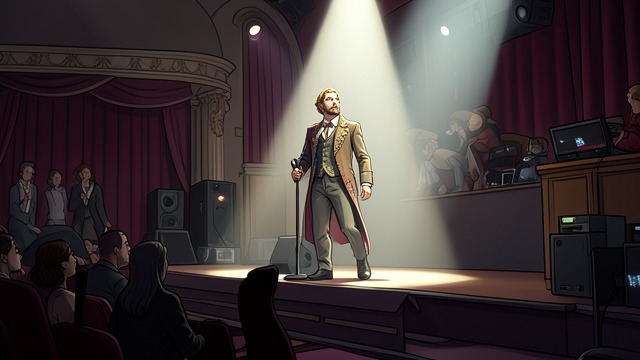
The Final Rehearsal of Self
Back toward the stage
After speaking with Misaki, Kafuku prepares to return to the bright lights, practiced lines, applause, and falling curtain. His working routine remains intact.
The return is not an erasure of what was said in the car.
A self that has shifted
Kafuku understands that the self who comes back is never exactly the same as the one who left. The insight applies to his stage roles and to the conversations that have made him reconsider his grief.
Performance offers a way to continue, but not to undo change.
During Kafuku's college years
Before each performance of Uncle Vanya
During the traffic jam about two months after Misaki begins driving
During Kafuku's six months of drinking with Takatsuki
Near the end of the narrated period
