
Loss Without a Complete Explanation
Drive My CarThis flow explores how death leaves relationships intact in memory while closing off the possibility of definitive answers.
increasing Bearing strength in each event
 decreasing
Bearing strength in each eventdecreasingThe Infant's Unverifiable Cause
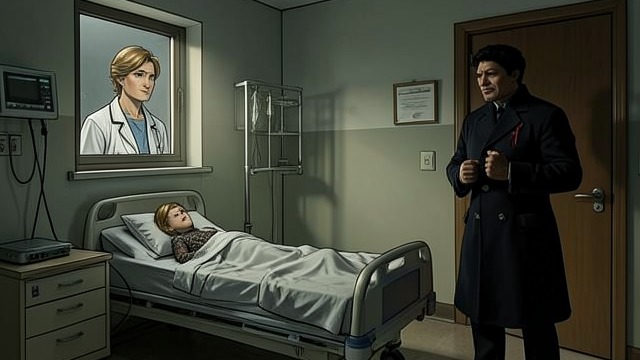
The Infant's Unverifiable Cause
An explanation offered
The hospital says that Kafuku's daughter was born with a defective heart and that there was no way to prevent her death. Her parents cannot verify the account.
Even a complete medical explanation would not return the child to them.
Limits of evidence
The parents must live with both the loss and uncertainty about its precise cause. Their inability to confirm the story does not give them a meaningful path to repair what happened.
The episode establishes that knowledge can matter deeply while still being powerless against death.
A Wife's Motives Unavailable
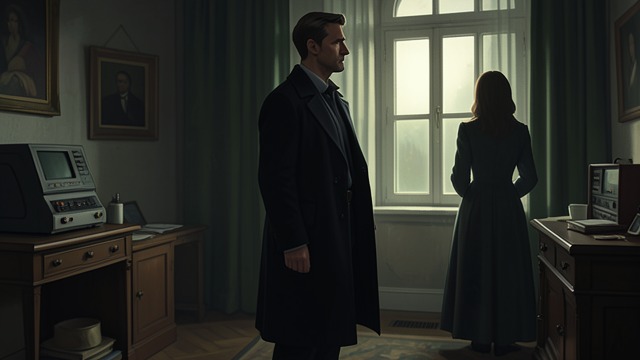
A Wife's Motives Unavailable
Love meets secrecy
Kafuku knows that his wife had affairs, but he does not know what she sought in the men. He had the chance to ask before her illness became terminal and chose not to press her.
Her death closes the final route to hearing her own account.
Memory cannot testify
Kafuku's memories preserve her presence but cannot serve as a complete explanation of her desires. The person he loved remains vivid and partly unknowable.
The loss does not turn memory into certainty; it makes its limits more painful.
Takatsuki's Partial Knowledge
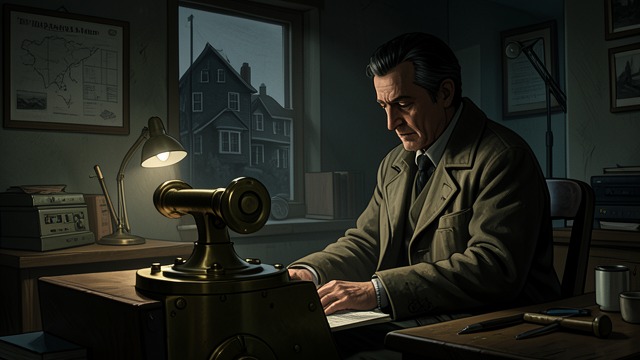
Takatsuki's Partial Knowledge
A lover's incomplete account
Takatsuki remembers an affair and continues to grieve Kafuku's wife, but he cannot explain why she chose him. His knowledge is different from Kafuku's, not a key that unlocks her motives.
He also did not see her during the final illness.
Shared subject, separate losses
The two men talk about the same woman while possessing different fragments of her life. Their conversations offer closeness but cannot combine into a complete account of her inner world.
The story resists the idea that multiple perspectives automatically produce certainty.
The Dead Feel Nothing
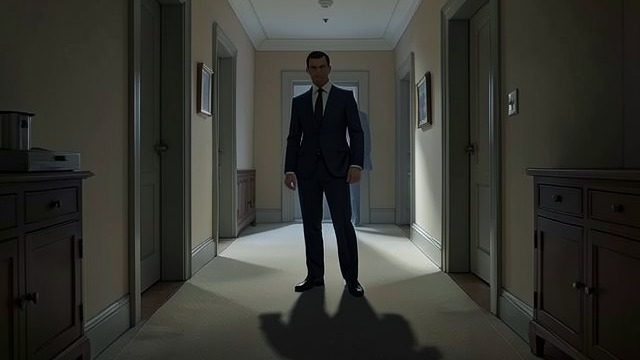
The Dead Feel Nothing
A stark consolation
Kafuku wonders how his wife would feel seeing him and Takatsuki together. He concludes that the dead cannot think or feel, and finds something freeing in that possibility.
The thought does not reduce his love for her; it loosens the burden of imagining her judgment.
A relationship in the present
By speaking with Takatsuki, Kafuku can engage with someone who shared part of her life without pretending that she is still watching them.
The dead remain central to the men's conversation, but the living must decide what to do with the memories they carry.
Acceptance Without Closure

Acceptance Without Closure
What remains unanswered
Kafuku never learns why his wife had affairs or why Takatsuki became one of her lovers. His daughter's death also retains a cause he cannot verify, and Misaki's family history offers no simple account of human behavior.
The story leaves these gaps in place rather than filling them with a final revelation.
A life continues
Kafuku works, listens, sleeps in the car, and speaks with Misaki. These actions do not solve the past, but they show him continuing alongside what cannot be resolved.
Acceptance here means living without a complete explanation, not declaring that the questions no longer matter.
The morning Kafuku's daughter is found dead
After the wife dies
During the months after the funeral
During Kafuku and Takatsuki's first bar meeting
Near the end of the narrated period
