
The Saab as a Moving Interior
Drive My CarThis flow treats the Yellow Saab 900 convertible as a changing private space where work, memory, and conversation come together.
increasing Bearing strength in each event
 decreasing
Bearing strength in each eventdecreasingA Beloved Old Car
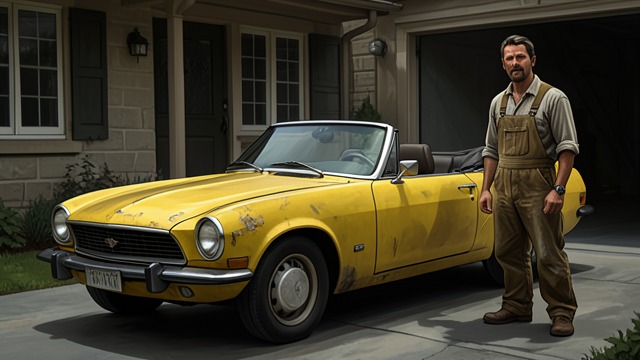
A Beloved Old Car
A long attachment
Kafuku has owned the Yellow Saab 900 convertible for twelve years and driven it nearly a hundred thousand miles. He knows its wear and still has no intention of replacing it.
The car has survived ordinary use and accumulated personal meaning. Kafuku likes driving with the roof down in different seasons, treating the changing sky as part of the pleasure of the vehicle.
A habit interrupted
His wife's death has left him driving alone for years. The accident and license suspension now interrupt even that solitary routine.
The car remains his, but he must experience it from the passenger seat, where familiar streets and mechanical sounds begin to feel newly visible.
Repairs and Return
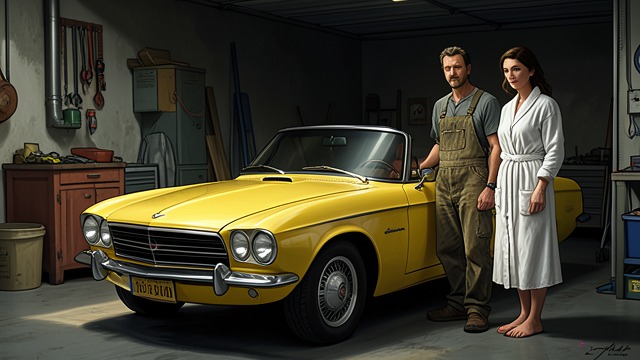
Repairs and Return
Restored for the road
Oba repairs the Saab's damaged fender, adjusts the engine and transmission, and installs new brake pads and wipers. The polished car returns to a condition that reassures Kafuku.
The care of the garage reflects the dependable relationship Kafuku has built with Oba over many years.
A new driver
Misaki arrives while Kafuku is finishing the paperwork. The restored car becomes the setting for their first test drive and the beginning of a new arrangement.
What had been Kafuku's private machine will now carry him through the city under someone else's control.
Manual Gears and Silence
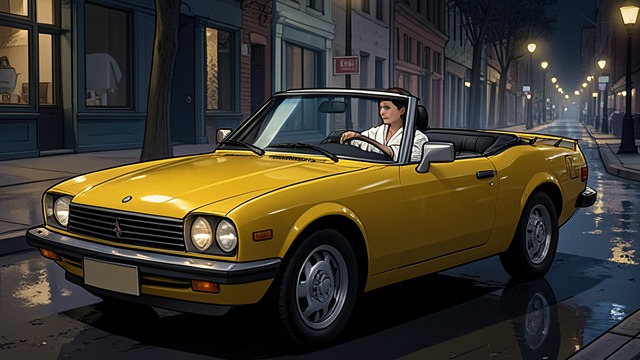
Manual Gears and Silence
A practical trial
Misaki quickly adjusts the seat and mirrors, checks the manual gears, and signals that she is ready. She asks for no extra directions beyond Kafuku's planned route.
Her control is smooth enough that Kafuku can barely detect when she shifts. The engine's sound becomes a subtle measure of her skill.
A different kind of ride
Kafuku has long felt tense beside women driving. Misaki's ease behind the wheel challenges that reflex, while her taciturn manner suits his own discomfort with small talk.
The car begins to offer him a view of the city he has not had from the driver's seat.
Cassettes on the Commute

Cassettes on the Commute
A working rehearsal room
Kafuku uses the car's cassette player to rehearse lines for Uncle Vanya as they travel to Ginza. On the way home, he often plays Beethoven string quartets or the popular music of his youth.
The old sound system suits his routines. Misaki does not comment on his choices, allowing the music and rehearsal to occupy the space between them.
The value of quiet
Kafuku finds it easier to perform beside Misaki because she gives no visible reaction. He can roar lines without having to manage another person's response.
The Saab becomes a mobile extension of both his working life and his need for solitude.
A Window for Smoke
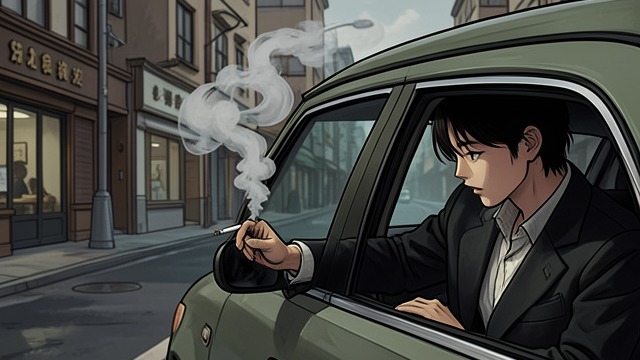
A Window for Smoke
A small permission
When Kafuku notices Misaki's unlit cigarette, he tells her she may smoke despite the roof being closed. She lowers the window and lets the smoke escape into the traffic.
The exchange is modest, but it shows that their working rules can shift as trust develops.
A dark joke
Misaki answers Kafuku's warning about tobacco with the thought that being alive is a killer. Kafuku laughs, genuinely enough that she remarks she has never seen him do so before.
Inside the old car, ordinary habits open onto a less guarded companionship.
Before Kafuku's accident
The afternoon Misaki arrives at the garage
The first test drive
The first weeks of theater performances
During a later traffic jam
