
Misaki's Life Before Tokyo
Drive My CarThis flow follows what Misaki reveals about a childhood shaped by abandonment, blame, and her mother's drinking, and how she carries that past into adult life.
increasing Bearing strength in each event
 decreasing
Bearing strength in each eventdecreasingA Childhood in Hokkaido
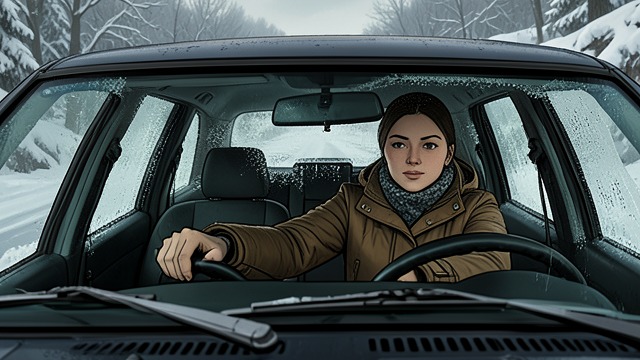
A Childhood in Hokkaido
Learning to drive early
Misaki grows up in the mountains of Hokkaido, where a car is necessary and roads are icy for much of the year. She starts driving in her early teens.
Her driving skill comes from long practical experience, not a brief training period. The difficult roads help explain the composure she later shows in the city.
A skill carried forward
As an adult, she navigates without a GPS and handles a manual car with confidence. Her competence is one of the few things Kafuku can judge immediately without asking about her past.
The road becomes both a practical source of independence and a recognizable part of her identity.
Her Father's Departure
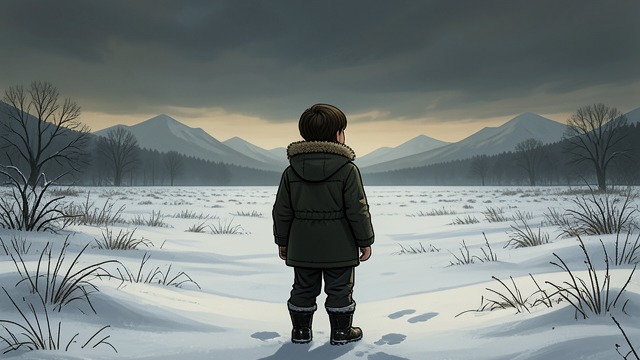
Her Father's Departure
An early abandonment
Misaki's father leaves the family when she is eight. She never sees or hears from him again, and she grows up without knowing where he has gone.
The disappearance becomes a wound that her mother repeatedly explains by blaming Misaki's appearance. Her father's choice is thus turned into a verdict on the child he left behind.
A cruel explanation
Misaki recalls being told that her father would have stayed if she had been prettier. She presents this as her mother's accusation, not as a truth she accepts.
The repeated blame shapes the way she remembers childhood and helps explain her distance from easy reassurance.
A Mother's Drinking
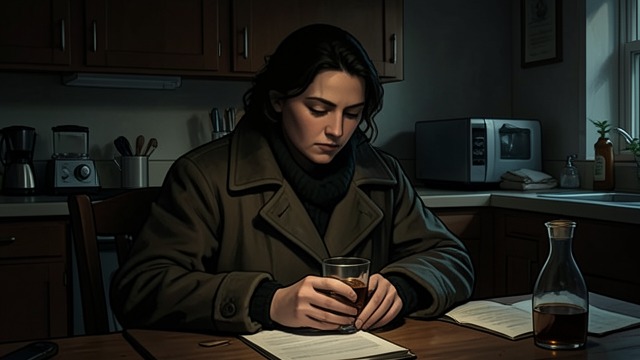
A Mother's Drinking
Repeated harm
Misaki's mother drinks heavily and, when intoxicated, repeats the same hurtful accusations about her daughter's appearance. Misaki says her mother is not always like that, but the drinking turns the words into a recurring injury.
The alcohol problem affects the household long before it ends in tragedy.
The daughter's response
Misaki later tells Kafuku that she was relieved when her mother died. She recognizes how harsh that sounds, yet refuses to disguise the emotional truth of her response.
Her guarded manner carries the history of having to endure a parent's behavior without being able to change it.
The Fatal Drive
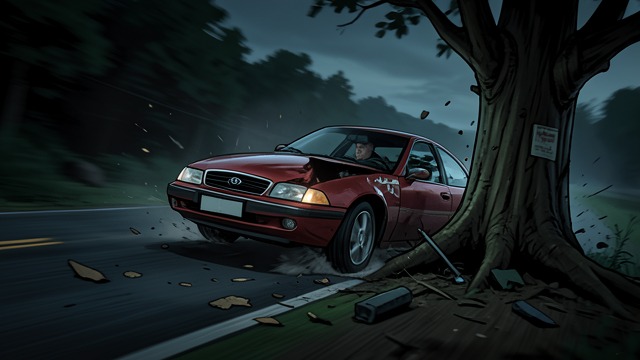
The Fatal Drive
A drunk-driving crash
Misaki's mother drives while intoxicated, loses control, spins off the road, and hits a tree. She dies almost immediately, when Misaki is seventeen.
The death gives a sudden final form to a danger that had been present in the family for years.
Relief and judgment
Misaki describes the crash without sentimentality, saying it was bound to happen sooner or later. Her blunt phrasing holds both the weight of loss and her recognition of the risk her mother repeatedly took.
The experience helps explain why Misaki does not drink and why she speaks of survival without romanticizing it.
Life Without Friends
Life Without Friends
A narrow circle
At twenty-four, Misaki tells Kafuku that she has no friends. She does not give him a complete explanation, keeping her private life as guarded as her working demeanor.
She supports herself through short-term work, including convenience-store and courier jobs, and has come to the garage looking for employment.
An unresolved past
Misaki's history does not turn her into an open storyteller. She shares facts selectively, often in a level voice that makes painful events sound settled.
The driving job brings her into sustained contact with Kafuku, but the account leaves the future of her relationships open.
Misaki's childhood in Hokkaido
When Misaki is eight
During Misaki's childhood and adolescence
When Misaki is seventeen
When Misaki is twenty-four
