
The Child Who Would Have Been
Drive My CarThis flow follows the continuing place of Kafuku's infant daughter in the family history and in his later acts of remembrance.
increasing Bearing strength in each event
 decreasing
Bearing strength in each eventdecreasingBirth of a Daughter
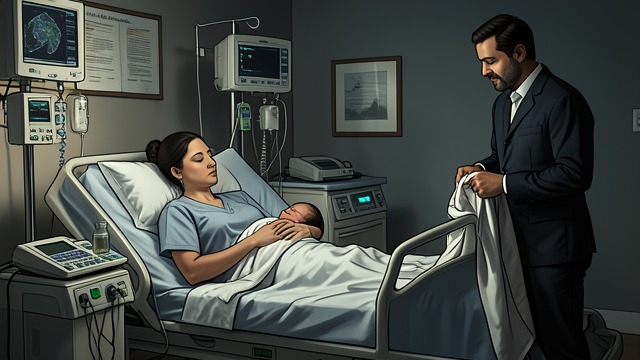
Birth of a Daughter
A hoped-for arrival
Kafuku and his wife have a daughter. The child is born with a heart defect, though the parents do not know that this will make her life so brief.
The event enters a marriage built around work, affection, and hopes for a shared future.
A family interrupted
The girl survives only three days. The shortness of her life makes the ordinary expectation of raising a child impossible almost before it can begin.
Her death will remain a defining loss for both parents, even as they later return to work and daily routines.
Three Days in Hospital
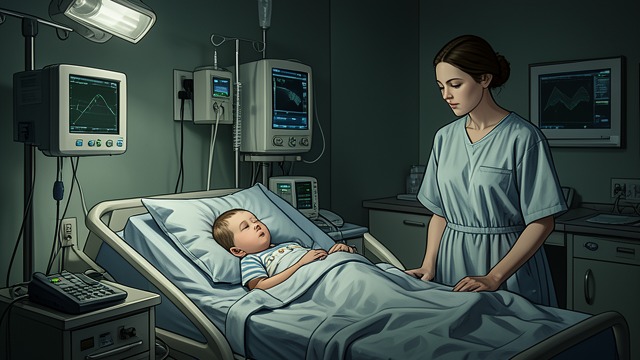
Three Days in Hospital
Sudden death
The baby dies in the hospital nursery when her heart stops without warning. By the time she is found the following morning, she is already cold.
The hospital gives the parents a medical explanation, but there is no way for them to verify it independently.
No remedy in certainty
Knowing the exact cause would not bring the child back. That reality limits what investigation can offer the grieving parents.
They have not named her, and the absence of a name becomes another part of a loss that has no practical solution.
Silence After Loss
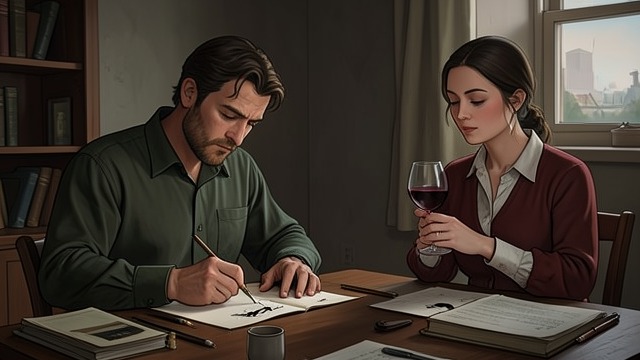
Silence After Loss
A suspended household
The death wounds Kafuku and his wife so deeply that they withdraw into their apartment and spend much of their time in silence. They believe that words might cheapen what they feel.
Their different responses make the grief visible: his wife drinks, while Kafuku turns to calligraphy with near-fanatical intensity.
A slow recovery
They support one another until they can reenter daily life and focus again on their work. Recovery comes slowly and does not mean forgetting.
The experience changes their understanding of what the future can hold.
A Decision Against Another Child
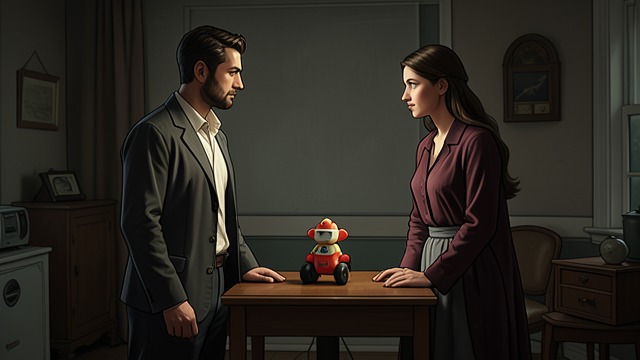
A Decision Against Another Child
A shared boundary
Kafuku's wife tells him that she does not want another child. He agrees, willing to do whatever she wants to ensure she will not become pregnant again.
Their decision is presented as a mutual response to a devastating loss, not as a dispute between them.
An unexplained afterlife
Years later, Kafuku wonders whether the loss affected his wife's desire and her affairs. He cannot prove that connection and calls it no more than a possibility.
The child’s death continues to shape the adults' lives, but the story refuses to make it a complete explanation for every later choice.
A Birthday Prayer
A Birthday Prayer
A private observance
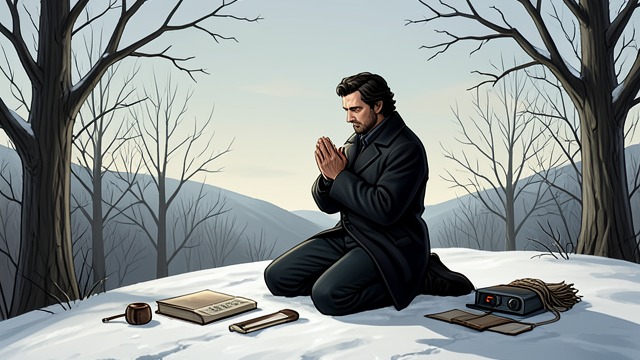
Kafuku joins his hands in prayer on the birthday of the child who never lived long enough to be named. He thinks about how old she would have been.
The ritual preserves a relationship to someone whose life consisted of only a few days.
An imagined future
By the time Misaki is twenty-four, Kafuku knows that his daughter would have been the same age. That coincidence makes Misaki's age arrest his attention.
The imagined adult life of the child remains unknowable, but Kafuku continues to mark its absence.
Early in Kafuku's marriage
The infant's first three days
The months after the infant's death
After the couple begins to recover
Each year on the child's birthday
