
The Annual Song of Comparison
Dumplin'“Jolene” connects generations of women and friends while giving Willowdean a language for comparison, longing, and finally chosen self-expression.
increasing Bearing strength in each event
 decreasing
Bearing strength in each eventdecreasingA Childhood Soundtrack
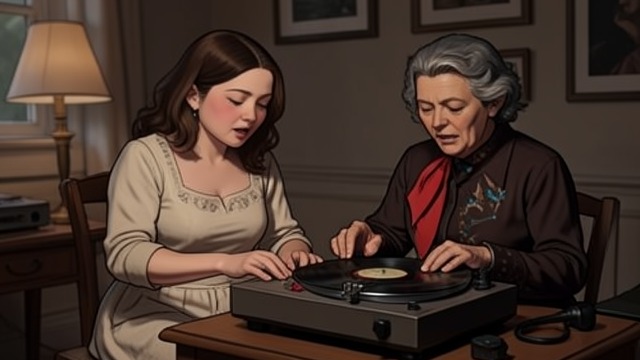
A Childhood Soundtrack
Music as family memory
Dolly Parton songs accompany Willowdean’s childhood with Lucy, Ellen, and their mothers. Shared singing makes music an easy language of friendship before either girl has to explain herself.
A model of unapologetic presence
Willowdean admires Dolly’s flamboyance and refusal to change for critics. The singer becomes more than a favorite artist: she represents the possibility of choosing one’s own appearance and public identity.
Lucy’s Records
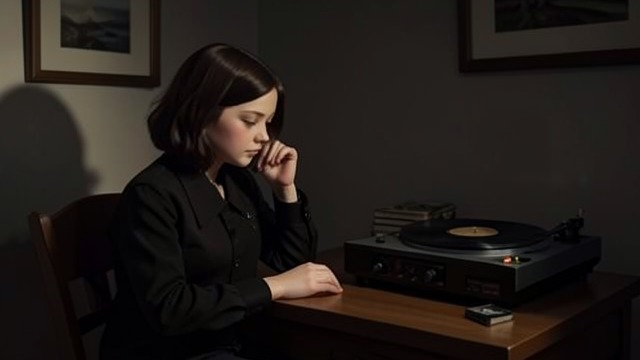
Lucy’s Records
An intimate inheritance
Willowdean finds Lucy’s Dolly tapes and listens alone in the room her mother hopes to clear. The recordings make grief audible in a space where photographs are scarce.
Memory shared with Ellen
Dolly music also belongs to Ellen and Mrs. Dryver, connecting Willowdean’s private mourning to a friendship that began in childhood. Lucy’s tastes thus remain a living bridge rather than a sealed collection.
A Song of Comparison

A Song of Comparison
Hearing the plea anew
At The Hideaway, Lee Wei performs “Jolene,” and Willowdean hears the song as a plea from someone who believes another woman is more beautiful and worthy. Its catchy familiarity carries a private fear of always being compared unfavorably.
A possible performance
Willowdean imagines singing it for the pageant, though she doubts her own talent. The song gathers the feelings she has struggled to say about Bo, her body, and the imagined competition with other girls.
The Song Replaces the Trick
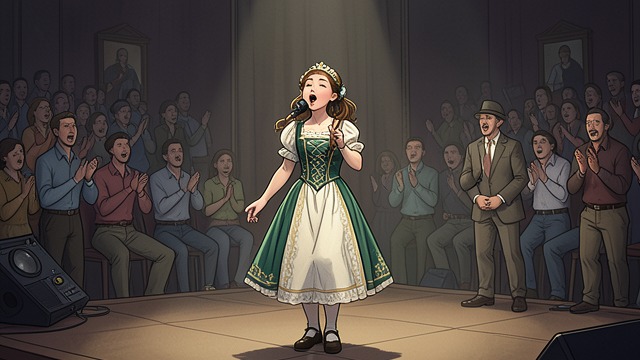
The Song Replaces the Trick
A deliberate departure
Willowdean appears in a Dolly-inspired look and lip-syncs “Jolene” instead of performing the approved magic act. The song lets her bring memories of Lucy and Ellen into the competition.
A voice in the audience
As she performs, she imagines and hears others singing along. The moment turns a song about comparison into a shared experience rather than a private confession.
A Shared Musical Language
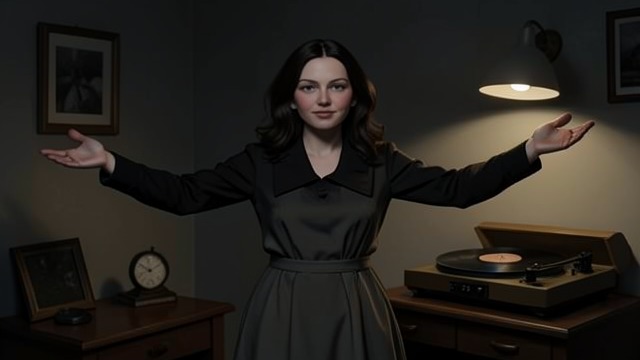
A Shared Musical Language
Meaning survives the rulebook
Willowdean is disqualified for changing her talent, but the performance has already connected her memories and relationships in public. The song’s meaning cannot be reduced to the judges’ approval.
An unfinished refrain
She ends the book returning to Harpy’s, where Bo says her full name and she sighs. The story leaves their relationship open, while the music and name that have marked their intimacy remain part of her life.
Childhood, before Lucy’s death
Early summer, during Willowdean’s search through Lucy’s room
Several weeks before the pageant, after the visit to The Hideaway
Pageant night, during Willowdean’s talent round
After the pageant, as Willowdean returns to Harpy’s
