Clover City’s pageant-centered social order
Dumplin'Clover City’s pageant-centered social order turns the Miss Teen Blue Bonnet Pageant into more than an annual contest: it is a public measure of prestige, a civic tradition, and one of the town’s defining institutions. The pageant gives Clover City a source of identity beyond its football team, but its elevated status also makes beauty-queen ideals hard to escape, particularly for people whose bodies or appearances do not match them.
Origins and civic prominence
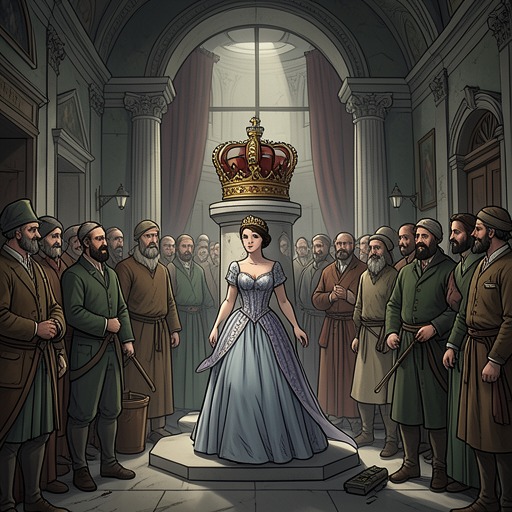
The Miss Teen Blue Bonnet Pageant began in the 1930s and is described as the oldest beauty pageant in Texas. In Clover City, where the football team is only intermittently strong and recognition beyond town is uncommon, the pageant is the clearest claim to distinction. It has grown over the decades into a central local institution, and its reputation is carried forward by Willowdean’s mother, who has led the planning committee for fifteen years.
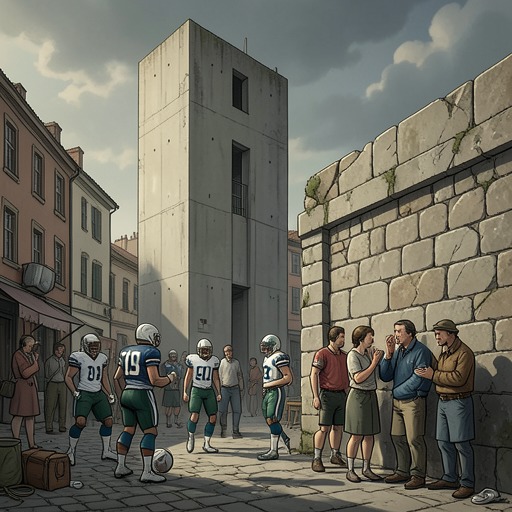
The contest’s influence is visible well before the event itself. Girls train on the track around the football field in matching pink shorts and tank tops during a boot camp that lasts all summer. The image places pageant preparation within the town’s familiar public landscape, alongside the stadium and school grounds; participation is not hidden away as a private hobby but becomes part of the season’s visible routine.
Status, family reputation, and commercial reach
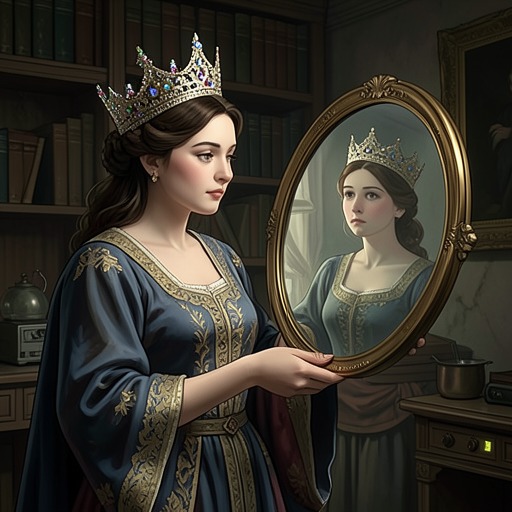
Beauty queens occupy a distinctive place in the town’s hierarchy. Football players may be treated like gods and cheerleaders enjoy their own standing, but the girls who reign most conspicuously in this local order are the queens. Willowdean’s mother embodies the prestige attached to that role. She regards her pageant victory as her greatest accomplishment and, as committee head and official hostess, makes a yearly appearance in the dress she has kept wearing. Her continued ability to fit into it is part of the public display, reinforcing the idea that a queen’s achievement remains a present-tense source of admiration.
That status shapes Willowdean’s place in town as well. She is the daughter of one of Clover City’s most cherished beauty queens, but she describes herself as tubby and says that this connection does not earn her social standing. Her mother’s pageant identity therefore works as both inherited prominence and a source of pressure: the family is closely associated with an institution whose ideals do not automatically make the daughter feel included.
The pageant’s influence also reaches into ordinary commerce. At Harpy’s Burgers & Dogs, new red cups carry the restaurant logo alongside a notice that it is an official sponsor of the pageant. The cups replace perfectly usable ones, and the promotion is explained through a personal connection: a committee member’s mother won in 1977. To Willowdean, this is another sign that pageant season has spread beyond its proper date, seeming to arrive earlier and earlier until the contest feels like a year-round event.
Retail displays extend that atmosphere. During homecoming and pageant season, mall windows fill with formal dresses; outside Frills, a baby-blue gown is advertised as a one-of-a-kind option for a future Miss Teen Blue Bonnet. The combination of a dress, a crown-oriented sales pitch, and the surrounding formalwear market makes the pageant’s prestige visible as both aspiration and commerce. Willowdean experiences that saturation not as uncomplicated celebration but as a pressure that seems to have spread through the whole town.
Football, spectacle, and collective pride
The pageant’s dominance does not mean football is unimportant. Willowdean identifies football and the pageant as Clover City’s lifeblood: each can draw the town beyond its ordinary self and make it feel, for a time, like a better version of itself. The football stadium’s lights and the pageant curtain create parallel scenes of public anticipation and collective attention. Their shared power helps explain why the pageant commands loyalty even from someone who resents its reach.
This dual structure gives the pageant a civic function as well as a hierarchy of beauty. It offers a recurring occasion through which the town can gather around spectacle and local achievement, much as it does for football. Willowdean does not dismiss that communal pull outright; she recognizes that both institutions can make Clover City feel larger and more confident. Her criticism is directed at the cost of that prominence and at the way the pageant’s ideals seem to define the town’s standards for feminine status.
Exclusion and the limits of belonging
The pageant-centered hierarchy makes appearance socially consequential. Willowdean’s sense that her mother’s crown cannot secure her acceptance shows how public prestige can coexist with personal exclusion. The same culture is present in small, repeated details: training clothes on the track, formal gowns in shop windows, branded restaurant cups, and the town’s familiarity with its queenly reputation. Together, these details make the pageant less an isolated competition than an environment through which residents encounter beauty and status.
Other forms of difference reveal the limits of the town’s social world. Willowdean remembers Hannah as a quiet, stubborn girl who objected when classmates and a teacher misread her: in elementary school, Hannah insisted on permission before someone took her marker, and later corrected a teacher who called her African American, explaining that she was Dominican. At school, other students mock her appearance and ask why she does not get braces. When Willowdean asks about her teeth, Hannah answers that she should not have to change them and explains that dental care is expensive: her mother is a hairdresser, her father a mechanic, and the family does not have good insurance. She also says that she has no friends to walk the hallways with her. Her experience shows how judgments of appearance can intersect with limited access to treatment and with social isolation; the expectation that a person should correct a feature for others’ comfort is itself part of the pressure.
Clover City’s narrowness also appears in the way openly gay people are imagined. When Willowdean goes to a drag show, she realizes that she has never knowingly met an openly gay person from town; people she has heard about have been treated as urban legends or cautionary tales. She recalls that Lucy had many gay friends online and described Dolly Parton as the patron saint of gay men. The contrast between Lucy’s connections and Willowdean’s limited experience suggests that the town’s prominent public culture does not encompass every community equally. The pageant and football may unite Clover City around spectacle, but their centrality does not make the town’s broader social world equally visible to everyone.
Narrative significance
The pageant’s importance rests on a productive contradiction. It gives Clover City a shared identity, a reason to gather, and a source of pride that Willowdean herself can recognize. At the same time, its recurring visibility turns a particular standard of feminine achievement into a powerful measure of belonging. The town’s support is material as well as symbolic: committee leadership, summer training, annual appearances, sponsorship, and seasonal retail all keep the contest present beyond the night of the event.
By placing Willowdean’s discomfort beside the pageant’s civic prestige, the narrative distinguishes community pride from universal acceptance. The institution can make the town feel larger and more alive while also intensifying the sense that some bodies, appearances, and identities fall outside its ideal image. Its central place in Clover City is therefore both the source of its social power and the reason its standards matter so deeply.