The pageant revolution
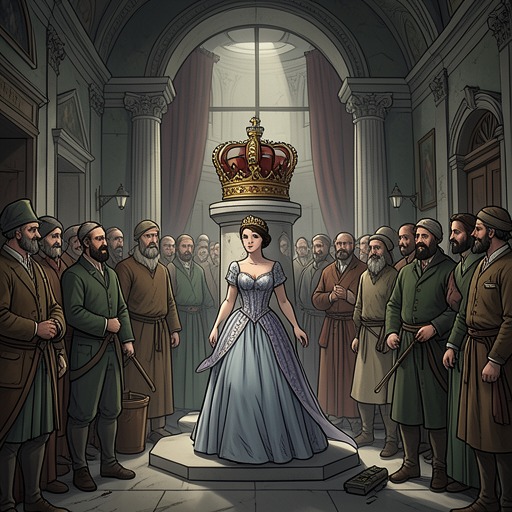
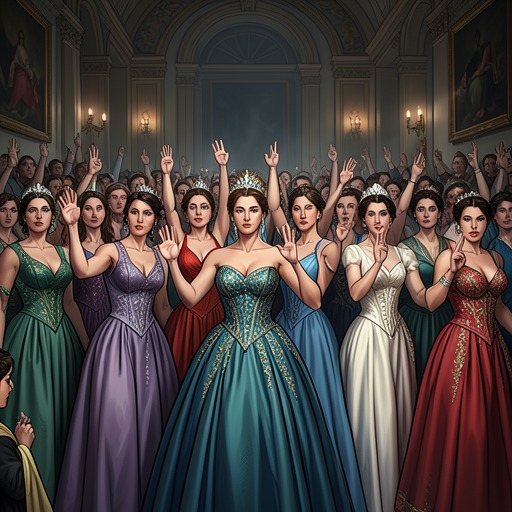
Dumplin'The pageant revolution is Willowdean Dickson’s framing of entry into the Miss Teen Blue Bonnet Pageant as a challenge to the assumption that only conventional beauty queens belong on its stage. It turns participation into a question of access and belonging, while the conflict with Ellen Dryver reveals that an inclusive ideal can become entangled with personal fear and rivalry.
A Revolution with an Entry Fee
At registration, Willowdean calls the cost of joining the revolution two hundred dollars. The remark gives her rebellious language an immediate material limit: entering requires money, not just conviction. Inside the community center, girls sit in groups associated with pageant legacies, athletics, cheerleading, theater, and choir. Many wear Easter dresses and cardigans, while Willowdean and her friends arrive in jeans and T-shirts. The contrast makes the contest’s established social world visible before anyone takes the stage.
Inclusion and Its Contradiction
Willowdean urges Ellen to withdraw, asking her to let Willowdean have this one thing. Ellen counters that Willowdean cannot choose who gets to join the revolution. Her objection exposes the contradiction in Willowdean’s position: she argues for wider access, yet wants to exclude a close friend because Ellen could genuinely win. Willowdean recognizes the force of Ellen’s logic, but remembers an earlier moment when her mother invited Ellen to enter and did not invite her. That memory helps explain why Ellen’s possible success feels to Willowdean like a threat to something she has claimed for herself.
Millie’s Serious Commitment
Millie Michalchuk gives the idea of participation a different emphasis. She explains that pageants involve more than dresses and talents: showmanship, pride, interviews, and the ability to play to one’s strengths also matter. She points to Amanda Lumbard’s soccer tricks in corrective cleats and identifies the interview as her own strength. Willowdean realizes that Millie is not treating the pageant as a joke. Her earnest investment complicates any easy opposition between outsiders and the contest: Millie wants to enter not simply to mock its standards, but because she believes the institution can offer recognition and opportunity.
Participation as Belonging
Later, Willowdean explains the principle to Bo Larson through an analogy with attending Mass. He continues going even though he does not attend Holy Cross; taking part in something with a team does not require being on the team. Likewise, Willowdean argues, girls need not look like beauty queens to enter the pageant. The comparison shifts the revolution from a claim about winning to one about the right to participate. Bo responds that he finds her more attractive and intelligent than any beauty queen, and her embarrassed reaction leaves the exchange affectionate without changing its central point: belonging need not depend on fitting the pageant’s image.