
Visibility, Representation, and the Stage
Dumplin'The novel asks who gets to represent beauty and belonging, showing that visibility can challenge an institution even when the institution does not fully change.
increasing Bearing strength in each event
 decreasing
Bearing strength in each eventdecreasingA Town’s Representative
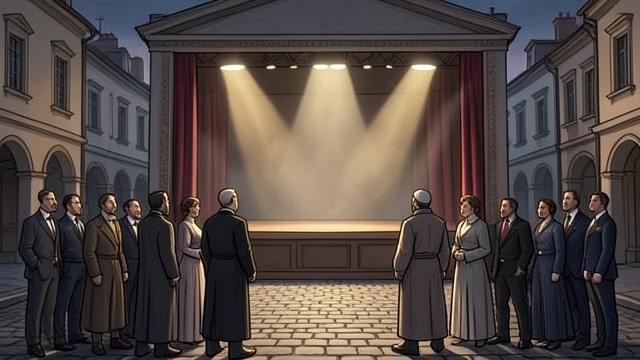
A Town’s Representative
Prestige is concentrated
The pageant and football dominate Clover City’s civic imagination. Their stars are treated as representatives of what the town can become.
Representation has limits
Willowdean’s mother is celebrated as a former queen, while Willowdean assumes that her own body disqualifies her from the same stage. The town’s symbols therefore make some residents visible and others peripheral.
The Contestants Outside the Mold
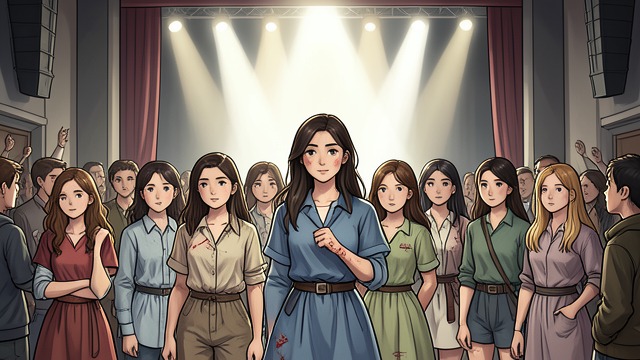
The Contestants Outside the Mold
A different group assembles
The entrants include girls who have been mocked for their bodies, mobility, teeth, or identity. Their presence contrasts with the polished contestant image familiar to the town.
Visibility is not a guarantee
The girls know they may be ridiculed and do not assume that the pageant will welcome them equally. Their entry matters because it makes them present, not because it guarantees fair treatment.
A Talent That Does Not Fit
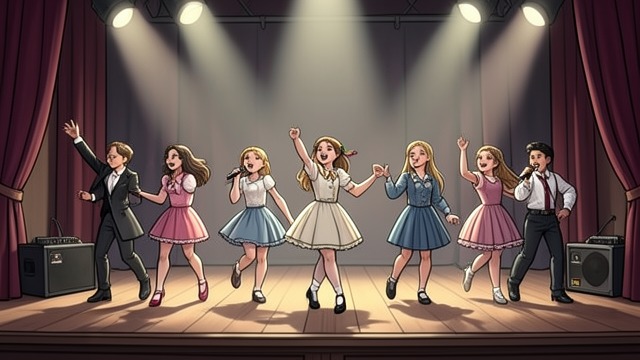
A Talent That Does Not Fit
Conventional acts dominate
Contestants sing and perform familiar stage talents, while Amanda offers soccer tricks and Hannah sings a melancholy song. Their choices test what the committee considers appropriate pageant material.
Permission is not full acceptance
The committee approves their acts, sometimes with hesitation. The process shows that unconventional contestants may be admitted while still being treated as exceptions to the standard.
The Five Hands
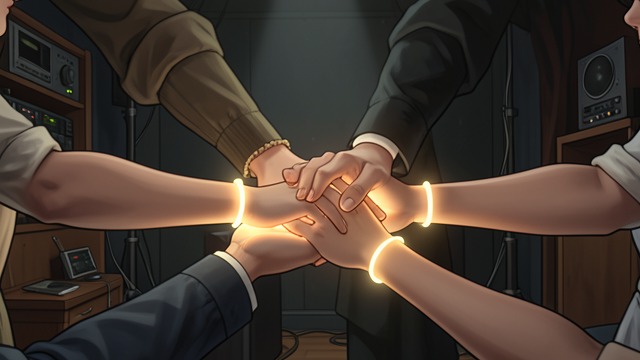
The Five Hands
A collective gesture
After Millie’s parents agree, Willowdean, Ellen, Millie, Amanda, and Hannah join hands backstage. The gesture connects contestants who have argued and differed in temperament.
Belonging becomes visible
The pageant’s formal hierarchy cannot capture the bond among the girls. Their joined hands show a form of representation rooted in mutual support rather than in a single winner.
The Stage Expands
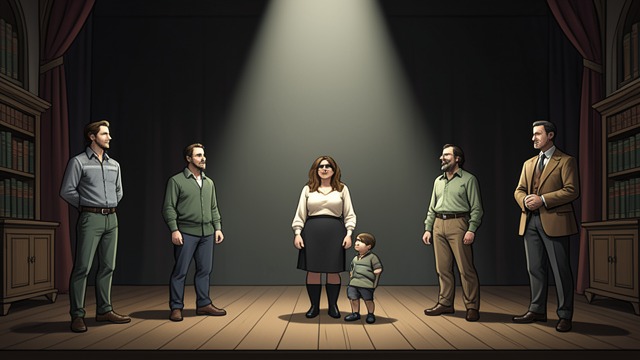
The Stage Expands
More than one image appears
The contestants take the stage in different outfits, with varied talents and escorts. Their differences remain visible rather than being hidden by a single shared ideal.
A limited but real change
The pageant does not abandon its rules or rankings, yet it now includes people whose participation challenges what the town expects a contestant to look like. Representation begins with presence, even when recognition remains incomplete.
Early summer, as Willowdean describes Clover City
Registration day, after Willowdean, Millie, Amanda, and Hannah enter
Several weeks before the pageant, during talent approval
The day before the pageant, after Millie receives permission
Pageant night, during the final group appearances
