Life is not lived by denying life
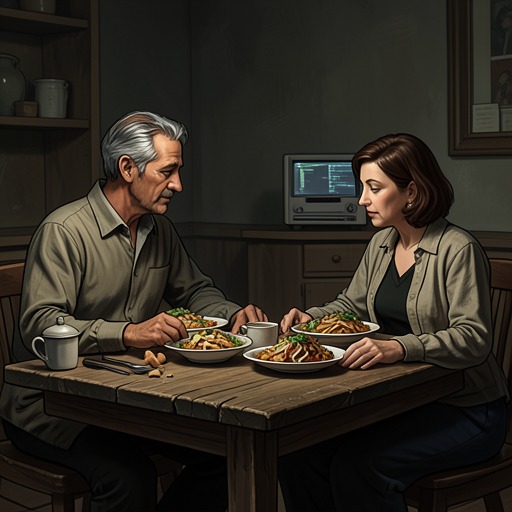
Earth Abides“Life is not lived by denying life” is Em’s argument for accepting The Others into the Tribe despite the danger of disease. Spoken during a divisive debate, the phrase turns fear of possible death into a reason to face risk rather than let it govern the community’s future.
Wording and Meaning
Em’s sentence rejects survival at any cost when survival means refusing the conditions of life. She does not promise that accepting outsiders will be safe: she acknowledges that death may come and insists that the Tribe must face that possibility. The statement’s force lies in holding both facts together—the danger is real, and avoiding danger cannot be the only measure of how to live.
The Debate Around the Expression
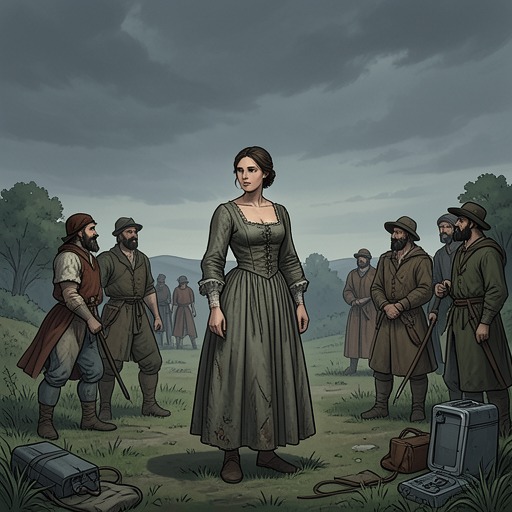
The Tribe’s argument over admitting The Others brings several concerns into conflict. Fear of disease combines with prejudice toward strangers and unfamiliar customs, while curiosity about those differences pushes against suspicion. The Tribe also needs more members and, especially, wives: in recent years fewer girls than boys have been born, leaving some young men without marriage prospects. Ish worries that universal cousin marriage may make continued inbreeding dangerous.
Ish and Ezra oppose the union, as do Jack, Ralph, and Roger, the oldest of the younger men, who remember the Year 22. The still younger men, particularly those who are unmarried, support it, excited by the prospect of the other tribe’s girls. Em’s words enter a debate shaped by fear, demographic need, and competing expectations of what the community must protect.
The Words in Action
Em speaks with a calm voice, though her hair has turned wholly gray. The account attributes the change in the gathering less to the content of her argument than to the spirit she communicates: those present gain courage, and they vote without dissent to admit The Others. Her statement does not erase the risk; it helps the Tribe choose while acknowledging it.
Consequences and Significance
The feared epidemic does not follow the admission in its worst imagined form. The Others contract measles, but soon recover, and this is the only epidemic associated with their arrival. From then on, the Tribe contains a lasting division into two clans, The First Ones and The Others. Members intermarry, and their children belong to their father’s clan. The expression thus accompanies a consequential choice: rather than preserve the community by excluding strangers, the Tribe accepts uncertainty and makes room for a larger, internally differentiated society.