
The Theme of the Individual vs. the Group
East of EdenThe novel's exploration of the tension between individual thought and mass conformity, especially in the context of war and society.
increasing Bearing strength in each event
 decreasing
Bearing strength in each eventdecreasingThe Glory of the Individual
The Preciousness of the Mind
The Creative Individual
Steinbeck argues that the most valuable thing in the world is the free, exploring mind of the individual. All creativity comes from the individual, not the group.
The Threat of the Mass
In the modern world, forces are marshaled to destroy the individual. Mass production, mass thinking, and mass conformity are the enemies of the creative spirit.
The Duty to Fight
Steinbeck declares that he will fight against any idea, religion, or government that limits or destroys the individual. This is the moral stance of the novel.
The Military and Conformity
The Destruction of the Self
The Training of a Soldier
Cyrus Trask's description of the army is a warning. The army strips a man of his individuality. It makes him part of a machine. Adam is horrified by this.
The Fear of Difference
In the army, any difference is dangerous. The group will destroy anyone who does not conform. Adam learns to hide his true self to survive.
The Loss of the Soul
Adam's experience in the army is a metaphor for the loss of the soul. He becomes a 'faceless' soldier. It takes him years to recover his sense of self.
The War and the Herd Mentality
The Group Mind
The Patriotism of the Herd
During World War I, the pressure to conform is immense. People who do not support the war are persecuted. The group mind takes over.
The Persecution of Mr. Fenchel
Mr. Fenchel, the German tailor, is a victim of the herd mentality. He is innocent, but he is targeted because he is different. The group needs a scapegoat.
The Loss of Critical Thinking
In times of war, critical thinking is often abandoned. People follow the crowd. The novel warns against this loss of individuality.
Samuel Hamilton as the Individual
The Model of Individuality
The Independent Thinker
Samuel Hamilton is the epitome of the individual. He thinks for himself, reads widely, and questions everything. He is not afraid to be different.
The Threat to the Community
Samuel's individuality is initially a threat to the community. He is seen as strange. But over time, he is accepted and loved. His difference becomes a gift.
The Legacy of the Individual
Samuel's children are all individuals in their own ways. They are not copies of each other. He has passed on the value of independent thought.
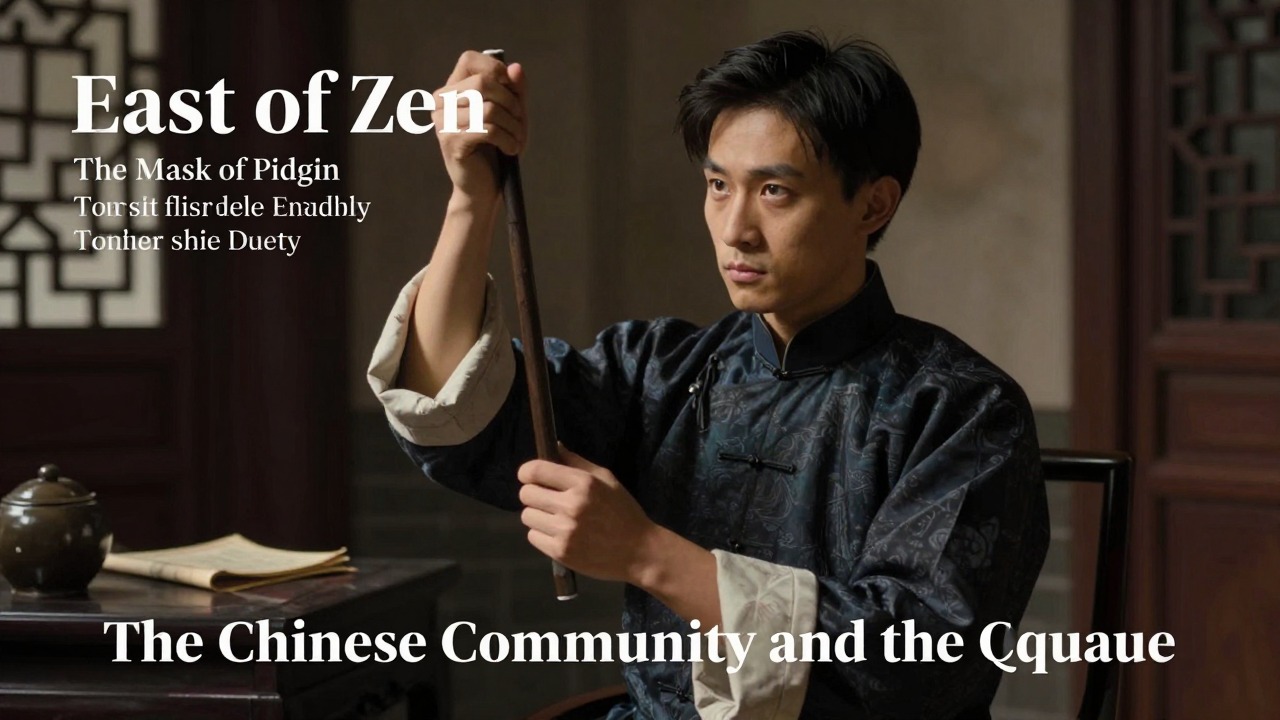
The Chinese Community and the Queue
The Double Identity
The Mask of Pidgin
Lee speaks pidgin English to conform to the expectations of white society. He hides his true self. This is a survival strategy.
The Cutting of the Queue
When China becomes a republic, Lee cuts off his queue. This is a symbolic act of liberation. He is no longer bound by the old customs.
The Search for Belonging
Lee is caught between two worlds. He is not fully Chinese or American. He eventually finds his place in the Trask household, where he is valued for his individual qualities.
The Triumph of the Individual
The Individual's Victory
The Choice to Bless
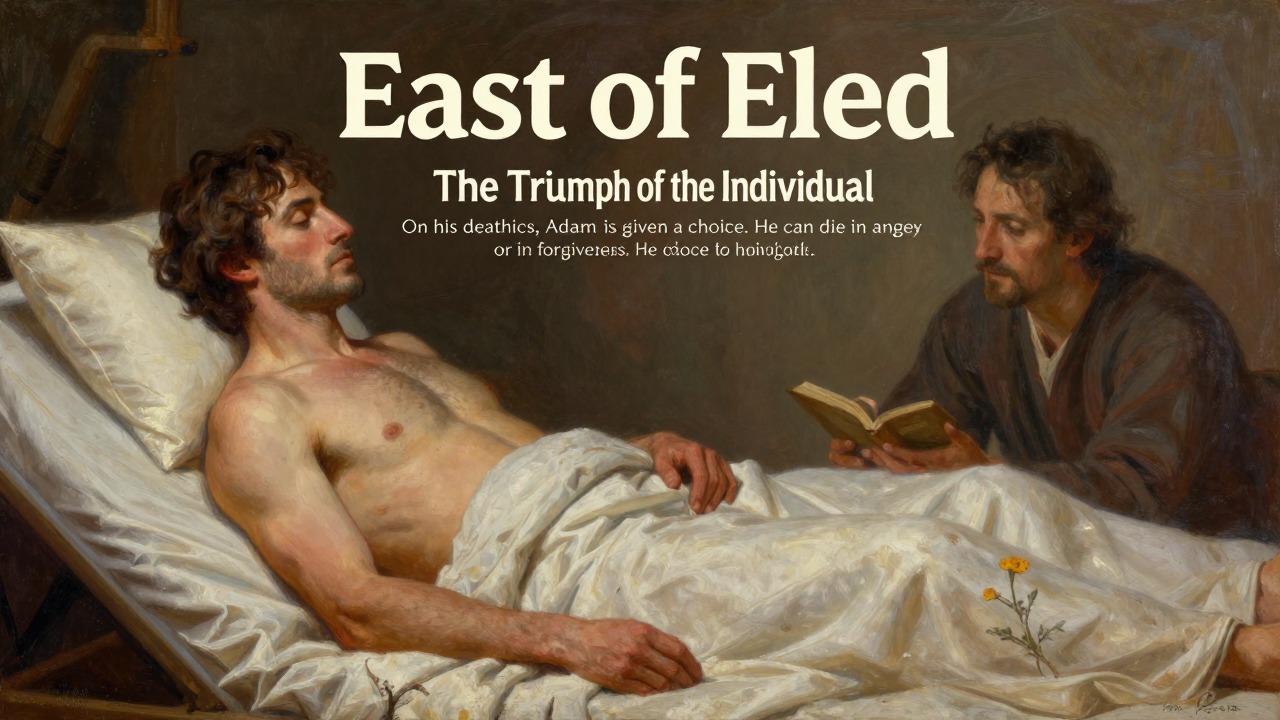
On his deathbed, Adam is given a choice. He can die in anger or in forgiveness. He chooses to bless Cal. This is an act of individual will.
The Word 'Timshel'
The word 'Timshel' embodies the power of the individual. It is a choice. It is not a command from God or society. It is a personal decision.
The Hope for the Future
Cal is given the same choice. He can choose to be good. The novel ends with the hope that the individual can triumph over the forces of conformity and guilt.
The novel's celebration of the individual mind, 1900-1918
Adam's experience in the army, 1880s
World War I and the pressure to conform, 1917-1918
Samuel's life as a non-conformist, 1870s-1911
Lee's experience of identity, 1900-1911
Adam's final act of choice, 1918
