San Francisco
East of EdenSan Francisco appears in East of Eden as a distant, magnetic city, a place of escape, commerce, and cultural encounter that stands in sharp contrast to the rural life of the Salinas Valley. It is a destination for those seeking release from provincial constraints, a site of intellectual and spiritual exploration, and a place where characters confront both the promise and the loneliness of a wider world. The city functions as a counterpoint to the valley, offering anonymity, opportunity, and a different kind of belonging.
A Place of Escape and Release
For Tom Hamilton, San Francisco is a place to escape the crushing weight of his own nature. After long periods of celibacy and self-punishment on the ranch, he would take a train to the city to "roll and wallow in women," then return silently, feeling weak and unfulfilled. The city provides an anonymous outlet for his violent and sexual impulses, a release valve for a man who cannot find peace at home. Similarly, after Samuel Hamilton's death, Tom goes directly from the funeral to San Francisco, where Will Hamilton suspects he is losing himself in alcohol. The city offers a temporary, if ultimately unsatisfying, escape from grief and self-loathing.
A Site of Intellectual and Cultural Encounter
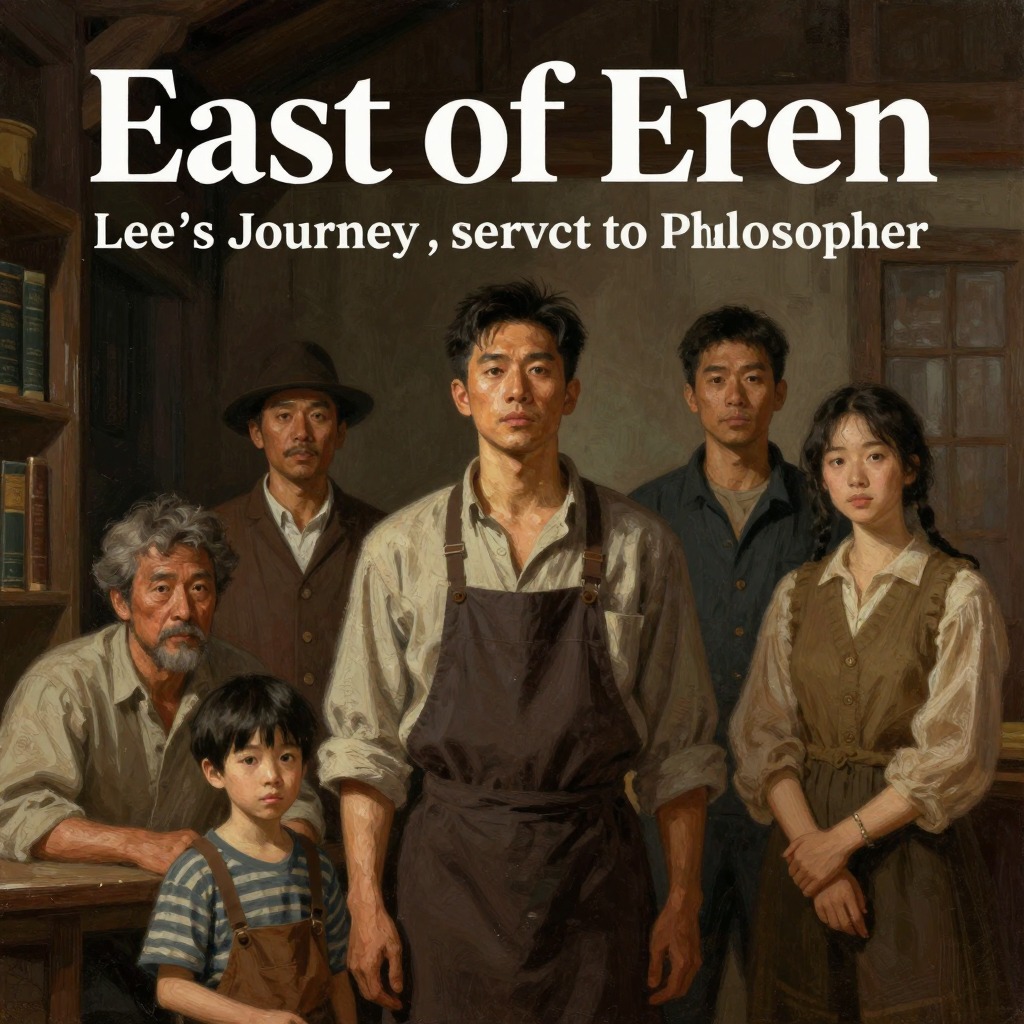
San Francisco is also a place of profound intellectual and cultural exchange. Lee, the Chinese servant who has raised the Trask twins, travels to the city to consult with the elders of his family association. There, in the headquarters of the Lee family, he meets with four ancient, reverend gentlemen who are great scholars. Together, they embark on a two-year study of Hebrew to resolve a single verb in the Cain and Abel story. The city becomes the setting for a remarkable cross-cultural collaboration: these Chinese sages engage a learned rabbi, study grammar and vocabulary, and eventually arrive at the translation "timshel"—"thou mayest"—which Lee later presents as the most important word in the world. San Francisco, in this episode, is not merely a backdrop but an active participant in the novel's central theological inquiry.
A Place of Ambition and Disappointment
For Olive Hamilton, San Francisco represents a longed-for metropolitan life. After her time in Salinas, where she experienced the niceties of living—choir, theater, parties, and the promise of an aromatic world outside—she marries and eventually moves to the city, living in an apartment with a white bearskin rug and smoking gold-tipped cigarettes. The city fulfills her desire for a life beyond the ranch, yet it also becomes a place of personal trial. When she wins a ride in an army airplane as a prize for selling Liberty bonds, the flight takes place at the Salinas Race Track, but the airplane itself is a product of the modern, urban world that San Francisco represents. Her terror in the air, and her subsequent two-day collapse, underscores the gap between the city's glamour and the reality of confronting its dangers.
A Destination for the Lost and the Searching
San Francisco is also a destination for those who have lost their way. After Lee leaves the Trask household to pursue his dream of opening a bookstore in Chinatown, he finds himself "incomparably, incredibly, overwhelmingly glad to be home" after only a few days. The city, for all its promise, cannot replace the family he has built in Salinas. His failed attempt to establish a new life there reveals that San Francisco, for all its allure, can be a place of profound loneliness. Similarly, Aron Trask, after learning the truth about his mother, does not go to San Francisco but enlists in the army, a choice that leads to his death. The city, for him, is not an escape but a place he never reaches.
A Symbol of the Modern World
San Francisco embodies the modern, commercial, and cosmopolitan world that is encroaching on the Salinas Valley. It is where Will Hamilton's business interests extend, where the British Purchasing Agency operates, and where the latest fashions and ideas originate. The city represents the future—a future that is both exciting and threatening. For the characters of East of Eden, San Francisco is a place of possibility, but also a place where the old certainties of the valley are tested and often found wanting. It is a city that offers both liberation and loss, a place where one can reinvent oneself or be destroyed by the very freedom it provides.