Willow tree pumphouse
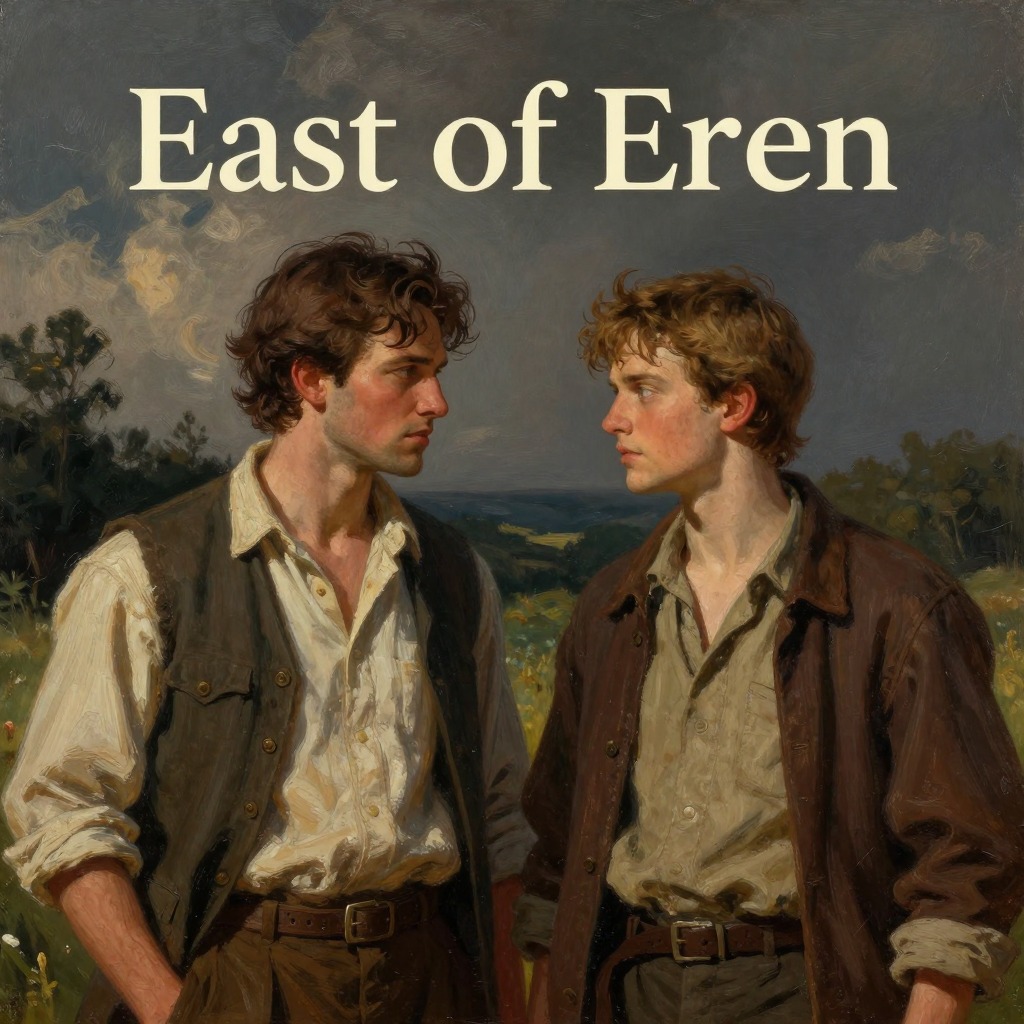
East of EdenThe Willow tree pumphouse stands on the edge of a hayfield just beyond the pavement where Salinas ends and the county road begins. A willow tree flourishes beside it, fed by the overspill of water, and its long skirts hang down nearly to the ground, forming a natural tent of leaves. Inside this shelter, the ground is protected and warm, and the afternoon sunlight comes yellow through the aging leaves. It is a place apart, a hidden room in the open air, where children can be unseen and unheard.
Aron and Abra's Secret Sanctuary
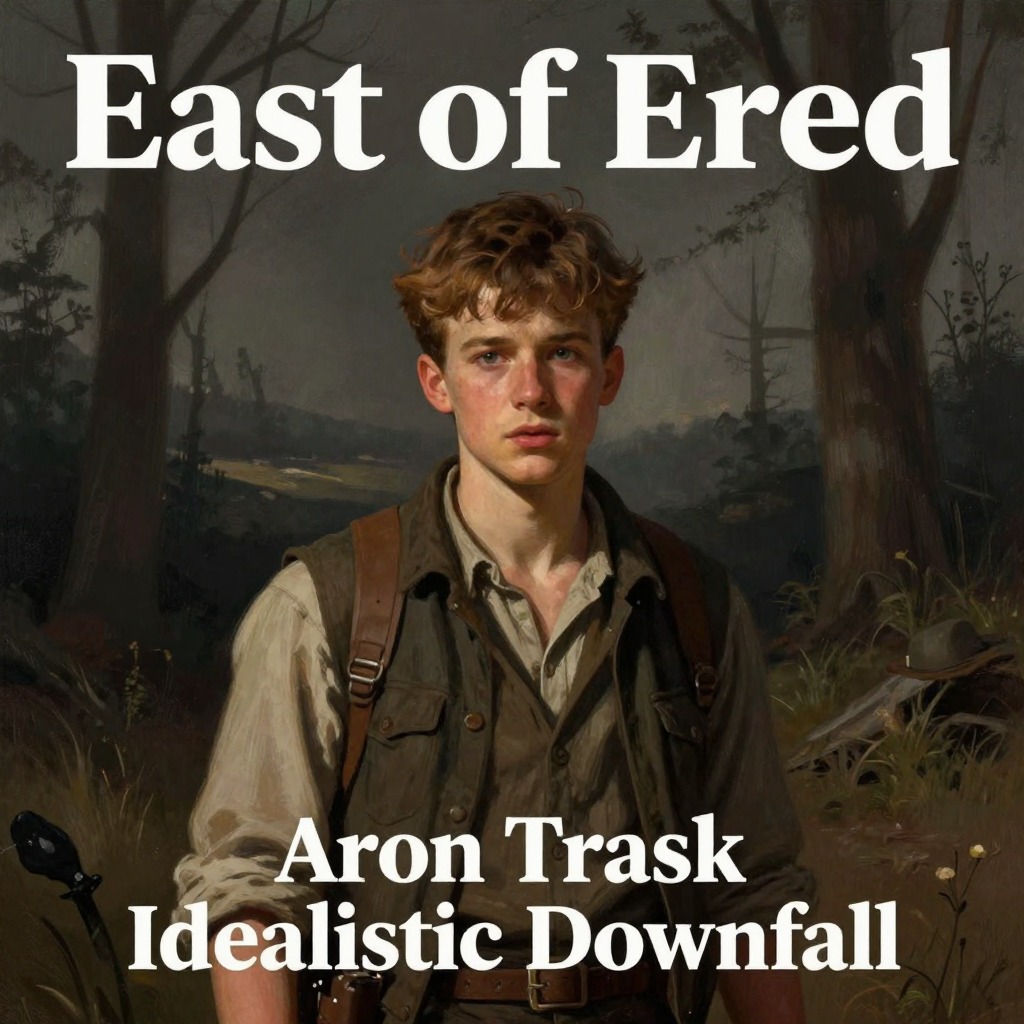
It is here that Aron Trask and Abra Bacon first establish their private world. On their first meeting, Abra parts the switches like a curtain and leads Aron into the house of leaves. She sits on the ground, her full skirts settling around her, and folds her hands almost as if she were praying. Aron sits beside her, and in this enclosed space they begin to practice the roles of husband and wife. Abra tells him, "This is a kind of a house. We can play like we live here while we're waiting. And you will be my husband and you can call me wife." Aron tries the word under his breath and then aloud: "Wife." The willow tree becomes the stage for their childhood engagement, a place where they rehearse a future together.
The Scene of Emotional Revelation
Within the willow tree's embrace, Aron experiences a profound emotional release. When Abra suggests he pretend she is his mother, she draws his head down into her lap and croons, "Come, my baby, put your head in Mother's lap." Without warning, Aron begins to cry and cannot stop. He weeps quietly while Abra strokes his cheek and wipes the flowing tears away with the edge of her skirt. The sun creeps down toward its setting place behind the Salinas River, and a bird sings wonderfully from the golden stubble of the field. It is as beautiful under the branches of the willow tree as anything in the world can be. This moment of vulnerability and comfort deepens their bond, but it also foreshadows Aron's lifelong longing for a mother he never knew.
The Willow Tree as a Site of Memory and Transformation
For Cal Trask, the willow tree becomes a symbol of what he was excluded from and what he has lost. He remembers the afternoons when Abra and Aron would part the branches and go inside, where no one could see them. He watched them from a distance. Later, after Aron has fled to the army and Adam Trask lies paralyzed from a stroke, Cal tries to take Abra back to the willow tree. He tells her, "I want you to go inside the willow tree with me. That's what I want to do." But Abra refuses, saying it is not right if he is running away. She insists they return to his father's house instead. The willow tree, once a place of innocent play and secret love, becomes a test of Cal's intentions and a boundary he cannot cross in the same way. It remains a fixed point in the landscape of memory, a reminder of the childhood story that ended when Aron could not bear the truth about his mother.
Narrative Significance
The willow tree pumphouse functions as a recurring spatial symbol of innocence, secrecy, and the idealized past. It is the setting where Aron and Abra's relationship is forged in childhood play and where Aron's hidden grief over his absent mother surfaces. For Cal, it represents the love and acceptance he envied and the brother he helped destroy. The tree's sheltering branches, which once concealed joy, later hold the weight of what cannot be reclaimed. Its presence in the novel anchors the emotional geography of the Trask family's life in Salinas, marking the boundary between the world of childhood make-believe and the irreversible losses of adulthood.