
Faith Without Certainty
East of the MountainsBen's religious questions and encounters with faith do not produce proof, but they alter how he understands death and care.
increasing Bearing strength in each event
 decreasing
Bearing strength in each eventdecreasingLenora's Presbyterian Faith
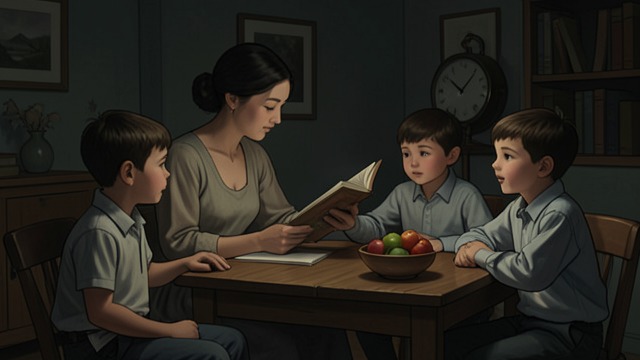
Lenora's Presbyterian Faith
A household of belief
Lenora teaches her sons scripture and interprets work as a way to serve God. Her faith is both intellectual conviction and daily discipline.
Work as design
She believes each person has a particular task through which self-knowledge and love of God can develop. Ben grows up with a moral framework centered on useful action.
Faith inherited imperfectly
Ben never entirely rejects belief, but later questions what can be known about death. His mother's convictions remain a reference point rather than a settled answer.
The Mother's Fear
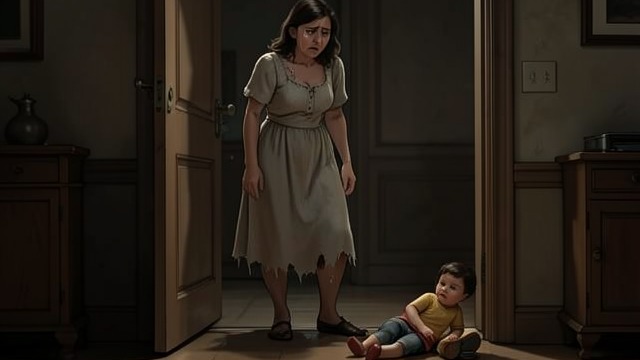
The Mother's Fear
Belief and pain
Lenora says she believes in God but is afraid of the pain of dying. Her honesty unsettles Ben, who has never heard her speak so vulnerably.
An unfinished life
She grieves that she will not see her sons become men or learn what they will do. Her concern turns faith toward the value of life still to be lived.
A lesson carried forward
Ben later faces the same fear of suffering in his own illness. His mother's words make clear that belief does not eliminate fear.
The Stranger's Spiritual Philosophy
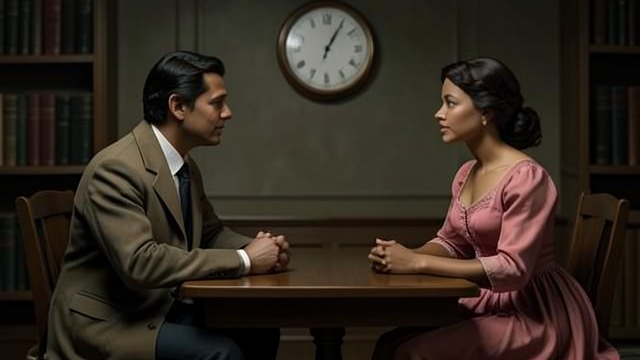
The Stranger's Spiritual Philosophy
A conversation begins
Ben speaks with Catherine Donnelly about The Philosophy of Freedom and anthroposophy. She describes training consciousness to perceive a spiritual dimension.
Skepticism and belief
Ben asks how anyone can know such a realm exists. Catherine argues that belief requires more than intellectual proof.
A shared uncertainty
Their exchange reveals Ben's fear of death and Catherine's confidence that she is not afraid. Neither establishes what happens after death, but the conversation makes the question personal.
Angels in the Bus Station
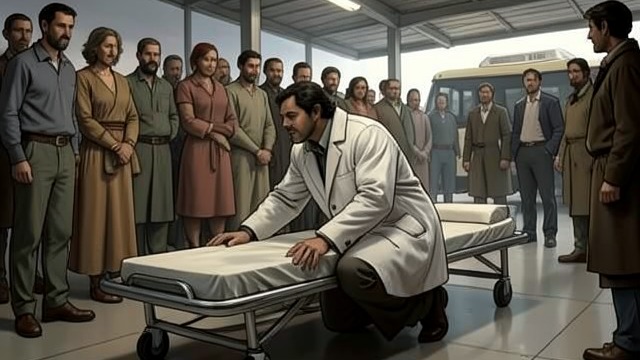
Angels in the Bus Station
A frightened family
Angel's brother says that God will help them as Angel grows sicker. The statement expresses faith where their choices feel constrained.
Ben as helper
Catherine calls Ben a generous man and an angel of God while trying to reassure the workers. Ben does not claim spiritual status; he acts as a doctor.
Meaning after action
The ambulance arrives, but the deeper conflict remains uncertain. The scene lets religious language coexist with practical medical intervention.
A Miracle Without Proof
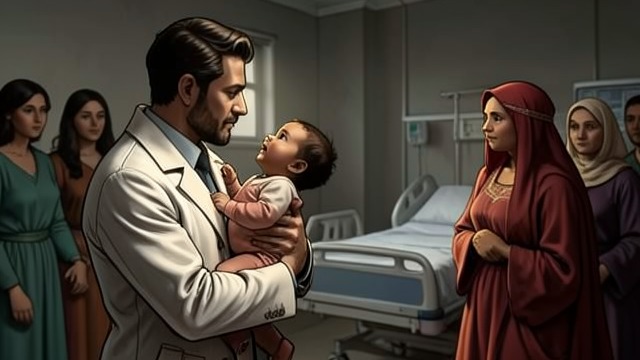
A Miracle Without Proof
A child in danger
Doris's baby is trapped and initially blue, and Ben has no guarantee that his intervention will work. The birth unfolds at the edge of his expertise.
A living response
The baby begins to breathe and cry after Ben frees her shoulder and stimulates her. The family calls the survival a miracle.
Faith and medicine together
Ben offers practical care while those around him interpret the outcome through faith. The event does not prove an afterlife, but it renews his attachment to life.
Ben's childhood at home
During Lenora's final illness
On the bus toward Wenatchee
During Angel's emergency in Wenatchee
At the birth in the migrant camp
