Ben Givens
East of the MountainsBen Givens is a retired heart surgeon confronting a terminal cancer diagnosis and the limits of the medical knowledge that once defined his working life. At first, he treats his expected decline as a problem to escape; as the story unfolds, his work as a doctor reappears in acts of care that complicate his plan and help turn him back toward living.
Identity and Background
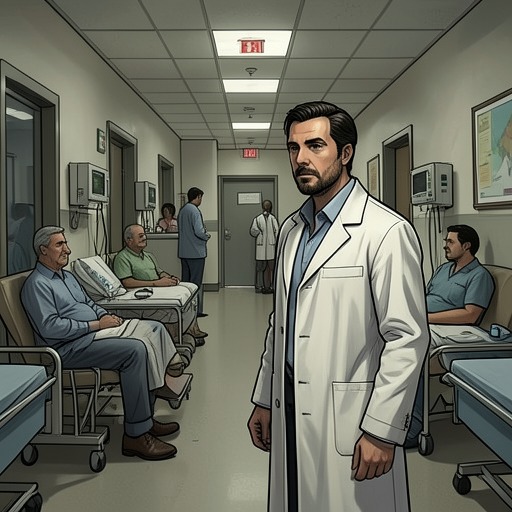
For years, Ben practiced as a heart surgeon specializing in bypass operations. Colleagues admired his steady hands, precision, endurance, concentration, and composure in the operating room. He had believed strongly in medicine and resisted accepting its limits, meeting the frailties of patients’ hearts with the focused attention of a surgeon. Yet his professional detachment also served as protection: he treated the practical questions as his responsibility and the larger mysteries of life and death as beyond his control. That balance changes when illness makes mortality personal rather than something encountered across an operating table.
At seventy-three, Ben is a broad-shouldered, weathered man whose physical strength has diminished with age and illness. He has spent much of his life climbing mountains and hiking through every season, including winter journeys into remote canyons. After his wife, Rachel Givens, died, he retired from surgery and, following a long break from the activity, returned to hunting birds. The hunt gives shape to time left unfilled by work and bereavement, but it also becomes entangled with the decision he has made about his own death.
Ben understands the prognosis with unusual clarity because he is a physician who knows how cancer progresses. Told that he has months to live, he anticipates suffering and sees no treatment as capable of stopping his death. His conclusion is that he should end his life before the disease takes its course. The decision grows from knowledge, but it also exposes what that knowledge cannot settle: whether avoiding future pain is the only meaningful response to a finite life.
The Hunting Journey and Its Reversal
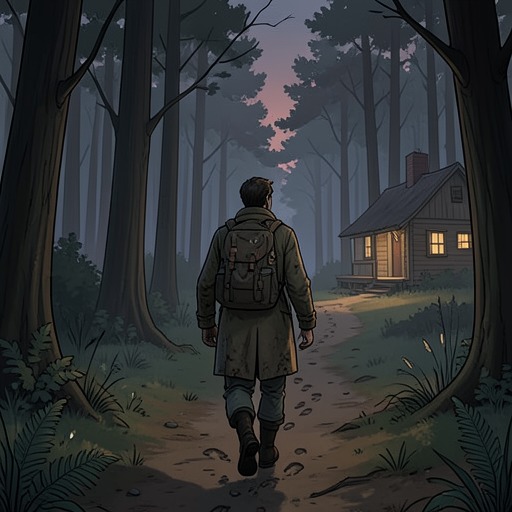
Ben arranges his departure to look like an ordinary, extended hunting trip, gathering enough clothes and supplies for six days. Beneath that preparation, however, is his intention to die at the end of the outing. He has tried to make his plan appear consistent with a hunter lost in remote country, but the deception troubles him: it would leave Rex and Tristan without him, and he cannot be sure they would survive on their own. His thoughts about the dogs expose a conflict that his practical preparations cannot resolve. He has planned his own disappearance, yet still feels responsible for the lives that depend on him.
The hunt does not provide the ending he has imagined. After shooting birds in the Columbia River breaks, Ben studies one he has taken and recognizes how poorly his chosen last act fits the life he has lived as a doctor, husband, and father. He sees the decision to die not as a settled expression of his character but as something at odds with it. The recognition does not erase his cancer or his fear of suffering; it unsettles the claim that either the hunt or suicide can give his life a fitting conclusion.
The danger to his dogs soon turns that inward crisis into immediate responsibility. Cold, exhausted, and impaired, Ben hears hounds approaching and tries to keep Rex and Tristan close, but they bolt after a coyote. Later, when a rider leaves Rex seriously injured, Ben turns from the threat and attends to the dog. At the veterinary clinic, he tells the veterinarian that he was a doctor and retired after working in Seattle. When she needs help treating Rex, he takes off his field jacket, washes his hands, and assists with the operation, administering an antibiotic and evaluating the work. The scene brings his former professional identity back into action: at a moment when he expected to be dead, he is once again using his medical skill to care for another life.
Medicine in Transit
Ben’s medical identity resurfaces beyond the veterinary clinic, this time in the crowded world of a bus journey. On the Greyhound, he encounters Catherine Donnelly and several young orchard pickers, one of whom has been ill for weeks and is now coughing badly. Ben listens to the account of the young man’s symptoms but is careful about the limits of what he can conclude: he considers tuberculosis or pneumonia, while acknowledging that viral, fungal, and bacterial illnesses could also explain the condition. He has no stethoscope or medical equipment with him and cannot offer treatment. His judgment is not a definitive diagnosis but a recognition that the young man needs a clinic or hospital as soon as they reach Wenatchee.
When the sick passenger coughs up blood at the bus station at First and Chelan, Ben acts on that distinction between uncertainty and urgency. He calls the emergency operator, identifies himself as a doctor and thoracic surgeon, and explains that the young man needs immediate assistance. The operator asks about the patient’s symptoms, Ben’s credentials, and the journey from Quincy; an ambulance arrives three minutes later. Ben then directs the emergency technicians to the patient and gives them his concern about tuberculosis and the need for a hospital workup. He cannot provide care alone, but he can make the danger legible to others and bring help to the scene.
The episode extends Ben’s renewed practice of medicine from the operating room to improvised settings where he has neither authority over the circumstances nor the tools he once commanded. In the clinic, his hands had assisted a veterinarian with Rex; on the bus, his role is to listen, distinguish suspicion from certainty, and secure emergency care. The contrast matters: professional knowledge does not make him omnipotent, but it remains useful when he accepts its limits and acts within them.
Choosing Life and Returning Home
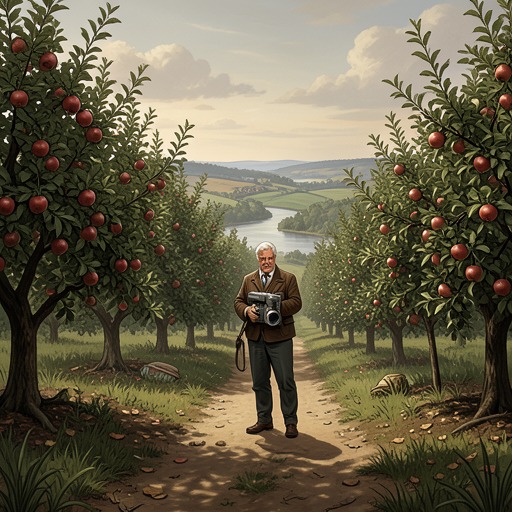
Ben’s decision begins to change not through a cure or a new prognosis, but in a pause beside the Stemilt Hill Community Church. Too ill to continue driving, he gets out and lies in the grass among cherry trees, trying to endure the nausea and pain. As he attends to his breathing and the steady beat of his heart, the world he had regarded as a prelude to death becomes something he wants to keep: the orchard in midautumn, the river country, and the life still present around him. His illness remains real and dangerous, but his attention turns from the anticipated end toward the particular things he would lose.
That renewed attachment to life does not make Ben withdraw from other people’s needs. When he encounters Doris in obstructed labor, he has not attended a delivery since his internship in obstetrics forty-four years earlier; he spent six weeks assisting with births in 1954. His first response is to call for an ambulance and urge hospital care. As the labor advances, however, he must use the knowledge he still has, carefully helping release the baby’s trapped arm and shoulder. A girl is born, and Ben holds her, trembling, and tells the family she is beautiful. The scene returns him to medicine in a form far removed from the controlled operating room: his experience is incomplete and old, yet it enables him to act when another life depends on immediate help.
Later, when Bea asks what changed his mind, Ben answers, "Cowardice, mainly. Try shooting yourself. It isn't easy." The blunt explanation does not undo the change the story has shown: he has encountered the difficulty of dying, but also recovered a desire for the world and repeatedly taken responsibility for living beings in front of him. He returns home with blood on his coat and feathers in his pockets. Rex limps into the bedroom and settles beside the bed; Ben rests a hand on the dog’s flank and allows him to stay. Then he calls his daughter, Renee Givens-Kane, and tells her, "I'm home." The return is modest, but it marks a decisive reversal: instead of carrying out his plan alone in the sagelands, Ben re-enters the relations and obligations that had shaped his life.