Bill Stackhouse
East of the MountainsBill Stackhouse is Ben Givens’s fellow soldier in the 10th Mountain Division and one of the ammunition bearers assigned to support Ben’s Browning automatic rifle. His near-fatal wounds in Italy bring Ben into an urgent effort to save him; his survival, and the life he goes on to lead, become a lasting point of connection between the two men and a counterweight to the losses that mark Ben’s war.
Identity and Military Role
During training, Ben is transferred to N Company and placed in a rifle platoon carrying a Browning automatic rifle. Stackhouse and Kelly Lastenpole are assigned as his ammunition bearers, responsible for hauling the extra clips the weapon requires. The arrangement makes Stackhouse part of the work that sustains Ben’s weapon in the field: the rifleman’s firepower depends on the men carrying its ammunition. Ben himself struggles under the combined weight of the gun, his field pack, and his extra clips in the snow, establishing the physical demands of the role before the unit reaches combat.
On the eve of an assault in Italy, the platoon is preparing to move toward Della Torraccia and dig in for the night. Kelly sits beside Ben as the light fades, and when Ben asks whether he has seen Stackhouse, Kelly indicates that Stackhouse is farther back. The brief exchange places Stackhouse within the platoon’s immediate circle while also registering his absence from that moment beside Ben. It does not explain why he is behind them; the account next brings him into view through the consequences of the fighting.
Wounding and Rescue
After the unit’s engagement, Ben finds Stackhouse badly wounded, with injuries to his hip and shoulder. Ben opens Stackhouse’s field jacket and clothing to assess the wounds, apologizes, and calls for litter bearers. The scene sharply changes the meaning of their earlier military arrangement: the man who had carried ammunition for Ben now depends on Ben and the others to get him to care. Ben’s response is immediate and practical, but his apology also makes clear that the injury has become personal to him.
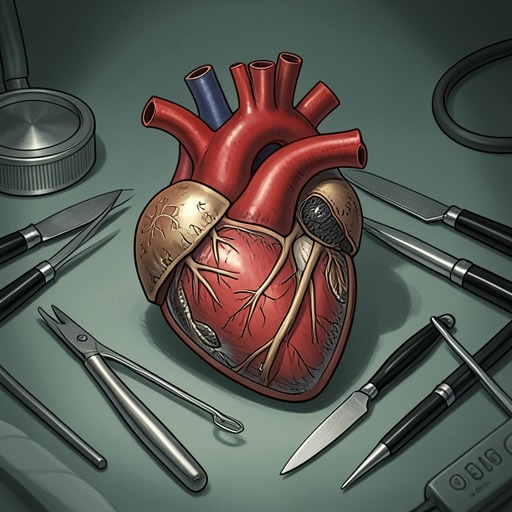
Stackhouse is taken to an improvised surgical setting in an Italian farmhouse. His heart stops, and the surgeon works to restore its beating while the surrounding soldiers assist. Ben follows the surgeon’s commands, including helping with the emergency procedure. Stackhouse’s heart begins beating again irregularly and then settles into a rapid, regular rhythm; the surgeon checks his pulse and blood pressure and orders further medication. The precarious turn from apparent death toward renewed circulation makes Stackhouse’s survival uncertain even as the medical team continues working.
The rescue requires sustained effort from several people rather than a single dramatic intervention. The surgeon keeps working, a sergeant continues ventilating Stackhouse, and Ben carries out instructions during the procedure. Once Stackhouse’s heart has resumed beating, the team still has to manage the immediate danger of his condition. The scene presents survival as a collective achievement: the rifleman’s former support system of bearer, medic, technician, and surgeon is transformed into a chain of care organized around keeping him alive.
Blood, Survival, and the Aftermath of Battle
Ben gives two pints of blood for Stackhouse’s transfusion. He sits dazed as the technician disconnects the plasma line and begins the transfusion, while another wounded soldier is brought in. Ben does not look at the new arrival; after the strain of Stackhouse’s resuscitation and his own blood donation, he cradles his head in his hands. Father Carr, the Third Battalion chaplain, offers consolation, though he too seems at a loss. Ben then leaves with other men, moving down the hill and away from the immediate scene.
Ben remains in the rear for three days before being returned to the line. The episode leaves an enduring mark on him: at the time, he avoids speaking to the replacement recruits, preferring not to know them because they might soon be lost. Stackhouse, by contrast, survives the battle and the war. His recovery does not erase the severity of what happened, but it gives the rescue a future beyond the farmhouse and its improvised surgery.
Later Life and Shared Memory
Years later, Ben recalls that Stackhouse came away from the ordeal with a limp and a shoulder that ached in cold weather. Stackhouse retired from a sales position at an office-supply company in Bethlehem, Pennsylvania, and had eleven grandchildren. Over the years he sent Ben photographs of them with letters. The details make his survival legible not only as a medical outcome but as a long life filled with family ties and ordinary continuities that the wounded soldier in Italy could not have been certain of reaching.
Ben and Stackhouse met three times at reunions of the 10th Mountain Division and spoke at length about what had happened. Stackhouse was slowly writing his memoirs so that his descendants would know the story too. His writing turns an event shared by a small group of soldiers into an account meant to pass beyond them. The repeated act of remembering binds the two veterans: Ben carries the rescue as a defining memory, while Stackhouse works to preserve it for a later generation.
Narrative Significance
Stackhouse’s story connects battlefield medicine to the consequences that persist after combat. The emergency around his heart is a concrete instance of Ben’s medical knowledge being used under wartime pressure, but the aftermath is measured in a different register: a limp, pain in cold weather, letters, family photographs, reunions, and a memoir in progress. Those later details refuse to let the scene end with the moment his heart beats again.
For Ben, Stackhouse’s survival remains a miracle he can remember decades afterward, yet the memory sits beside a much broader and more troubling knowledge of the human heart. Ben thinks of Stackhouse’s case while considering the heart both as a living muscle and as the symbol people make of love, grief, and other feelings. Stackhouse’s continued life gives that reflection a human particularity: the heart that was once exposed to the danger of failing belongs to a man who went on to write, correspond, and become a grandfather. His memoir project also answers, in its own modest way, the silence that follows trauma by making the shared event available to those who were not there.