Physician–patient confidentiality
East of the MountainsPhysician–patient confidentiality is a professional boundary that shapes what Bill Ward may disclose about Ben Givens’s terminal cancer. The novel presents it not as an absolute silence in every circumstance, but as a duty Bill expects to maintain unless an official or insurance inquiry requires otherwise; alongside it, Ben’s own concealment of his diagnosis from his family shows the difference between a physician’s obligation and a patient’s private decision.
The Rule and Its Limits
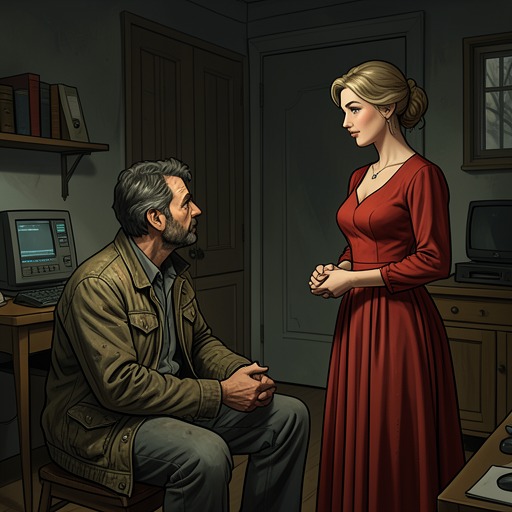
Bill Ward is the only doctor Ben expects might suspect that his planned death is suicide. Even then, Ben thinks Bill would not be certain: the circumstances have been arranged to support the appearance of a hunting accident. Ben also understands that Bill would not want to hurt anyone by suggesting suicide. The explicit professional boundary is that, absent an obligation arising from a coroner’s inquest or an insurance agent’s inquiry, Bill would keep Ben’s cancer to himself. Confidentiality therefore protects the diagnosis while leaving a defined possibility of disclosure under external scrutiny.
Ben’s Choice to Keep His Diagnosis Private
Ben’s silence toward his family is not the same rule applied by Bill. The evening before leaving, Ben eats with Renee and Chris and presents his trip as an ordinary quail hunt, giving a flexible return date so they will not immediately search for him. He believes that telling them about his terminal colon cancer would bring its distress into their lives while they are still emerging from the grief of Rachel’s death. The concealment is part of his plan to die alone in the sage country, not an act of professional confidentiality.
His decision rests on a physician’s knowledge of what he expects from the disease. He knows the cancer has spread from his colon to nearby lymph nodes and his liver, and imagines the severe decline that may follow. That knowledge gives his private plan its medical context, but it does not turn his silence into Bill’s duty: Ben chooses what to tell his family, while Bill’s silence is framed as a professional protocol.
Medical Knowledge, Privacy, and Care
The distinction matters because Ben’s identity as a physician has accustomed him to confronting illness while remaining partly removed from its personal cost. His own diagnosis makes the limits of that stance immediate: he recognizes the force of the prognosis and fears the suffering ahead, yet withholds the news from those closest to him. The confidentiality boundary around his diagnosis thus sits beside a more intimate silence of his own making.
The rule is presented through Ben’s understanding of what Bill would do, rather than through a formal explanation of medical law or a scene in which a disclosure is demanded. Its limits are concrete, however: ordinary concern or suspicion does not, in Ben’s account, release Bill from keeping the cancer private, whereas a coroner’s inquest or insurance inquiry could oblige him to speak. The result is a narrow but consequential protection of medical information at the moment Ben is arranging for his family not to know why he may never return.