Rachel Givens
East of the MountainsRachel Givens, born Rachel Lake, enters Ben Givens’s life as a young woman who comes west from Waterville, Maine, and joins the cherry harvest at the Givens orchard. Their relationship grows from that brief season of work into a marriage marked in Ben’s memories by shared travel, physical intimacy, and a promise about roses. After Rachel’s death, that promise remains a bond between them: Ben preserves her ashes in the hope that they may one day nourish the roses they imagined together.
Arrival at the Orchard and Departure West
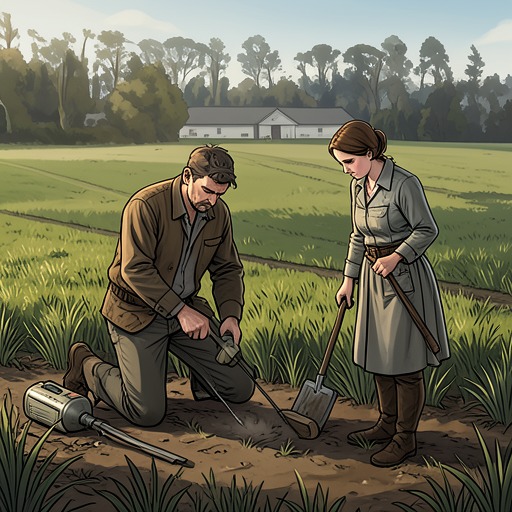
The cherries ripen early in June, and Wright Givens sets June 11 as the first day of harvest. At first light, the pickers assemble by the siding: Ben, his father, nine migrant workers, the Emery family and its four young children, and Mrs. Emery’s niece, Rachel Lake, who has come to stay for the harvest. She is not fully equipped for orchard work, so she wears Mrs. Emery’s oversized denim pants and flannel shirt. The clothes make her a distinctive presence in the rows: she cinches the pants with Manila twine, ties the back belt loops together, and climbs a ladder to reach the fruit.
Rachel’s time in the orchard coincides with the beginning of her relationship with Ben. The work gives their meeting a concrete setting: beneath the trees, the harvest proceeds around them, with fruit striking the buckets and pickers moving along the rows. But the orchard is not the limit of Rachel’s plans. She saves money for train fare and travels west with her belongings in a battered leather grip, sleeping curled on a wooden bench as the unfamiliar landscape passes. On the journey she comes to regard nursing as worthwhile work, not merely a way to leave Waterville, and begins to look forward to training in San Francisco.
Her train journey carries her through successive stages of uncertainty and discovery. She accepts a soldier’s invitation to lunch, though nothing comes of it; later, she shares gin with two girls who have heard there is work in Seattle and becomes sick in the train’s toilet stall. After sleeping, she wakes as the train crosses the Rocky Mountains. When it descends from the wheat plateau into river country and she sees apple orchards in spring bloom, she feels no regret about leaving or desire to be elsewhere. She believes a better life is beginning.
Before she leaves, Rachel and Ben stand knee-deep in the river and embrace in the current. Her uncle’s car waits idling in the yard. They kiss among the orchard rows, and Rachel promises to write from San Francisco, leaving Ben the telephone number of her dormitory. Her firm farewell asks him to wish her luck; he does. The scene joins affection to separation: Rachel leaves not because their attachment has ended, but to pursue nursing training and a life beyond the orchard.
Marriage and Shared Memories
Ben’s later recollections place Rachel in a life far beyond that first harvest. He remembers their travels in Italy, including the train from Mantua to Bressanone and the mountain country of the Dolomites. On one excursion they take the high trail from Vigo di Fassa to Ciampedie to see the setting sun illuminate the Torre di Vaiolet spires. They travel onward through places including Falzarego and Lagazuoi, and reach the Refugio Scotoni at dusk. They have been married only ten days. In Ben’s recollection, the mountain setting is inseparable from Rachel’s presence: its scent and quiet return to him through details of her shoulder blades, throat, and hair.
Their Italian journey also includes a stay at the Hotel Monte Sella in San Vigilio de Marebbe. Ben remembers the hotel’s rough pine doors and iron grilles, corridors painted to resemble marble, and a pastoral scene in the vestibule. He recalls the headwaiter’s bell, meals, card games in the lounge, and the hotel’s grappa and slightly bitter house wine. These particulars give the memory its domestic texture: the marriage is remembered not only through grand views but through meals, rooms, and shared routines.
One of Ben’s most intimate memories is of bathing with Rachel in a claw-foot tub while moonlight lay over the mountains and village bells sounded in the clean night air. His recollection lingers on small, particular details of her body and touch, and on the feeling that the rest of the world had fallen away. The scene presents their closeness as attentive and unhurried, a shared intimacy in which time seems arrested. It is one of the memories that returns to Ben when the present intrudes on his attention.
The Rose Promise
The promise of roses links Rachel and Ben’s shared past to the future they imagined beyond their deaths. On the train from Mantua, they speak of red and white roses becoming one bush of pink. Rachel names the colors—red and white—and Ben agrees. The image is more than a passing exchange: they retain it as they grow older, even when they are amused by the romantic vow they made as young lovers.
Rachel recalls the promise shortly before her death. Two hours before her surgery, she tells Ben to remember that he is red and she is white. Her words make clear that the image has remained theirs, not merely Ben’s later invention or recollection. The promise gives their life together a continuing form: the separate colors are meant to grow and intertwine over many years, making a single living thing from what was distinct.
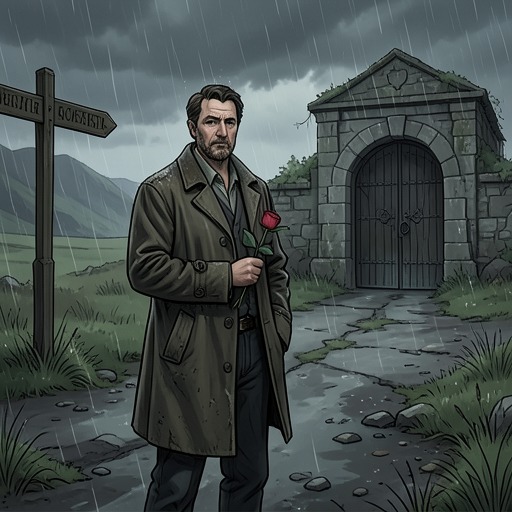
After Rachel dies, Ben preserves her ashes in the hope that their remains may someday provide a bed for the roses. The promise becomes especially consequential as Ben plans to die in the sage lands. He imagines that suicide would prevent its fulfillment, and pictures his own bones scattered by coyotes instead of joined with Rachel’s in the hoped-for planting. Her absence is therefore present in his immediate decisions: the remembered promise makes the cost of abandoning his life tangible.
Death, Memory, and Narrative Significance
Rachel’s story is conveyed substantially through Ben’s memories, which move between the practical details of their first meeting, the sensual and domestic scenes of their marriage, and the promise they carry into old age. The shifts in time show how the past persists in the present: a moment in a bathroom mirror brings back the vow about ashes, while a pause during Ben’s ordeal restores the Italian journey and the days just after their marriage. Rachel is absent from the present action, but remains central to its emotional and moral stakes.
Her significance rests partly in the contrast between departure and enduring attachment. As a young woman, she leaves the orchard for nursing training and a future she believes is opening; later, the couple’s vow imagines a shared future extending even beyond death. Rachel’s final reminder of the red and white roses gives that imagined future renewed force. Through the promise, Ben’s grief is attached to a specific hope—and his contemplated death becomes not only an end to suffering, but a possible abandonment of the bond he and Rachel deliberately kept alive.