Renee
East of the MountainsRenee is Ben Givens’s daughter, a screenwriter and mother whose family life becomes central to the deception Ben maintains while facing terminal cancer. At their last dinner before his departure, she takes part in the ordinary family conversation he carefully stages to conceal his plans. Later, when Ben calls from Quincy, her questions and concern bring his hidden crisis into the open: she learns of his accident and the death of Tristan, and urges him to return home rather than continue his journey.
Identity and Family
Renee is fifty and, in Ben’s view, possesses a durable, quiet beauty. She is a screenwriter for children’s films and has written two highly respected scripts, but she is reticent about her work, a reserve the narrative associates with her native modesty. When Ben encourages her to talk about her writing, she tends to redirect the conversation rather than dwell on her accomplishments.
She is married to John, who is away on a business trip during the dinner Ben later recalls. Her daughter Emma has married a man from Wellington, New Zealand, and is rarely seen in Seattle. Renee’s son Chris is in his third year of medical school. He has begun clinical work, seeing patients to practice asking questions and making diagnoses, and tells Ben that he finds this more interesting than laboratory work. The family details place Renee within a close but dispersed household: John is travelling, Emma is far away, and Chris is advancing into a medical career.
The Dinner Before Ben’s Departure
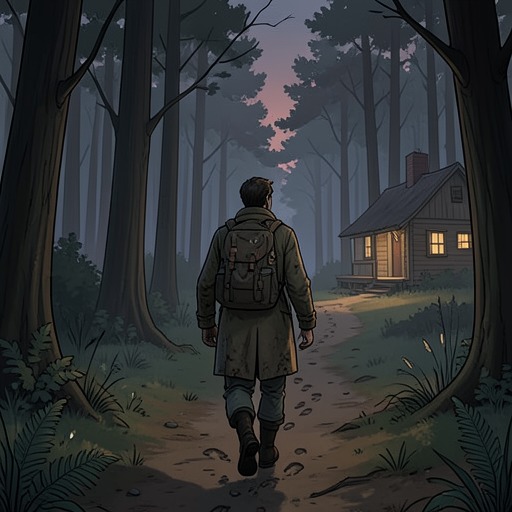
Ben visits Renee and Chris the evening before setting out, eating dinner with them while pretending that everything is ordinary. He says he is going over the mountains to hunt quail in willow canyons, without naming a particular destination, and gives an uncertain return date: Thursday, or perhaps Friday or Saturday if the hunting is good. The open-ended explanation is part of his plan to delay their concern while he hides the severity of his illness and his intended disappearance.
At the table, Ben observes Renee’s quiet manner and turns the conversation toward her work, but she deflects it toward Chris and his medical training. Chris’s mention that they have not climbed together since August prompts him to suggest another climb. The exchange gives the dinner a recognizable family rhythm, even as Ben privately treats it as a performance. His attention to Renee and Chris makes the gap between their ordinary conversation and his concealed purpose especially sharp: they are together, but they do not know what he is preparing to do.
What Ben Imagines Renee Will Discover
After the accident and the loss of Tristan, Ben considers how Renee might reconstruct his last days if he died away from home. He imagines her reviewing his credit-card records and finding that his car was towed from North Bend on Saturday, October 17, followed by a motel stay in Quincy the next day. Those records would raise questions about how he had travelled between places and what had happened to his dogs.
In Ben’s imagined account, Renee would contact the Grant County coroner and sheriff, and the person who had towed his car. She might hear from Ilse Peterson about the wolfhound attack, Tristan’s death, and Rex’s recovery; she might also want to visit the place where Ben became entangled in barbed wire or speak with William Harden. Ben pictures these fragments troubling her because they would not readily form a coherent explanation. He also anticipates that the sheriff might become involved and that suspicion could fall on Harden. These are possibilities Ben projects onto Renee, not actions the evidence establishes that she actually takes.
The imagined investigation exposes the consequences of Ben’s secrecy. He fears that Renee will piece together the circumstances of his disappearance without understanding why he went, while the truth of his cancer may eventually emerge. His concern for what she will have to uncover sits alongside his determination not to tell her directly. The call he eventually makes therefore marks a change in what he is willing to disclose, even though he continues to withhold the full extent of his intentions.
The Call from Quincy
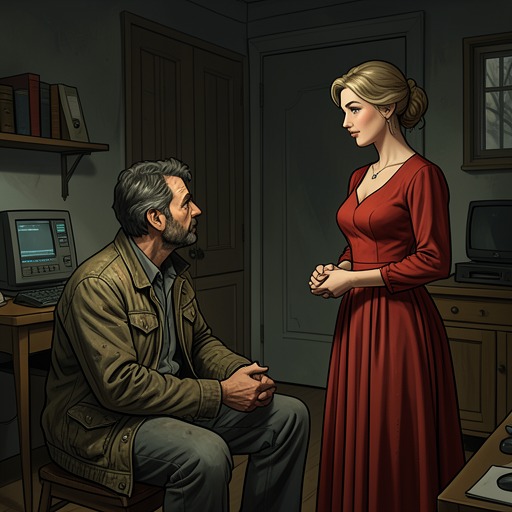
When Ben finally calls Renee, she is working on a screenplay. She knows he has been hunting because Chris has told her that Ben called, and she initially asks about the apparent trip. Ben tells her that he crashed his car at Snoqualmie Pass on Saturday morning, adding that he is fine and was not injured. He also tells her that Harden’s dogs attacked his dogs and that he found Tristan dead. Renee responds with alarm and sympathy, recognizing the loss as terrible.
As the conversation continues, Renee asks what Ben plans to do. He says he does not know, that he is already so far into the situation that he sees no reason to stop, and that he intends to wander and look for blue grouse. She considers this course irrational and urges him to go home and rest. Her response offers a direct counter to the momentum Ben describes: where he frames continuation as the default because he has already gone so far, she points him toward home and recovery.
Narrative Role
Renee matters both as a person Ben loves and as the imagined reader of the clues his absence would leave behind. The dinner scene shows how his plan depends on her accepting an ordinary explanation; his later speculation turns her into the person who might patiently assemble scattered records, witnesses, and events. That imagined competence intensifies the moral cost of his concealment, because he recognizes that the story he leaves her could produce confusion and suspicion as well as grief.
The phone call partly interrupts that design. Renee learns about the crash and Tristan, and her questions draw Ben into describing what he intends to do next. She does not simply receive his account without response: she challenges his plan and tells him to return home. The evidence does not show that this conversation resolves his crisis, but it establishes Renee as a steady family connection who can recognize that his choices are alarming and ask him to stop. Her practical concern stands against the secrecy and isolation Ben has constructed around himself.