
Punishment and Retribution
EileenThis thread follows the novel’s competing ideas of justice, from Moorehead’s disciplinary punishment to Rebecca’s improvised retribution.
increasing Bearing strength in each event
 decreasing
Bearing strength in each eventdecreasingPunishment as Reform
Punishment as Reform
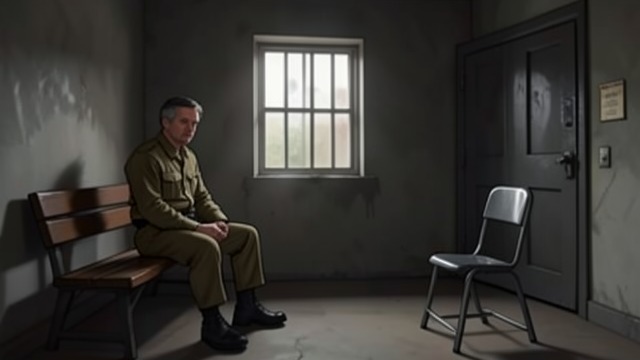
The Institution’s Claim
Moorehead presents discipline as a route to remorse and improvement. Its rules restrict movement, touch, speech, and ordinary comforts in the name of reform.
Despair as Method
The institution expects deprivation to make boys pliable. This logic treats suffering as a tool rather than asking whether punishment repairs harm or simply reproduces it.
A Boy in the Cave

A Boy in the Cave
Discipline Without Context
Leonard is confined in the Cave for inappropriate touching, while the adults’ understanding of his circumstances remains limited. The punishment isolates him without addressing the story behind his behavior.
Justice Reversed
The institution responds to a child’s conduct while failing to uncover the abuse he has suffered. Its certainty about discipline contrasts with its ignorance about harm.
Rebecca’s Retribution

Rebecca’s Retribution
A Moral Account
Rebecca distinguishes punishment from retribution and argues that Mitch deserved consequences for abusing Leonard. She sees herself as correcting a failure of the official system.
Private Authority
By confining Rita and demanding a confession, Rebecca assumes the power to judge and impose consequences. Her opposition to institutional punishment becomes another unaccountable form of coercion.
Eileen’s Proposed Sentence

Eileen’s Proposed Sentence
A Violent Solution
Eileen proposes killing Rita and leaving the gun with Charlie, imagining that the crime might force her father into care and free herself from X-ville. She presents death as a solution to several problems at once.
Justice as Instrument
Her plan is driven by desperation and self-interest, not a stable principle of justice. Rita becomes a means to redirect blame and make escape unavoidable.
The Limits of Retribution

The Limits of Retribution
The Killing Not Completed
Eileen leaves Rita in the car rather than shooting her. No confession or plan has produced a reliable form of justice for Leonard or Rita.
Unsettled Moral Outcome
The abandoned woman’s fate remains uncertain, and Eileen escapes without resolving the family’s history. The novel leaves punishment, accountability, and mercy in tension.
Before the final week at Moorehead
Monday after the Christmas pageant
Christmas Eve evening
After Rita is shot
Christmas morning on the roadside
