
Escape and Self-Reinvention
EileenThis thread traces the transition from Eileen’s desire to become someone else to the older narrator’s more nuanced account of what reinvention can and cannot do.
increasing Bearing strength in each event
 decreasing
Bearing strength in each eventdecreasingSomeone Else
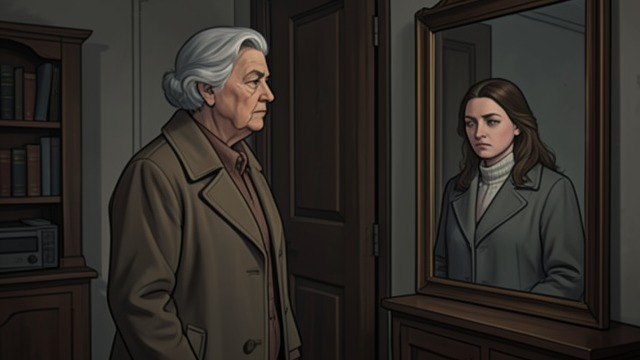
Someone Else
A Retrospective Voice
The older narrator says that the young woman in X-ville was not herself but Eileen. The distance between the narrator and her former identity frames the whole account as an act of interpretation.
Self as History
Eileen is both a person she remembers and a self she has outgrown. The framing makes transformation central without claiming that the earlier woman simply vanished.
Imagining a New City

Imagining a New City
A Place for Change
Eileen imagines New York City as a setting where she might leave her family role and discover a future. She expects the city to provide possibility with little need for a plan.
The Limits of Fantasy
The city cannot by itself undo her fear or teach her how to live. Still, the fantasy keeps open a mental route beyond X-ville.
A Map of Departure

A Map of Departure
Route Rehearsed
Eileen studies how to reach Rutland and imagines leaving the Dodge there before taking a train. The map turns escape into a sequence she can repeat in thought.
A Personal Archive
The map later becomes a keepsake of childhood, sadness, and home. Its meaning changes from practical route to a record of the life she left.
The Mark of Departure
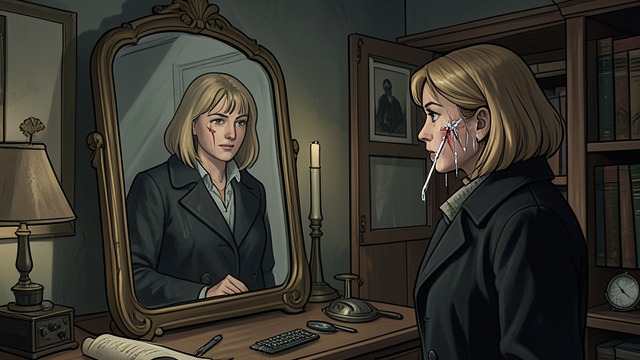
The Mark of Departure
A Changed Reflection
Before leaving, Eileen sees a new certainty in her face and kisses her reflection. An icicle cuts her cheek as she steps outside, leaving a scar that becomes part of her remembered identity.
Change Made Visible
The wound marks the transition but does not explain it. Eileen carries the scar as a reminder of the person who escaped rather than as proof that she is now free of pain.
A Life Built Slowly

A Life Built Slowly
Later Contentment
The older Eileen describes a beautiful home, food, walks, and the comfort of living alone. These pleasures differ sharply from the deprivation and self-neglect of her youth.
Reinvention Without Erasure
She credits leaving with the chance to start over but rejects the idea that the escape led directly to paradise. A new life is built through time, mistakes, and changed desires.
Opening reflection on 1964
Early December before Rebecca arrives
Monday before Christmas Eve
Christmas morning at the family home
Decades after the disappearance
