
The Limits of Care
EileenThis thread examines care as a practice repeatedly confused with duty, control, and rescue, before Eileen begins to imagine care on different terms.
increasing Bearing strength in each event
 decreasing
Bearing strength in each eventdecreasingCare as Obligation
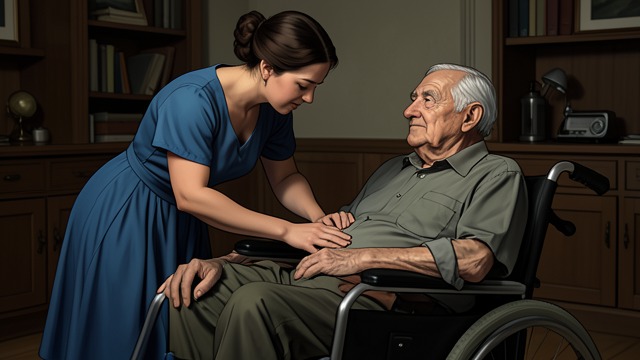
Care as Obligation
A Role Assigned
Eileen leaves college and tends to her mother, then becomes Charlie’s daily caretaker. The family treats her labor as expected rather than as a choice deserving recognition.
Duty Without Tenderness
Her practical care coexists with fear, resentment, and emotional distance. The novel distinguishes maintaining someone’s needs from giving or receiving genuine affection.
Care at Moorehead
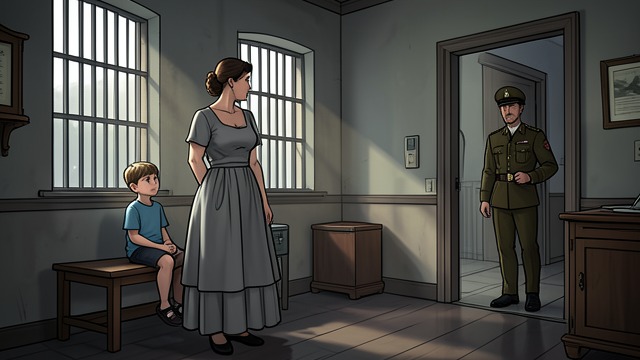
Care at Moorehead
Rules Called Protection
Eileen tells mothers that restrictions on gifts and touch protect the boys. She knows the explanation is false but repeats it because the institution requires obedience.
Institutional Neglect
The prison offers procedures in place of humane care. Its routines manage visitors’ grief while leaving the boys’ emotional needs largely unanswered.
Rebecca’s Rescue Claim

Rebecca’s Rescue Claim
A Desire to Help
Rebecca says she wants to help Leonard and Rita confront the truth. She sees intervention as care and herself as the person willing to ask difficult questions.
Care Becomes Control
Her concern leads her to confine Rita and demand a confession. The attempt to save one person becomes coercive toward another, exposing the danger of care without limits or accountability.
Eileen’s First Consolation

Eileen’s First Consolation
Hearing Rita
Eileen listens as Rita explains her loneliness and the affection she received from Mitch after the abuse. The account resonates with Eileen’s own hunger to be loved.
A Sincere Gesture
Eileen tells Rita there, there and means it. The comfort is small and compromised by the hostage situation, but it marks a rare movement beyond self-absorption.
Care Without Captivity

Care Without Captivity
Later Tenderness
The older Eileen says she now cares deeply for people and values a life in which her bed is full of love because she is alone in it. Her affection no longer depends on being chosen by a rescuer.
A Changed Practice
The contrast suggests a form of care that does not require obedience, possession, or self-erasure. Eileen’s later life does not undo the past, but it gives her a different way to inhabit it.
After Eileen’s mother becomes ill
Friday and Tuesday visiting hours
Christmas Eve evening
Late Christmas Eve in the basement
Many years after the escape
