María Julieta Mansilla
Elena KnowsMaría Julieta Mansilla is Isabel Mansilla’s daughter, born after Rita intervened in Isabel’s attempt to end an unwanted pregnancy. She remains largely outside the narrated action, known through family photographs, preserved announcements, and Isabel’s account of their household. That distance is significant: Julieta is at the center of the story Rita helped bring about, but the adults’ competing understandings of motherhood shape the account of her life more than her own perspective does.
Identity and Background
A newspaper birth announcement preserved among Rita’s belongings records that María Julieta Mansilla was born in the City of Buenos Aires on March 20, 1982, to Isabel Mansilla and Marcos. Rita kept the clipping carefully, its edges cut straight, alongside Christmas cards from the family. The announcement gives her a definite place in the family record; the rest of the evidence complicates what that record seems to promise.
In the novel’s present, Isabel Mansilla says that Julieta turned nineteen three months earlier. She is therefore an adult, though she does not appear directly in the encounters between Isabel Mansilla and Elena. Her age and presence are conveyed through the pictures that mark the years and through the family relationships Isabel Mansilla describes. The account does not establish what Julieta thinks about those relationships, or what she knows of the circumstances of her birth beyond the fact that she has always known Isabel Mansilla by her first name.
The Circumstances of Her Birth
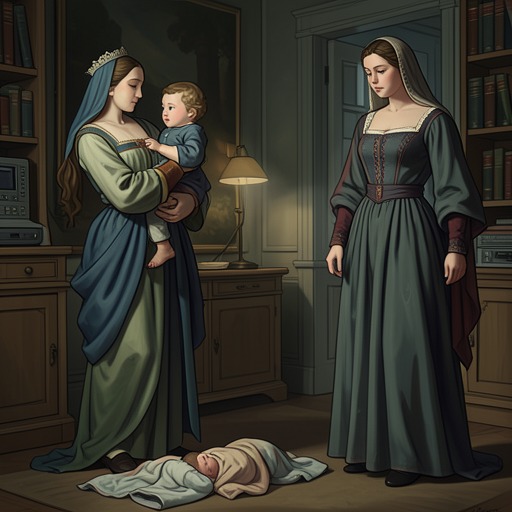
Twenty years before Elena visits Isabel Mansilla, Rita encountered her on the street while she was pregnant and seeking to end the pregnancy. Rita was returning from lunch with Elena and was on her way to work at the Catholic school. After initially recoiling from Isabel Mansilla’s distress, Rita stopped, offered help, and persuaded her not to go through with the abortion. Isabel Mansilla had said she did not want to become a mother; Rita nevertheless treated the pregnancy as a child’s life that must be protected and asserted that the decision was not Isabel Mansilla’s alone to make.
Rita took Isabel Mansilla to her own home. There she searched the woman’s handbag for identifying information and found both a pregnancy test result and an address. Isabel Mansilla later explained that the pregnancy followed sexual violence by her husband, Marcos, and that she had been trying to seek help when a nurse gave her the address that led her to the street where Rita found her. Her account makes the limits of Rita’s intervention plain: Rita prevented the abortion, but did not know the full circumstances under which the pregnancy had begun. Julieta’s birth followed an act Isabel Mansilla had not wanted, and Rita’s conviction about motherhood helped determine the outcome.
Family and Maternal Roles
Isabel Mansilla describes a division between the work of raising Julieta and the identity of being her mother. She fed her, took her to school, bought her clothes, and held birthday parties for her. She says she also loved her in a way, and describes Julieta as a good person who is easy to love. Yet she does not understand that affection and care as a mother-daughter bond: Julieta calls her Isabel, and, Isabel Mansilla says, has always known the distinction.
In Isabel Mansilla’s account, Julieta’s father and his partner are her parents. The partner is also Julieta’s godfather; he and Marcos travel together and share the clinic and other parts of their lives. Isabel Mansilla says Marcos was both father and mother to Julieta. This account does not erase the practical care Isabel Mansilla provided, but it shows why she rejects the assumption that carrying and raising a child necessarily made her feel like a mother. Her relationship with Julieta is described as closer to that of a friend, neighbour, roommate, or travel companion than a conventional maternal relationship.
Photographs and the Family’s Public Image
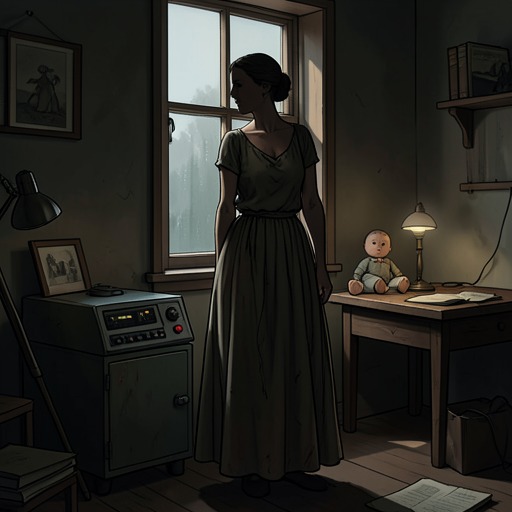
The family’s annual Christmas cards give Elena a visual chronology of Julieta growing up. Rita kept the cards together in a folder and arranged them from oldest to newest. In each successive photograph Julieta appears a year older, while her parents also age; the three are smiling, with the man in the middle holding the two women close. The photographs make a continuous, recognizable family image out of years of change.
When Elena visits Isabel Mansilla, a similar photograph stands on the mantelpiece: Isabel Mansilla, her husband, and Julieta. Another framed picture shows Julieta with a man Elena first takes to be much older than the girl. Isabel Mansilla later identifies the man in that image as her husband. She returns both pictures to their original places after showing them to Elena. The images matter because they are not a reliable guide to Isabel Mansilla’s private sense of motherhood. She presents the family portrait as an image for others to admire, while insisting that Julieta’s parents are Marcos and his partner and that she herself occupies a different, less easily named place in Julieta’s life.
Narrative Significance
Julieta’s presence connects Rita’s past intervention to Elena’s present search for an explanation of Rita’s death. Elena approaches Isabel Mansilla believing that the rescue created a debt: because Rita helped Isabel Mansilla and Julieta, Elena hopes Isabel Mansilla will now lend her the physical help her illness makes difficult to provide for herself. Isabel Mansilla does remember the past, but she does not accept Elena’s understanding of what it means. Their disagreement turns on the consequences of Rita’s act and on the question of who had authority over Isabel Mansilla’s pregnancy.
Julieta is thus central without becoming a speaking character in these scenes. Her birth is the lasting consequence of Rita’s choice to intervene; her upbringing exposes the difference between fulfilling the tasks of care and claiming a maternal identity. The treasured announcement and yearly portraits preserve a story of family continuity, while Isabel Mansilla’s account reveals that the meaning of that family was never shared equally by everyone in it.