
Freedom Against Convention
EmmanuelleThis flow traces the novel’s sustained conflict between inherited morality and the desire to construct a self-authored erotic ethic.
increasing Bearing strength in each event
 decreasing
Bearing strength in each eventdecreasingInherited Modesty

The Old Moral Order
Emmanuelle arrives with conventional assumptions about marriage, fidelity, propriety, and respectable female behavior. She is not deeply religious, but social habits still shape her reactions.
Shame as Reflex
Her embarrassment often appears before conscious judgment. It is a bodily inheritance rather than a chosen belief.
A System Under Pressure
Bangkok’s social world exposes how contingent these habits may be.
Public Doubt
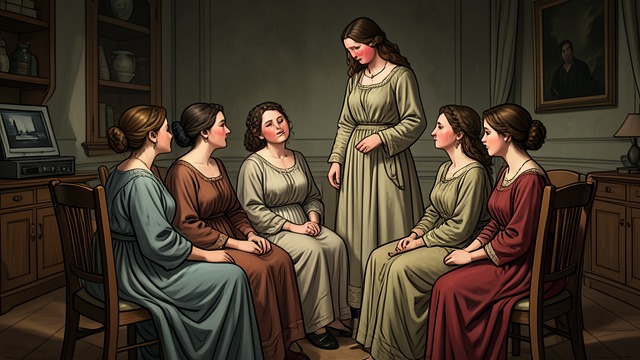
The Social Challenge
The expatriate women treat modesty as provincial and sexual experience as sophistication. Their pressure makes Emmanuelle question whether restraint reflects virtue or fear.
Freedom as Reputation
She begins acting partly to avoid being called innocent. This reveals that even rebellion can become a social convention.
The New Problem
Rejecting one moral code does not automatically create personal freedom. It may simply replace one audience with another.
Mario’s Counter-Morality

Eroticism as Ethics
Mario rejects both traditional sexual morality and casual libertinism. He proposes a disciplined erotic code based on beauty, lucidity, courage, and invention.
Beyond Prohibition
His morality does not ask Emmanuelle to abstain. It asks her to transform pleasure into conscious practice.
The Contradiction
The new law promises freedom while imposing demanding standards of intelligence and aesthetic judgment.
Testing the Code

Ethics Under Pressure
At the temple, Mario’s theory confronts actual vulnerability, commercial exploitation, and unequal power. The experience reveals that an aesthetic explanation cannot automatically make an act humane.
The Limits of Novelty
The unusual is not necessarily beautiful. Shock can expose courage, but it can also conceal coercion or indifference.
A Moral Residue
Emmanuelle leaves with pleasure and discomfort, neither of which cancels the other.
Freedom’s Unfinished Meaning

No Final Liberation
Emmanuelle continues pursuing experience without receiving a definitive moral answer. Freedom remains a practice of choices rather than a stable condition.
Agency and Influence
Her decisions are shaped by Jean, Marie-Anne, Ariane, Mario, lovers, spectators, and imagined audiences.
The Novel’s Tension
The book refuses to decide whether liberation means obeying desire, mastering it, or continually questioning who directs it.
before Bangkok
first weeks in Bangkok
first philosophical dinner
during the temple night
near the ending
