
Nature and Anti-Nature
EmmanuelleThis flow traces the novel’s philosophical opposition between biological instinct and human invention.
increasing Bearing strength in each event
 decreasing
Bearing strength in each eventdecreasingThe Natural Body
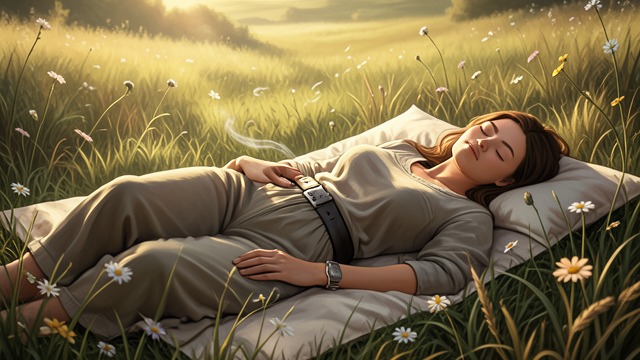
Bodies Before Theory
Emmanuelle experiences desire as a physical force involving heat, touch, smell, rhythm, and release. At first, these sensations seem self-justifying.
The Appeal of Nature
Pleasure appears innocent because it precedes moral language. The body seems to provide its own law.
The Coming Challenge
Mario will argue that instinct alone is insufficient for an art of living.
Eroticism Against Instinct
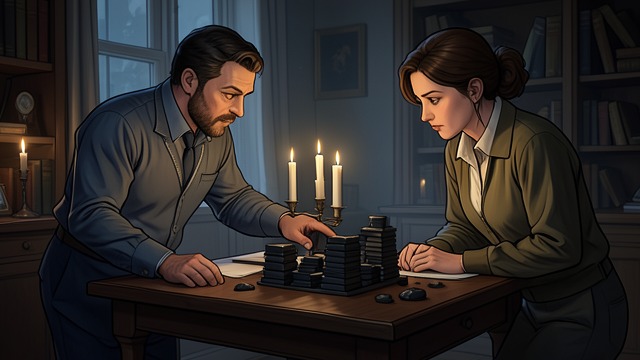
The Anti-Natural Thesis
Mario claims that eroticism begins when human consciousness opposes biological automaticity. Deliberate arrangement, imagination, and rule transform sex into art.
Human Distinction
The erotic person is not simply more permissive but more inventive and reflective.
Emmanuelle’s Attraction
She enjoys the theory because it makes her bodily appetite evidence of intelligence rather than mere instinct.
The Muria Example
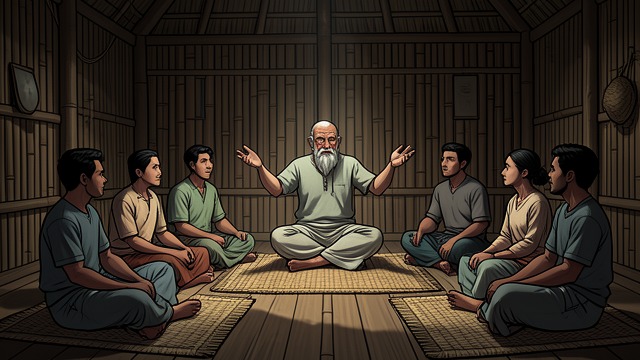
A Social Experiment
Mario cites the Murias and their communal sexual education as evidence that erotic morality can be learned and institutionalized. Their society becomes a speculative mirror for European repression.
Discipline Without Possession
The account emphasizes shared training, anti-jealousy rules, and communal responsibility.
Doubt and Idealization
Emmanuelle questions whether such a system is innate or constructed. The example remains persuasive precisely because its distance prevents verification within the story.
Learning as Transformation

No One Is Born Complete
Mario insists that poetry, morality, and erotic intelligence must be learned. Human identity is a project rather than a natural inheritance.
Education Through Practice
Experience matters only when interpreted and repeated consciously. To learn is to alter the conditions under which pleasure occurs.
Emmanuelle’s New Task
She accepts that her education has barely begun, even though her body already knows how to enjoy itself.
The Future Human

Beyond the Present Species
Mario imagines a future human being for whom old categories of sexual shame and possession have lost meaning. Erotic transformation becomes an evolutionary leap.
Hope as Doctrine
His confidence resembles faith, though he defines it as observation and reason.
The Uncertain Horizon
Emmanuelle is drawn to the promise but recognizes that no one can prove the future will reward such courage.
early Bangkok period
first dinner at Mario’s house
late in the philosophical discussion
after the Muria discussion
near the end of Mario’s speech
