
The Failure of Possession
EmmanuelleThis flow traces the novel’s repeated rejection of exclusive ownership in love, marriage, and desire.
increasing Bearing strength in each event
 decreasing
Bearing strength in each eventdecreasingMarriage Without Ownership

Jean’s Principle
Jean tells Emmanuelle that no one can take what does not belong to him. Marriage is presented as companionship rather than property.
Freedom Within Love
The statement supports her experiments and explains his willingness to display her desirability.
An Ideal Under Test
The principle sounds stable until emotional attachment makes exclusivity desirable again.
Marie-Anne’s Jealousy
Friendship as Possession
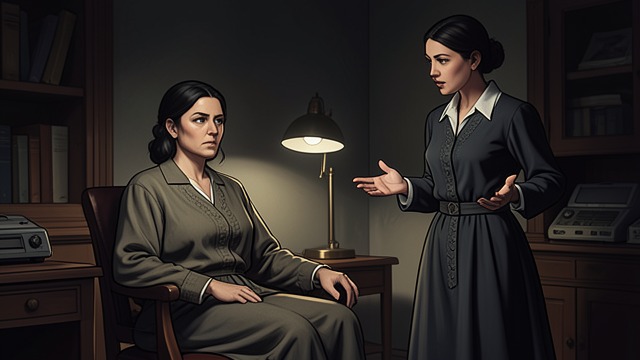
Marie-Anne’s cool response to Bee suggests that she wants to control the meaning of Emmanuelle’s relationships. She may not want exclusive love, but she wants interpretive priority.
Competing Authorities
Bee offers emotional mystery, while Marie-Anne offers instruction. Emmanuelle’s loyalty becomes divided between two forms of influence.
Ownership Reappears
Possession returns through knowledge and guidance rather than sexual exclusivity.
Bee’s Independence

The Lover Who Remains Free
Bee accepts intimacy without allowing Emmanuelle to claim her future. Her autonomy makes the relationship beautiful and precarious.
Desire Without Guarantee
Emmanuelle wants a promise that Bee will not give. The absence of possession becomes the source of both attraction and pain.
Emotional Contradiction
Freedom is desirable in theory but frightening when it permits departure.
Mario’s Multiplicity

Many Lovers, No Owners
Mario argues that erotic expansion requires abandoning the idea that one body belongs to one person. Love should multiply connections rather than close them.
Against the Couple
The pair is treated as a restrictive structure that produces jealousy and stagnation.
A New Form of Possession
Yet Mario’s program risks replacing exclusive ownership with mastery by a teacher who directs everyone else.
The Master’s Claim
Possession Reappears
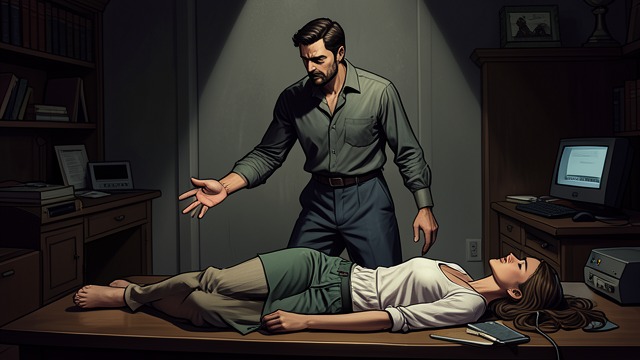
Mario calls Emmanuelle his beloved and directs the final encounter. His language of liberation culminates in a powerful claim over her body.
The Paradox
The doctrine rejects ownership, but the scene depends on command, selection, and control.
Unresolved Meaning
The novel leaves the contradiction active: freedom may require surrender, yet surrender can reproduce the authority freedom was meant to defeat.
early Bangkok marriage
after Bee becomes Emmanuelle’s lover
during the first afternoon together
during the philosophical dinner
final encounter at Mario’s house
