
The Logic of Asymmetry
EmmanuelleThis flow traces how unequal perspectives, divided bodies, and uneven participation generate erotic intensity in the novel’s theory and scenes.
increasing Bearing strength in each event
 decreasing
Bearing strength in each eventdecreasingThe Solitary Performer
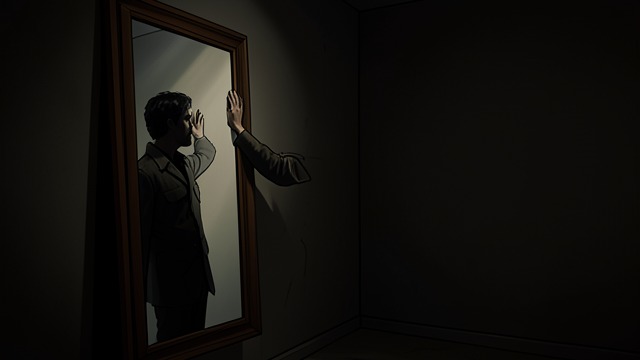
Actor and Spectator
Mario begins with masturbation, arguing that the solitary person is both performer and audience. The divided self creates the imbalance required for erotic art.
Self-Observation
Pleasure becomes more intense when the body is watched by its own consciousness.
A Fundamental Pattern
The theory explains why Emmanuelle’s private habits feel theatrical rather than merely biological.
The Imagined Third
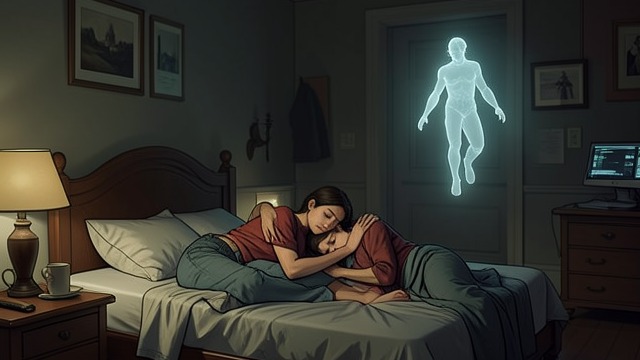
Presence Through Absence
A fantasized lover can create asymmetry even when only two bodies are present. One partner remains physically engaged while the other mentally travels elsewhere.
Unequal Attention
The imbalance prevents the encounter from becoming predictable or symmetrical.
Emmanuelle’s Recognition
She realizes that her marriage has always contained such invisible triangles.
The Public Couple
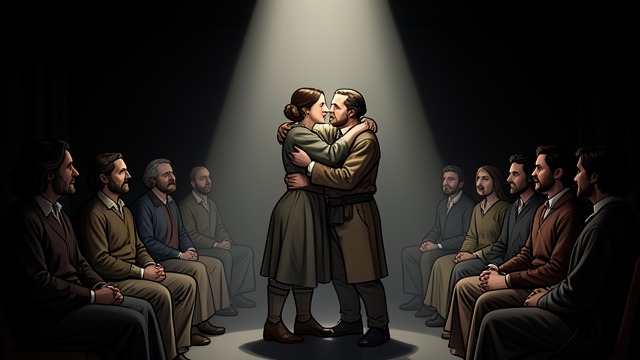
Performance Before Witnesses
Mario and Emmanuelle perform before men who do not participate immediately. The audience adds a third position and transforms the couple into a spectacle.
The Lover as Actor
Emmanuelle must experience her own body through the audience’s imagined responses.
Desire Distributed
The act no longer belongs to the two performers alone; its meaning circulates among all who watch.
The Triangular Driver

Three Bodies in Motion
The sam-lo driver, Emmanuelle, and Mario form an uneven arrangement in which each body occupies a different role. The structure embodies Mario’s theory physically.
Divided Authority
Mario directs the event while the driver supplies the immediate physical action. Emmanuelle is both central participant and object of coordination.
Intensity Through Unevenness
The scene’s power comes from the impossibility of reducing it to a simple pair.
The Cost of Balance
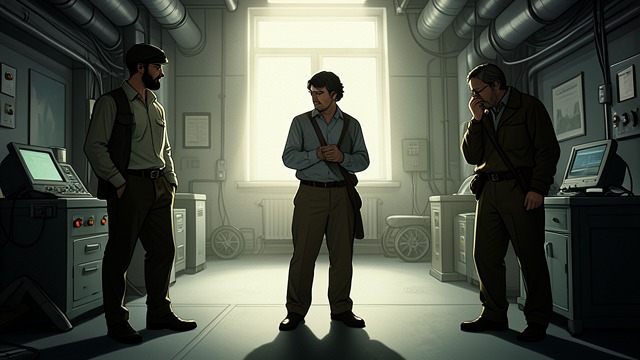
Unequal Consequences
The three participants do not leave the encounter with the same knowledge, emotional burden, or social risk. Asymmetry persists after pleasure ends.
Theory Exposed
Mario’s principle explains intensity but not responsibility. The unequal distribution of consequence remains unresolved.
Ethical Remainder
The novel’s fascination with asymmetry therefore carries a permanent shadow: the audience may not share the performer’s cost.
during Mario’s explanation of asymmetry
during the same conversation
at the temple garden
pre-dawn at Mario’s house
after the final climax
