
The Hidden Triangle
EmmanuelleThis flow traces the emergence of adulterous desire as a psychological triangle involving Emmanuelle, Jean, and imagined or actual rivals.
increasing Bearing strength in each event
 decreasing
Bearing strength in each eventdecreasingMarital Fantasy

The Third Presence
During sex with Jean, Emmanuelle imagines other men. The fantasy does not diminish her physical pleasure with her husband; it intensifies it.
Internal Multiplicity
Her mind becomes a private chamber containing several lovers at once. Desire expands through memory, invention, and anticipation.
The First Theory
Before Mario gives the idea a name, Emmanuelle discovers that erotic experience can depend on an absent third person.
Jealousy of Ariane

A Sudden Irritation
Jean says that Ariane is attractive and that he would have accepted an opportunity with her. Emmanuelle feels jealous even though nothing has happened.
Contradiction
She usually enjoys her husband’s success with other women. Her response shows that openness does not eliminate possessiveness; it only changes the form in which possessiveness appears.
Emotional Warning
The jealousy reveals how fragile her abstract freedom remains when confronted by a specific rival.
The Adulterous Impulse

Desire to Betray
Emmanuelle realizes that she wants an affair with Mario precisely because she loves Jean and feels happy in the marriage. Betrayal becomes a supplement to happiness rather than an escape from dissatisfaction.
The Secret’s Pleasure
She is drawn to the secrecy itself, imagining the tenderness of deceiving a beloved husband. The hidden act promises a new form of intimacy with herself.
A Moral Shift
Adultery moves from forbidden possibility to deliberate artistic experiment.
The Imagined Witness
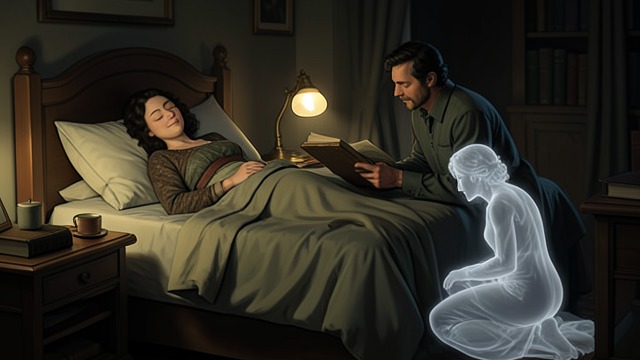
The Absent Spectator
Mario teaches that an absent lover can function as a third participant when present in the mind. Emmanuelle recognizes her own nightly habit in his theory.
Fidelity Reinterpreted
Because Jean remains physically present while her imagination travels elsewhere, she sees fantasy as a way of enlarging rather than betraying marital sex.
The Unequal Triangle
Mario insists that true erotic asymmetry requires one participant to remain intensely present while another escapes. Equality would dissolve the tension.
The Husband’s Possible Desire
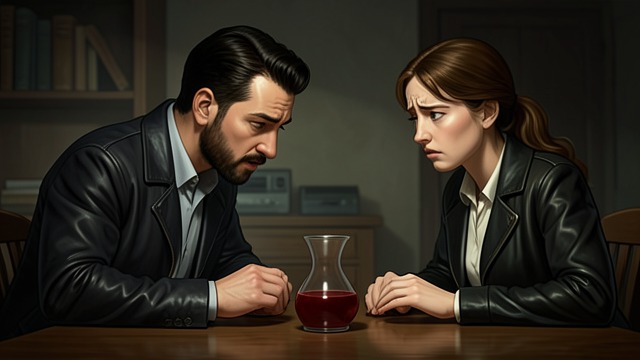
A New Reading of Jean
Mario argues that Jean’s encouragement of public exhibition may indicate a desire to see Emmanuelle possessed by other men. The interpretation shocks her because she has never considered it.
Defense and Doubt
She initially rejects the idea as incompatible with love. Yet Jean’s tolerance, pride, and encouragement begin to look ambiguous.
Marriage Reopened
The question does not resolve the truth about Jean. It changes the marriage into a text Emmanuelle must continue interpreting.
early nights in Bangkok
after Jean praises Ariane
before Mario’s dinner
during Mario’s first philosophical dinner
later in the dinner conversation
