
Monk Against the Avant-Garde
ErasureThis thread traces how Thelonious Ellison’s critical independence turns a scholarly presentation into a personal confrontation with an experimental literary circle.
increasing Bearing strength in each event
 decreasing
Bearing strength in each eventdecreasingReluctant Conference Arrival
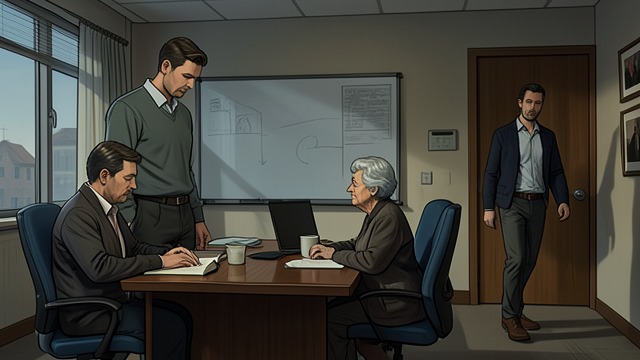
An Unwanted Return
Reasons for Attending
Thelonious Ellison travels to Washington, D.C., for a Nouveau Roman Society conference, though he has little affection for its members or their literary mission. The visit also gives him a reason to see Lisa Ellison and Agnes Ellison after years of distance.
His family’s concerns quickly take precedence: Lisa describes Agnes’s worsening memory and the burden of managing her affairs. Monk arrives at the conference already feeling that neither its intellectual program nor his family’s demands fits easily into his life.
A Paper with an Edge
Monk’s presentation treats a critical work as an object of analysis rather than accepting its authority. His approach reflects his resistance to prescribed literary categories, but he does not expect the audience to welcome it.
The conference brings his private skepticism into a public setting. The hostility waiting in the room will turn an academic disagreement into a dispute over who has the right to define serious fiction.
The Paper Draws Fire
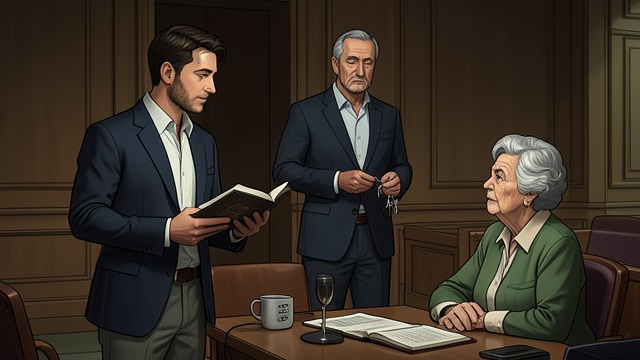
A Provocation in the Lecture Room
The Argument
Monk reads a close analysis of Roland Barthes’s S/Z, questioning its assumptions and exposing the instability of its interpretive method. His paper does not simply reject experimental criticism; it uses the critic’s own procedures to make their authority look uncertain.
The audience responds first with restrained applause and silence. That pause makes the room’s uncertainty visible: listeners have heard enough to feel challenged but are still deciding what the challenge means.
A Public Insult
Davis Gimbel throws his keys toward Monk and calls him a bastard. Monk reads the outburst as proof that Gimbel has reacted before understanding the paper, and his cool reply only deepens the confrontation.
Gimbel calls Monk a mimetic hack, turning a disagreement about form into a judgment about artistic legitimacy. The exchange gives the conference a spectacle that its participants can repeat and reshape beyond the room.
The Threat Becomes Physical
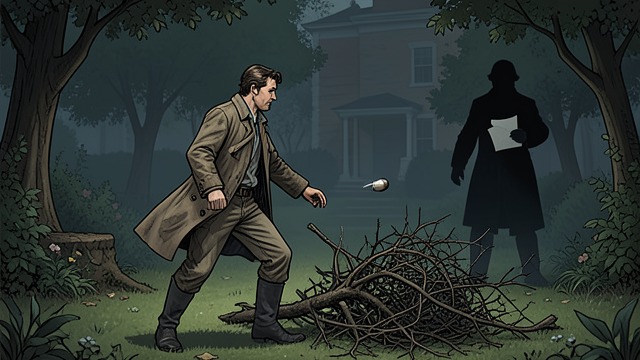
The Argument Follows Monk
From Keys to Threats
After the presentation, Monk finds a death threat signed in the name of the Ghost of Wyndham Lewis. He does not believe the threat is likely to be carried out, but it confirms that his paper has become a personal grievance for the people he mocked.
Davis Gimbel later confronts him outside the Tabbard Inn, invoking experimental fiction and accusing Monk of helping to interrupt its project. Gimbel’s language treats the movement’s failure as the consequence of hostile cultural forces rather than as a problem within its own ambitions.
A Failed Fight
Monk asks what the movement set out to accomplish and challenges Gimbel’s claim that he has interrupted it merely by refusing to pay attention. The question exposes the gap between Gimbel’s grand account of cultural struggle and Monk’s indifference to the group.
Gimbel throws a punch, but Monk sidesteps and Gimbel tumbles into an azalea bush. The attempted assault does not settle the intellectual dispute; it makes the dispute’s theatrical and self-dramatizing character harder to ignore.
Isolation After the Encounter
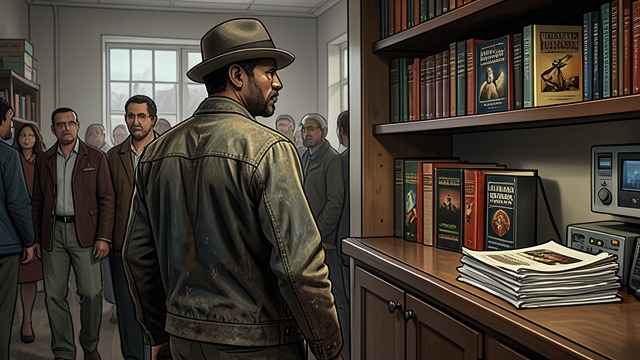
The Cost of Refusal
A Reputation Takes Shape
The confrontation becomes the meeting’s story, with observers leaving to circulate competing accounts of how it began. Monk recognizes that the episode may acquire a life of its own, especially among writers who thrive on literary feuds.
He does not attempt to repair his standing with the group. Instead, he treats its hostility as confirmation that he remains an outsider to a circle whose members value the avant-garde identity he has challenged.
The Dispute Widens
The conflict is not confined to the conference. At a bookstore, Monk finds his novels shelved under African American Studies rather than among contemporary fiction, another classification that seems to distort the work before readers encounter it.
The two incidents differ, but together they sharpen Monk’s sense that institutions can decide what his writing means without attending to what he actually wrote. The conference fight becomes one early form of a broader struggle over literary labels and authority.
A New Literary Battle
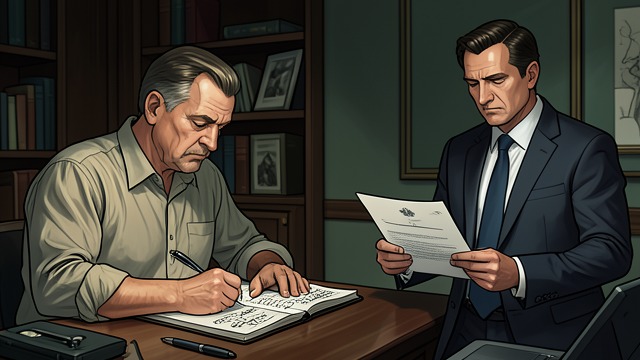
The Old Argument Changes Form
From Criticism to Survival
After Lisa is murdered and Monk returns to Washington, he faces financial pressure as well as family responsibility. His literary work still meets rejection, and his agent Yul reports that editors consider Monk insufficiently aligned with expected representations of Black life.
Monk’s conflict with experimental writers now sits beside a more consequential fight with publishing conventions. The institutions differ, but both seem to want a legible version of him before they will take his work seriously.
A Deliberate Counterstroke
Monk writes My Pafology under the name Stagg R. Leigh, making a parody of the stereotyped voice and plot that publishers and reviewers reward. He sends it out without explaining that it is parody, forcing the industry to confront—or reveal—its own expectations.
The book receives a large offer from Random House and is praised as authentic. The result is not a victory over the literary system but a disturbing escalation: Monk has made his critique commercially valuable by supplying the very fiction the system mistakes for truth.
At the beginning of Monk’s Washington visit
The morning of Monk’s conference presentation
Later that evening outside the Tabbard Inn
The days after the conference
After Monk returns to Washington to care for Agnes
