
Monk’s Identity Crisis Becomes Public
ErasureThis thread traces Monk’s attempt to control his artistic identity as his invented author succeeds, his family’s losses accumulate, and the award ceremony forces a confrontation.
increasing Bearing strength in each event
 decreasing
Bearing strength in each eventdecreasingTwo Selves on the Page
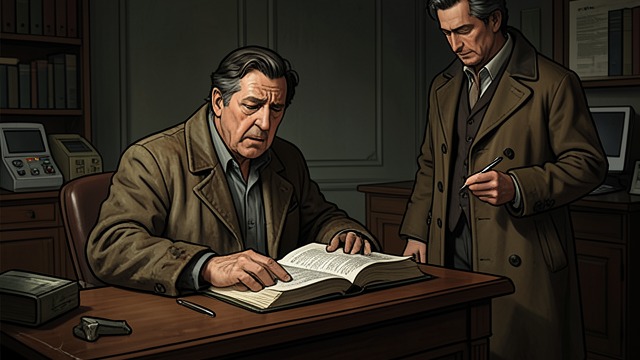
The Artist Faces His Double
A Career Under Strain
Monk returns to Washington after Lisa’s murder to care for Agnes, while his own novels continue to face rejection. The disparity between the work he values and the kind of writing editors seem to want grows harder to treat as a purely aesthetic disagreement.
He creates My Pafology under the name Stagg R. Leigh, using a deliberately exaggerated voice to expose the market’s appetite for racial stereotype. The pseudonym lets Monk test that market while keeping his established identity apart from the experiment.
A Mask with Consequences
The manuscript is not merely a disguise: it becomes a means of asking whether an audience can recognize satire when the work confirms what it already expects. Monk intends the book to function as a critique, but its fate depends on readers who may never see that intention.
The invented author gives Monk a way to act against the industry while also making him vulnerable to its approval. His experiment begins as a controlled literary provocation, but the success of its mask threatens to make it a second identity.
Money Rewards the Mask
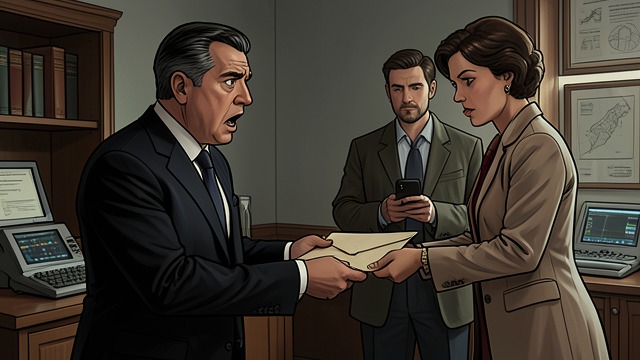
Approval Arrives in the Wrong Form
A Large Offer
An editor at Random House offers six hundred thousand dollars for the manuscript and calls it raw, honest, and important. Monk is stunned that a work he considers a parody has been accepted as an authentic account of Black life.
The money promises relief from the financial pressure of caring for Agnes and Lorraine. That practical need makes it difficult for Monk to reject the offer, even as the praise confirms his fear that the book’s readers have misunderstood its purpose.
A Performance Takes Shape
Monk instructs Yul to present Stagg as a shy former prisoner who will speak only about the book. He plans to maintain the fiction rather than explain the joke, because disclosure could collapse the test before the market reveals how it reads the work.
The strategy forces Monk to inhabit the persona he invented. What began as a pseudonym now demands a public performance, shifting the conflict from the meaning of the manuscript to the credibility of its author.
The Book Takes the Title Fuck
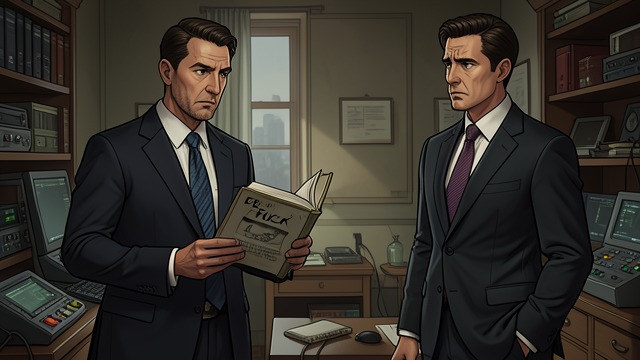
Naming as a Test of Control
A Deliberate Change
Monk asks the publisher to retitle My Pafology as Fuck, resisting the suggestion that the title be softened or disguised. He argues that the novel’s existing language makes the title consistent with the book and that the publisher should not treat the word as unsayable.
The proposed change tests how much control Stagg can exercise over his own work. Although Monk is the actual author, the negotiations require him to speak as if the invented writer has authority and a career to protect.
The Publisher Gives Way
The editor objects that the title may be considered obscene and harm sales. Monk answers that the book can be taken elsewhere, using the threat of refusal to make the publisher accept his terms.
The title is approved, and the book becomes a bestseller. The decision feels like a small victory for Monk’s control over the project, but it also strengthens the public identity of Stagg R. Leigh and the commercial object that Monk despises.
The Judges Embrace Stagg
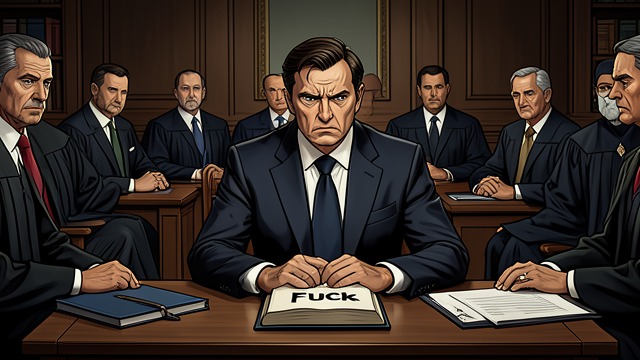
The Author Judges Himself
A Conflict of Roles
Monk is named to the Book Award judging committee, which reviews hundreds of books. When a copy of Fuck arrives for consideration, he cannot acknowledge that he wrote it without exposing the pseudonym and the deception behind the book.
He decides to ignore the conflict rather than disqualify the manuscript. The choice keeps his secret intact but leaves him judging a work whose public meaning he believes is profoundly wrong.
Praise Becomes Pressure
The other judges describe Fuck as raw, realistic, and an important African American novel. Monk argues that it is poorly written, racist, and not a novel at all, but his colleagues interpret his objection as a failure to appreciate authentic representation.
The disagreement puts Monk in a trap of his own making. The more insistently he attacks the book, the more isolated he appears, while the other judges’ approval carries the manuscript toward the award.
The Ceremony Breaks the Fiction
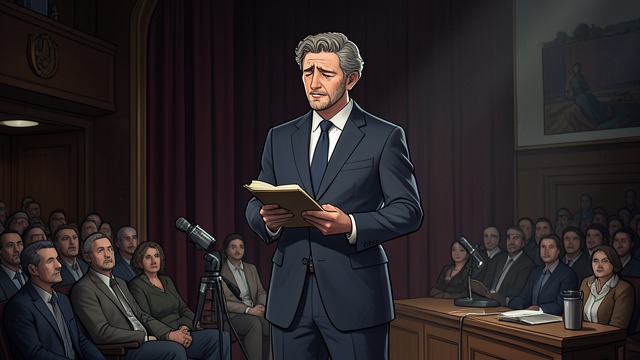
The Mask Reaches Its Limit
A Public Victory for Stagg
The judges choose Fuck for the Book Award, and the announcement brings cheers from the audience. Monk must cross the room while his colleagues and the public treat Stagg Leigh as the author of a major work.
The ceremony becomes a collision of roles: Monk is a judge, an unwilling beneficiary of the book’s success, and the hidden person responsible for the work being celebrated. He senses family and personal history crowding into the moment as he approaches the stage.
An Unresolved Exposure
Monk sees his reflection as Stagg’s face and hears the invented author speak to him about being free of illusion. He cannot deliver an orderly confession or accept the prize as if the conflict were settled.
Instead, he offers a fractured response before the cameras. The ending leaves the public truth of authorship unresolved, but makes clear that Monk can no longer keep the success, the satire, and his own identity neatly separated.
After Monk takes leave from UCLA and settles in Washington
Soon after Random House receives My Pafology
During the final negotiations before publication
During the Book Award judging period in New York
At the National Book Association ceremony in February
