
Race as a Literary Market Category
ErasureThis thread traces how Thelonious Ellison resists racial prescriptions for his fiction, then exposes the publishing industry’s appetite for stereotyped representations through the success of his own disguised parody.
increasing Bearing strength in each event
 decreasing
Bearing strength in each eventdecreasingA Racialized Identity
A Racialized Identity
Assigned Categories
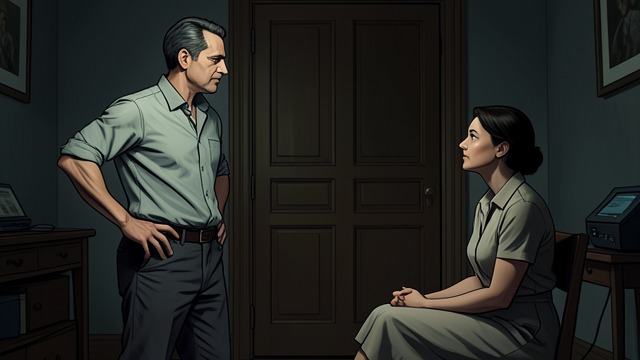
Thelonious Ellison begins by describing how society identifies him as Black through his skin, hair, nose, and ancestry. He rejects race as a reliable account of human difference, while recognizing that people who believe in racial categories can still use them to harm him.
His account does not settle into a simple declaration of independence. He has been detained by white police and repeatedly told that he is not Black enough, so his skepticism about race coexists with an awareness of its practical force.
Literary Consequences
That contradiction frames the conflict awaiting his fiction: readers and gatekeepers will treat his identity as a guide to what he ought to write. His sense of himself as a writer remains at odds with demands that he represent a prescribed racial experience.
The Demand for Authenticity

The Demand for Authenticity
Gatekeeper Expectations
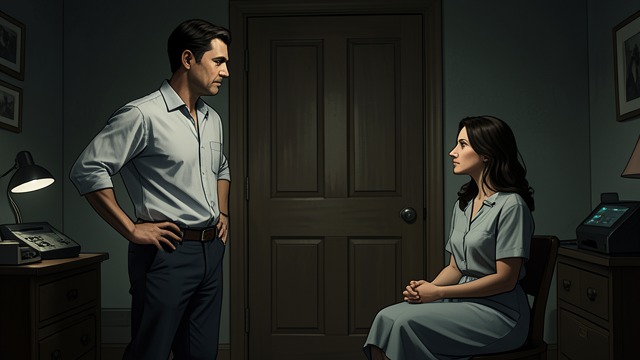
At a party, an agent tells Thelonious Ellison to abandon retellings of classical drama and write gritty stories of Black life. The advice treats his actual life and artistic interests as insufficient evidence of racial authenticity unless they match a marketable image.
A later bookstore visit sharpens the injury: his formally ambitious novels have been shelved under African American Studies rather than in general fiction. Their placement presents racial identity as the primary key to reading them, even when that framing makes the books harder for their likely readers to find.
A Competing Model
The episode makes classification itself part of the commercial problem. Thelonious sees that both the author and the reader are being steered by a category that claims to represent Black experience while narrowing what that experience can look like.
A Bestseller’s False Authority
A Bestseller’s False Authority
Marketable Dialect
Thelonious reads the opening of We’s Lives In Da Ghetto and recoils from its conspicuous dialect and stock hardships. The narration’s stylized spelling turns linguistic difference into a conspicuous badge of authenticity, while its sensational plot promises familiar images of violence and deprivation.
A review intensifies his objection by praising the book as a faithful account of Black America. Thelonious objects not simply to a novel he considers weak, but to the authority conferred on it as a representative portrait of people whose lives are far more varied than its formula allows.
Commercial Validation
The book’s sales and media attention establish the stakes: market success can make a caricature look like cultural testimony. Thelonious’s anger is also compromised by envy and professional frustration, which prevent him from treating the controversy as a detached literary dispute.
An Author Behind a Mask

An Author Behind a Mask
A Deliberate Counterfeit
Facing his family’s financial needs and a string of rejections, Thelonious Ellison writes My Pafology under the invented name Stagg R. Leigh. He adopts the exaggerated voice he despises, not as a discovery of his own authentic idiom but as a deliberate test of the stereotypes the industry rewards.
The parody is intentionally rough and troubling. Its narrator’s cruelty is meant to reveal the damage of a market that treats degradation as realism, but the very act of reproducing that voice makes Thelonious vulnerable to becoming part of the machinery he means to expose.
The Market’s Response
Random House offers a major advance after mistaking the manuscript for a powerful and truthful portrait of Black life. Thelonious discovers that the gatekeepers’ mistake is not an obstacle to the book’s success; it is the reason they want it.
Recognition Through Misreading
Recognition Through Misreading
Praise as Evidence
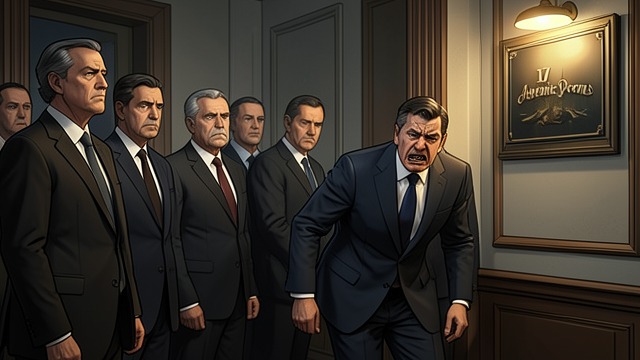
The Book Award judging committee praises Fuck as raw, vivid, and representative, repeatedly treating its fictional voice as proof of lived experience. Thelonious argues that the work is racist and artistically failed, yet his fellow judges interpret his objections as resistance to a valuable Black success.
The award transforms their misreading into institutional recognition. The book’s acclaim no longer belongs only to reviewers or buyers: a major cultural body certifies its authority while overlooking the critique embedded in its creation.
The Cost of Visibility
At the ceremony, Thelonious walks toward the stage as Stagg R. Leigh’s public identity threatens to swallow his own. His breakdown exposes how thoroughly the market has converted a fictional mask into a public authorial truth, leaving him unable to accept the honor without confronting his complicity.
At the opening of the novel
During his first Washington visit and the trip to the bookstore
After Thelonious Ellison finds the book in the bookstore
After Lisa Ellison’s murder and Thelonious Ellison’s return to Washington
At the judging committee’s final decision and the award ceremony
