
Thelonious Ellison’s Divided Artistic Life
ErasureThis thread follows Thelonious Ellison from a fiercely independent but commercially marginal writer into the creator of a bestselling persona whose success forces him to confront the cost of his own artistic strategy.
increasing Bearing strength in each event
 decreasing
Bearing strength in each eventdecreasingA Writer Apart
A Writer Apart
Inherited distance
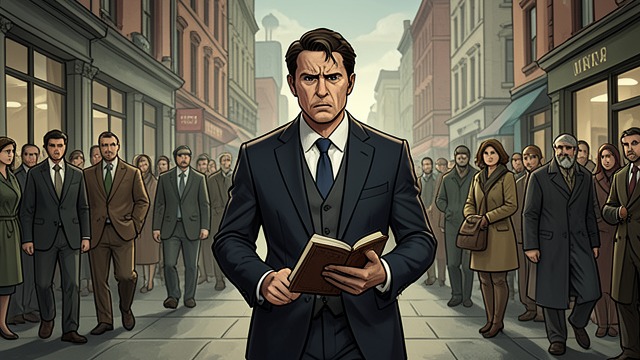
Thelonious Ellison arrives in Washington, D.C., as a successful but little-read novelist who has learned to treat his difference as both an artistic freedom and a family inheritance. His father praised his unusual mind, while his siblings saw him as removed from ordinary obligations and ordinary life.
Early professional costs
Editors and reviewers repeatedly question whether his intellectually ambitious fiction belongs in an expected account of Black experience. Thelonious Ellison resists that demand, but the rejection of his latest novel shows that independence has not brought him either a secure readership or a dependable income.
Failure and Family Duty
Failure and Family Duty
A familiar rejection
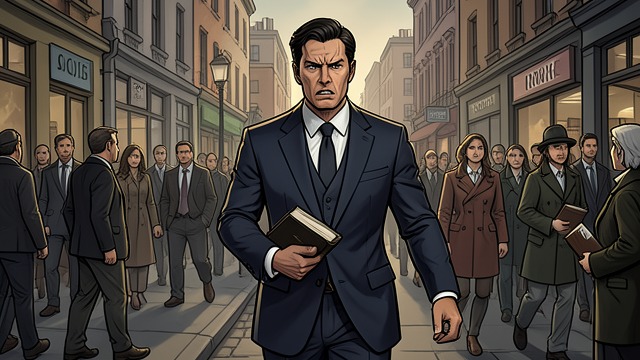
Thelonious Ellison learns that another novel has been rejected, and his agent explains that publishers consider him insufficiently legible as a Black writer. His frustration deepens because the commercially successful We’s Lives In Da Ghetto appears to confirm the market’s preference for a narrow, saleable image of Black life.
A life redirected
When Lisa Ellison is murdered, Thelonious Ellison leaves his academic life in California and returns to Washington, D.C., to care for Agnes Ellison and help manage the household. The move makes his private sense of failure concrete: he must set aside the career he built and accept responsibilities that his family’s crisis has made unavoidable.
The Stagg Leigh Invention
The Stagg Leigh Invention
A deliberate provocation
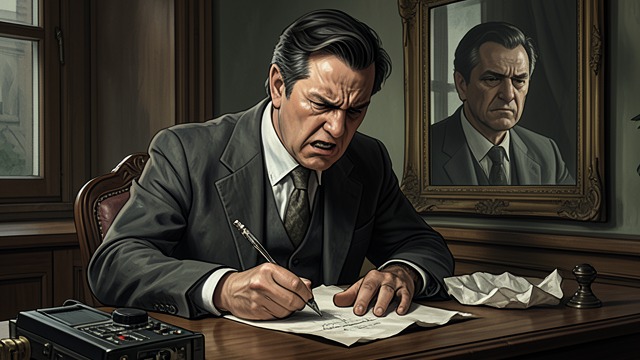
Angered by publishing conventions and by the racial expectations applied to his work, Thelonious Ellison writes My Pafology, a deliberately crude parody, under the invented name Stagg R. Leigh. He expects the manuscript to expose the assumptions that critics and publishers bring to stereotyped representations of Black life.
The market’s reversal
Random House offers a large advance and describes the manuscript as raw, authentic, and important. The acclaim does not validate the experiment in the way Thelonious Ellison intended; it shows that industry gatekeepers read the performance as documentary truth and reward it for confirming their assumptions.
A Persona Takes the Stage
A Persona Takes the Stage
Expanding the performance
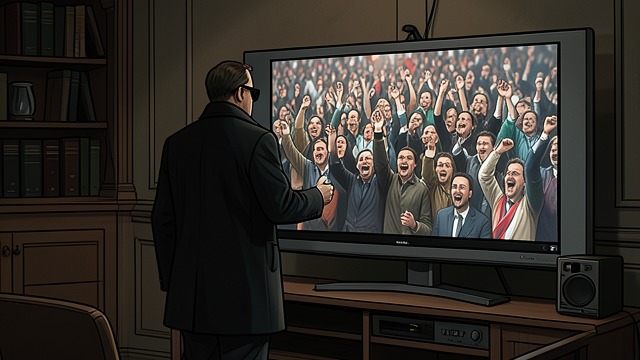
Thelonious Ellison allows Stagg R. Leigh’s public identity to grow because the book’s commercial success can help pay for care and provide financial security. He changes the title to Fuck and agrees to appear on the Kenya Dunston Show, maintaining the disguise with dark glasses and a screen while withholding the personal story the audience wants.
Success as estrangement
Readers, television hosts, and literary judges celebrate the novel as an authentic account of Black life, precisely the interpretation Thelonious Ellison meant to challenge. The persona becomes harder to contain: Stagg R. Leigh is no longer merely a name on a manuscript but a public figure whose reception exposes the artist to a new form of invisibility.
Recognition and Rupture
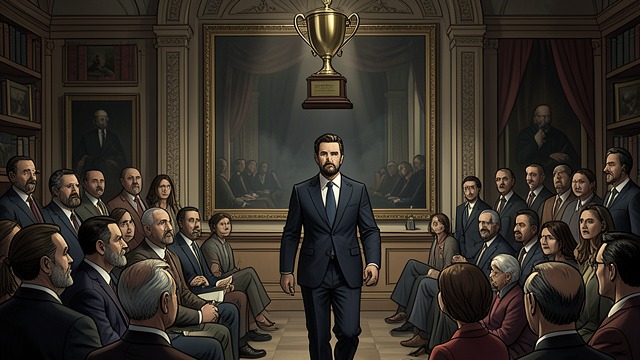
Recognition and Rupture
The impossible prize
The Book Award judging committee selects Fuck, despite Thelonious Ellison’s private opposition and his direct argument that the novel is racist, poorly written, and not art. His colleagues treat the book as a powerful representation of Black experience, making the award a public confirmation of the very misreading his pseudonym was designed to provoke.
Exposure without confession
When the award is announced, Thelonious Ellison walks toward the stage through a dreamlike crowd of people from his past. Seeing Stagg R. Leigh’s face in a mirror, he speaks as if the distinction between author and persona has collapsed; his final remark about being on television turns recognition into an unsettling spectacle rather than a clean confession or resolution.
At the opening of the Washington visit
After his return to Los Angeles and the end of the semester
During his first months back in Washington, D.C.
After the novel becomes a bestseller and before the award ceremony
At the National Book Association ceremony in February
