
Agnes Ellison’s Retreat from Recognition
ErasureThis thread traces Agnes Ellison’s gradual cognitive decline, her changing dependence on family and household care, and the painful transfer from her home to institutional care.
increasing Bearing strength in each event
 decreasing
Bearing strength in each eventdecreasingSmall Failures of Memory
Small Failures of Memory
Familiar lapses
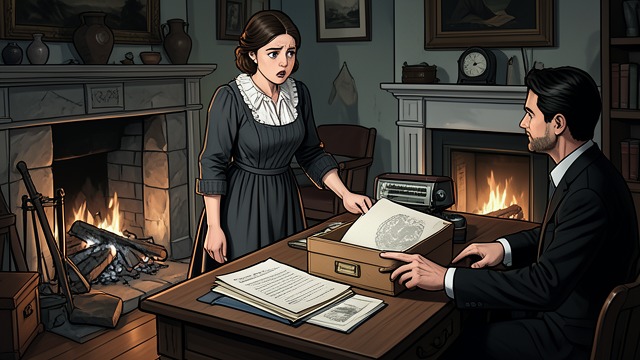
Agnes Ellison warmly welcomes Thelonious Ellison but immediately asks whether Lisa Ellison is pregnant with Barry’s child, having forgotten their divorce. Lisa explains that Agnes has also begun forgetting bills and conversations, while Thelonious Ellison initially tries to dismiss the change as ordinary aging.
A troubling sign in the house
The siblings find ashes in the fireplace that Agnes Ellison had never used because she feared fire. Agnes says she has burned papers left by her husband, Benjamin Ellison, but her vague account and confusion about the box sharpen the family’s sense that her memory and judgment are becoming unreliable.
A Household Losing Its Bearings
A Household Losing Its Bearings
Dependence and repetition
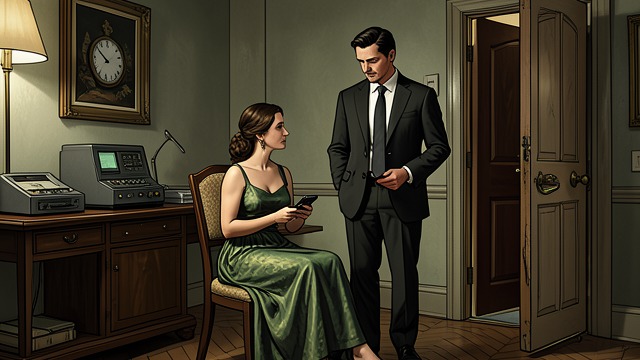
After Lisa Ellison is killed, Agnes Ellison remains at home with Lorraine, whose long service has made her the household’s essential caregiver. Agnes repeats questions, forgets earlier conversations, and confuses the past with the present, while Thelonious Ellison and Bill Ellison try to determine how much support she needs.
The family’s narrowing choices
The household’s money is limited, the old family home carries painful memories, and no easy arrangement offers lasting care. Thelonious Ellison recognizes that returning to the family is not a brief visit but a new responsibility; Agnes’s diminishing capacity increasingly sets the terms of his life.
The Pistol at the Window
The Pistol at the Window
A dangerous misrecognition
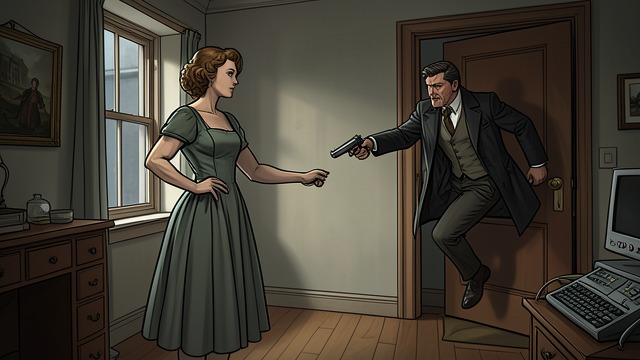
After Agnes Ellison bolts the doors and fails to recognize Lorraine, Thelonious Ellison climbs through a window to enter the house. Agnes mistakes him for a threat and holds Benjamin Ellison’s loaded pistol, offering it as protection against the man she believes is outside.
A medical explanation
A doctor rules out several treatable causes and warns that the symptoms may be early Alzheimer’s disease. He explains that Agnes should not be left alone because she might wander, fall, start a fire, or hurt someone; the diagnosis turns a frightening episode into a forecast of increasingly difficult choices.
The Beach House Crisis

The Beach House Crisis
A sudden disappearance
At the beach house, Agnes Ellison wanders out onto the pond in a skiff and stands in the boat as if unaware of the danger. Thelonious Ellison swims out through cold water, while Lorraine and neighbors watch from shore, and Agnes strikes at him with an oar when he tries to reach her.
A fragile return
Thelonious Ellison secures the boat by its rope and persuades Agnes Ellison to sit by addressing her formally, a brief tactic that brings her movements under control. The episode reveals that her lucid intervals cannot make her safe at home and that family devotion alone cannot reliably protect her.
The Move to Columbia
The Move to Columbia
A lucid farewell
On the morning Thelonious Ellison plans to take her to a care home, Agnes Ellison is calm and conversational. She remembers family relationships and speaks tenderly about Lisa Ellison and Benjamin Ellison, making the decision feel especially painful because her presence briefly seems intact.
Recognition disappears
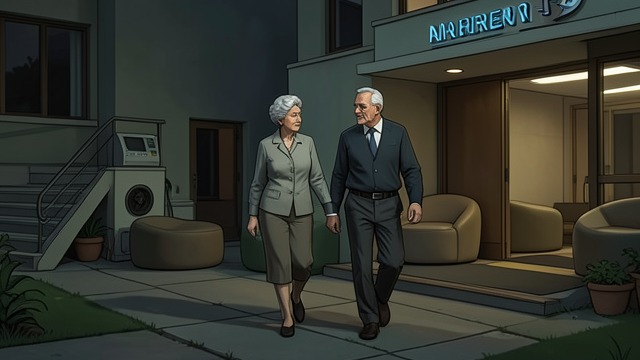
Agnes Ellison trusts Thelonious Ellison to do what is best and accompanies him to the facility. Once they walk onto its grounds, she no longer recognizes him; its rounded, padded furnishings and attentive staff mark the point at which family care gives way to supervised institutional care.
During Thelonious Ellison’s first evening home in Washington
During Thelonious Ellison’s return to the family home after Lisa’s death
During a rainy afternoon at the Underwood house
During the family’s late-summer stay at Highland Beach
The morning Agnes Ellison leaves the beach house
