
The Moral Cost of Power
Exorcist FallsThe story tests whether violent power can serve a righteous purpose without making its wielder complicit in the evil it opposes.
increasing Bearing strength in each event
 decreasing
Bearing strength in each eventdecreasingAn Exorcist’s Restraint
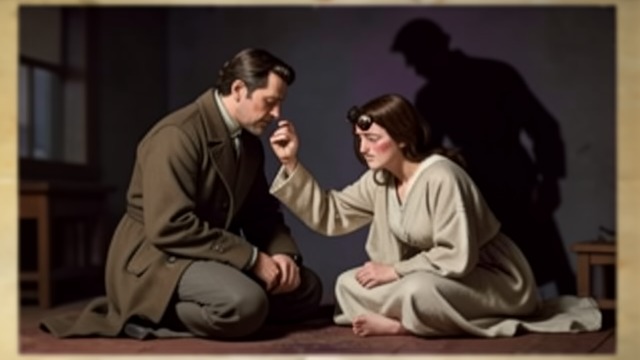
An Exorcist’s Restraint
Avoiding Easy Answers
Sutherland warns that illness and spiritual possession can be confused, and that careless exorcism can harm the vulnerable.
Urgency Challenges Caution
The danger to Casey forces a decision before certainty is possible, framing intervention itself as a moral risk.
Violence in the Bedroom
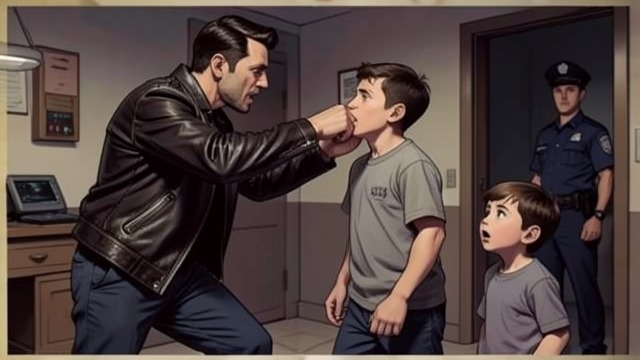
Violence in the Bedroom
Anger Mimics Justice
Bittner believes Casey is a murderer and responds with physical violence, while the boy’s taunts exploit his grief over Celia.
A Child Needs Protection
The scene forces Jason and Danny to oppose a police officer who believes himself justified.
The Dirty Work Argument
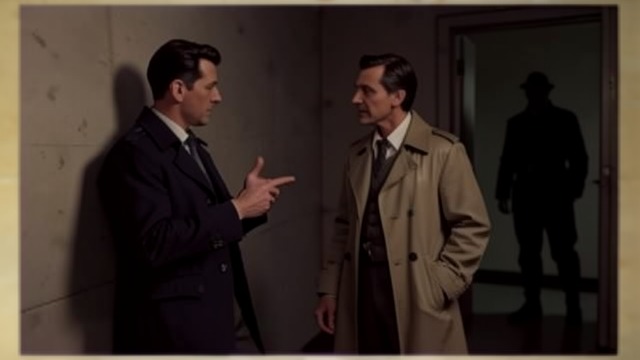
The Dirty Work Argument
A Tempting Rationale
Danny suggests that someone must perform necessary dirty work, making Jason’s actions sound like public service.
Guilt Persists
Jason cannot accept the excuse once Sutherland’s innocence becomes clear; intended good does not undo an unjust killing.
Power Used Against Attackers
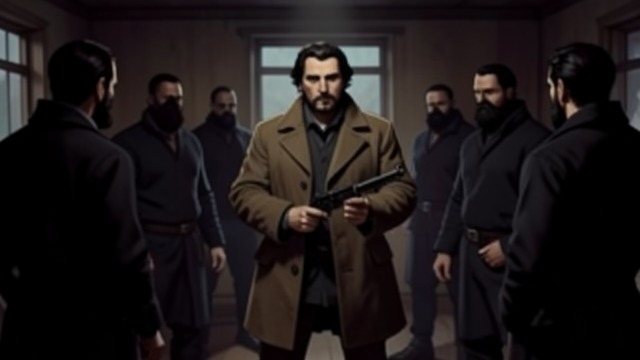
Power Used Against Attackers
Protection by Force
Jason lets Malephar attack men who are threatening civilians, stopping the immediate assault.
The Price of Victory
The demon’s excessive violence forces Jason to ask whether a useful outcome makes him morally responsible for its methods.
The Falls as Judgment
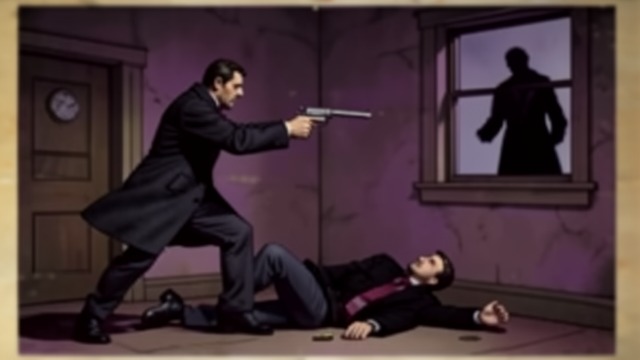
The Falls as Judgment
Stopping Danny
Jason chooses lethal action to prevent Danny from continuing his murders and to deny Malephar a more compliant host.
No Simple Absolution
Danny dies, but Jason’s survival leaves him with responsibility for the means he used and the consequences that remain.
Before Sutherland authorizes the ritual
During Bittner’s attack on Casey
After Jason kills Sutherland
At the 7-Eleven confrontation
At the climax at Jewel Reservoir
