
The City’s Competing Theories
Exorcist FallsAs public fear grows, theories about the Sweet Sixteen crimes multiply faster than reliable evidence can resolve them.
increasing Bearing strength in each event
 decreasing
Bearing strength in each eventdecreasingA City Searches for Patterns
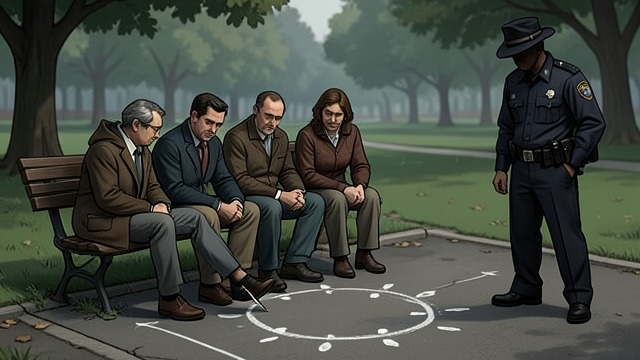
A City Searches for Patterns
Repeated Crimes
The murders’ focus on sixteen-year-old girls encourages the public and police to search for a single coherent explanation.
Pattern Becomes Pressure
The perceived pattern influences suspicion of Casey and intensifies the city’s demand for an arrest.
Suspects Multiply
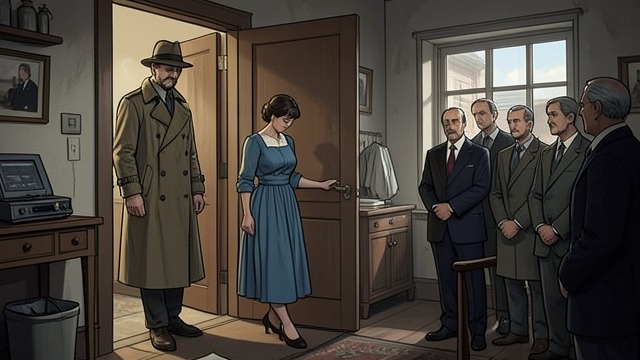
Suspects Multiply
Police and Family Theories
Bittner suspects Casey, while Ron briefly suggests Bittner himself may be the killer.
Evidence Remains Ambiguous
Each theory draws on visible traits or behavior, yet neither establishes who committed the murders.
A Police Officer Considered
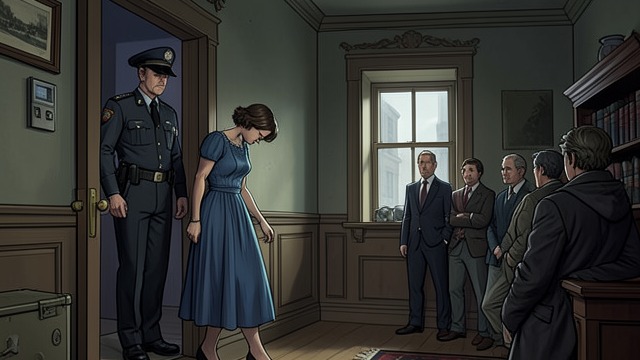
A Police Officer Considered
Access Raises Suspicion
Liz’s board includes the possibility that a police officer could exploit professional knowledge to evade investigation.
A True but Incomplete Theory
The idea points toward Danny, but Liz cannot yet distinguish his role from Raines’s or Casey’s.
Copycat Hypothesis
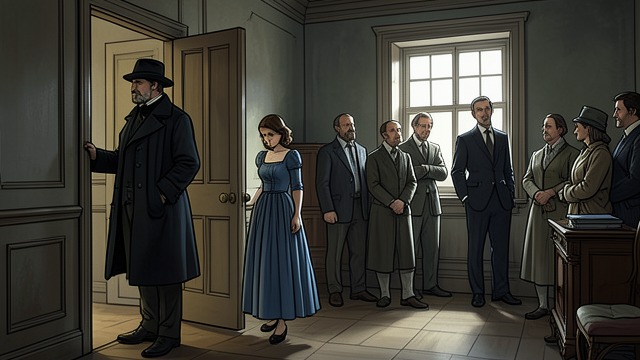
Copycat Hypothesis
An Abrupt Variation
Julia’s murder appears comparatively restrained beside the earlier escalating atrocities.
Multiple Explanations Open
Liz considers a copycat, a pair of offenders, and other theories, while the difference eventually proves significant.
The Truth Remains Unfinished
The Truth Remains Unfinished
Killers Identified
Danny and Raines are dead, but Casey confesses to Julia’s murder and threatens Jason into silence.
Public Closure Fails
The apparent end of the investigation cannot account for every crime or guarantee justice for the victims.
During the spring investigation
After Casey’s behavior becomes known
During Liz’s research after Julia’s murder
After the latest murder differs from the earlier pattern
After Danny’s death and Casey’s confession
