
The Erosion of Innocence
Exorcist FallsCasey’s transformation from victim to perpetrator complicates the novel’s distinction between being harmed and choosing to harm others.
increasing Bearing strength in each event
 decreasing
Bearing strength in each eventdecreasingThe Innocent Child
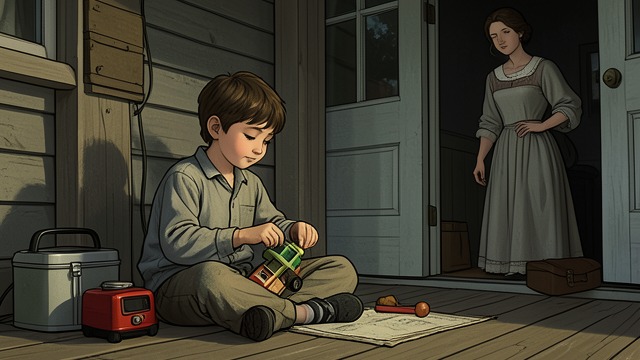
The Innocent Child
A Family’s Image
Casey is remembered as a kind, quiet boy who would not hurt another person.
Innocence Under Threat
That reputation encourages the adults to protect him, but it also becomes difficult to reconcile with what follows.
Victim of Possession
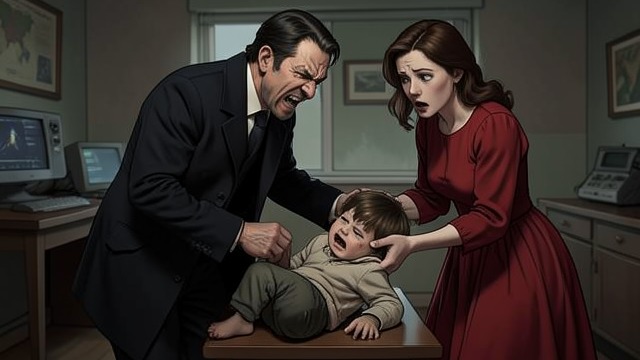
Victim of Possession
Violence Without Consent
Malephar uses Casey’s body to attack his family and torment himself, making him a victim despite the harm he causes.
Compassion Under Pressure
The adults must protect others without assuming that the boy is morally responsible for the entity’s actions.
A Traumatic Return
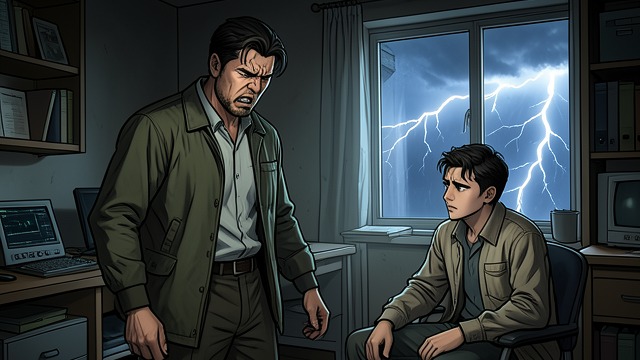
A Traumatic Return
Memory and Resentment
Casey remembers the ordeal and becomes hostile toward Jason, associating him with pain and the loss of control.
Recovery Is Not Immediate
The successful ritual restores Casey’s body but does not return his earlier temperament or repair his relationships.
A Choice to Kill
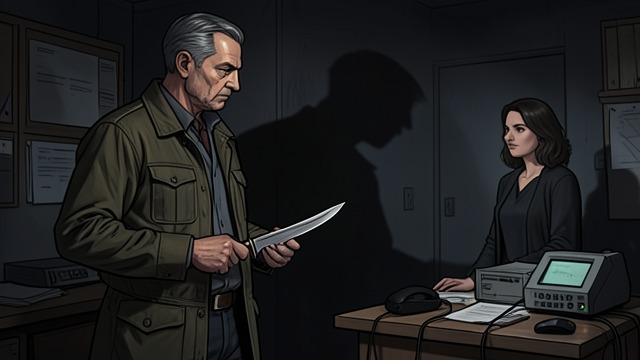
A Choice to Kill
The Uncle’s Influence
Casey says Danny instructed him how to kill Julia and gave him a sense of power.
Responsibility Reappears
Unlike the possessed violence, Casey describes the later murder as something he enjoyed choosing, complicating his claim to victimhood.
Innocence Reconsidered
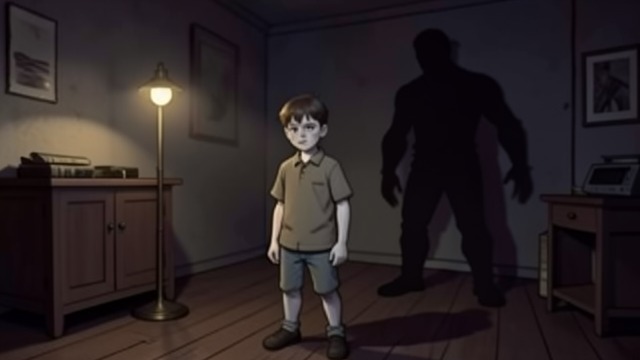
Innocence Reconsidered
A Moral Boundary Blurs
Casey has been both a child victimized by a demon and a young murderer influenced by a human killer.
Judgment Without Simplification
The story refuses an easy return to innocence, leaving his family and Jason to face the distinction between explanation and excuse.
Before the possession begins
During the night in the Hartman house
The days after Casey is freed
After Danny’s death is announced
At the end of the novel’s main crisis
