Danny Hartman–Casey Hartman godfather–godson relationship
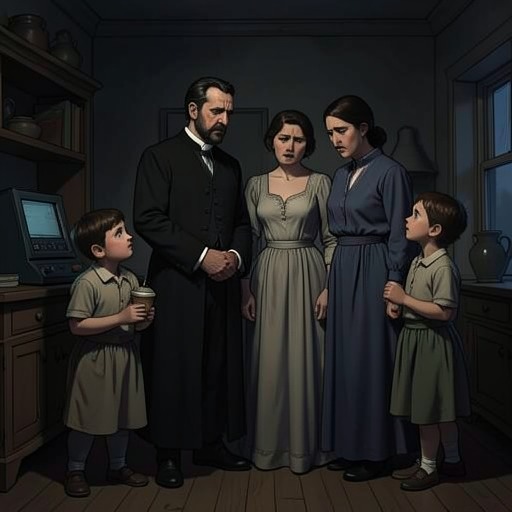
Exorcist FallsDanny Hartman–Casey Hartman godfather–godson relationship is defined by Danny’s long familiarity with Casey and by his repeated efforts to protect and comfort him during the possession crisis. Danny presents himself as someone who has known Casey since birth and understands the gentle, passive boy beneath the frightening behavior. That care is real in the scenes where he defends Casey and tends to him, but it does not make Danny morally safe: the later revelation that he is the Sweet Sixteen Killer casts a disturbing shadow over the protection he offered.
The Bond Before the Crisis
Danny identifies himself as Casey’s godfather and says he has known him since he was born. He describes Casey as a good student who had never been in trouble, and as unusually kind and passive for a boy his age. His account does more than supply Casey’s history: it asks others to distinguish the boy Danny has known from the violent figure now confronting the family. Danny’s insistence on that distinction becomes a recurring element of their relationship as the crisis escalates.
Casey had also trusted Danny with personal information. He told him about having a crush on Joy Smith, a classmate, and had written her love notes. When Casey began speaking about Joy during the crisis, Danny disclosed their connection to Jack Bittner, hoping it would explain Casey’s fixation. The information instead helped Bittner construct a theory that Casey was the killer. Danny later regarded his disclosure as a mistake. The episode shows both the intimacy between godfather and godson—Casey had confided a private adolescent feeling—and the risk of Danny’s attempt to interpret Casey for others under pressure.
Danny’s Defense of Casey
As Casey’s behavior becomes violent, Danny resists treating the boy as a criminal. He recounts that Casey’s fists struck the wooden floor with such force that the windows rattled and objects jumped on the dresser; the floor was left dented and bloody. Casey then attacked family members, including his mother, Liz Hartman, and his father, Ron Hartman. Danny’s testimony holds these alarming details alongside his insistence that the conduct was unlike the Casey he had known. His role is not to deny the danger, but to oppose the conclusion that the danger proves Casey is simply a murderer.
The conflict becomes physical when Jack Bittner wants to arrest Casey. Danny argues that Casey should not be sent to jail before the adults have understood what is happening, emphasizing that the boy is fourteen and that the murders began months before his sudden change in behavior. When Bittner attacks the family and threatens Casey, Danny—himself bloodied—points a gun at his partner and refuses to let him kill the boy. The confrontation makes Danny’s godfatherly commitment concrete: he risks a direct break with a police partner rather than allow Casey to be shot.
Care During and After the Exorcism
Danny’s protection extends beyond resisting Bittner. During the turmoil in the Hartman house, he helps secure Casey’s restraints and carries Liz from the room after she is injured. He also takes Carolyn Hartman away and tries to comfort her. These actions place him in the role of practical caretaker for Casey’s family while Casey remains the center of the supernatural emergency. When Carolyn’s distress raises the possibility that the demon may be turning its attention to her, Danny and the others move her and Liz away from the approaching danger, though Liz protests that they cannot leave Casey behind.
After Casey is freed, Danny provides the gentlest response to the boy’s confusion and pain. Casey has just been pinned down by Jason Crowder and bears injuries, including a burn on his chest from a crucifix. Danny gathers him into his arms and carries him out of the room, sparing him an explanation from Crowder, whose appearance is disheveled and frightening. Later, Danny places a hand on Casey’s shoulder and checks whether he is all right. Casey nods but looks troubled; Danny’s attention cannot establish what the boy remembers, and Crowder can only hope that Casey retains little of the ordeal.
Secrecy and Retrospective Irony
After the family is taken to safety, Danny and Crowder agree on what to tell the authorities and Liz. They will acknowledge that a demon possessed Casey and that Bittner died by suicide, but say that Peter Sutherland killed himself after attacking Crowder. Danny helps communicate this account to Liz. This shared concealment belongs to the adults’ handling of the crisis; it is not presented as a secret Casey himself chooses or manages. Still, it marks the relationship’s aftermath with an uneasy mixture of care and deception: Danny helps protect Casey from immediate danger while participating in a story that hides what happened in the house.
The later revelation that Danny is the Sweet Sixteen Killer changes how his earlier defense reads without erasing its particulars. He had spoken warmly of Casey’s childhood, opposed Bittner’s attempt to kill him, and carried him tenderly after the exorcism. Yet Danny is also revealed as a serial murderer who attacks Crowder and taunts him about having mocked his prom date. The contrast prevents godfatherhood from serving as a simple guarantee of goodness. Danny’s bond with Casey is expressed through acts of advocacy and care, but it exists within a larger character whose violence makes those acts more unsettling, not less real.