Ron Hartman–Casey Hartman father–son relationship
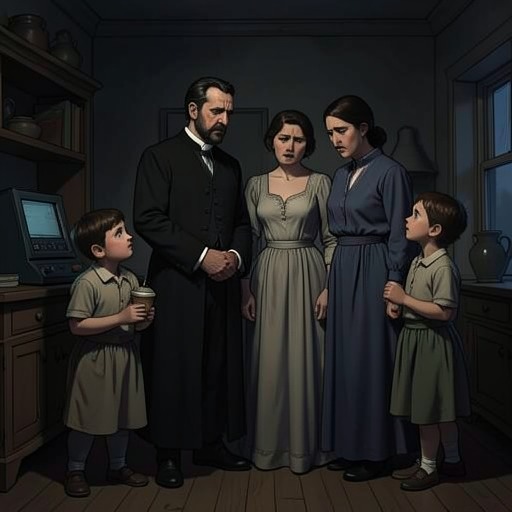
Exorcist FallsRon Hartman and Casey Hartman’s father–son relationship is tested by Casey’s violent possession and transformed when Casey emerges remembering what the demon exposed about Ron. At first Ron responds to his son as a frightened parent trying to contain an inexplicable crisis; as the episode unfolds, his attempts at control give way to a violent loss of control, and Casey’s survival does not restore their bond. The final image is not reconciliation but Ron reaching for an embrace that Casey does not accept.
Family Background and the Crisis at Home
Casey is fourteen, a boy Danny Hartman describes as unusually nice and unassuming. When Ron calls Danny for help, he says that the family has locked Casey in his room. The confinement is a desperate response to a frightening change in the boy, not evidence that the family understands its cause. Danny recounts the call to Father Crowder, who regards the measure as severe but waits for the rest of the story.
The crisis escalates after the family hears a rhythmic thumping from Casey’s room. Casey has been striking the floor with his fists so forcefully that the windows rattle, objects jump on his dresser, and the wooden floor is dented and bloody. When Liz Hartman goes to stop him from injuring himself, Casey cuts her hairline, strikes her in the face, and throws Ron across the room. He then attacks Carolyn Hartman. The incident overturns ordinary parental roles: Ron cannot physically control his son, and the household’s first concern becomes restraining Casey and protecting the other family members.
Ron remains at Casey’s bedside while Father Sutherland examines the boy and raises the possibility that the family should leave if matters take a dangerous turn. Ron refuses to go. He also objects to Jack Bittner’s handling of Casey, accusing the officer of being rougher than necessary. His protest registers as concern for his son even amid the disorder, though concern alone cannot make Casey safe or explain what has happened to him.
Control, Exposure, and Violence
During the renewed struggle to restrain Casey, Danny binds the boy’s injured wrist to a mahogany bedpost with a green extension cord. Casey then speaks in a voice unlike his own and turns his attention to Ron. The demon’s accusations shift the scene from a physical emergency to an exposure of the father’s concealed life. It alleges that Ron lied in his reports, stole from clients, maintained a mistress, and spent money on prostitutes and drugs during business trips. It also presents Ron as afraid that Liz will leave and take half his assets.
These allegations are delivered through Casey while he is possessed, and the scene makes their source important: they are the demon’s disclosures, not a calm confession by Ron. Ron’s response, however, turns the accusation into immediate danger for his son. He seizes Casey by the throat and throttles him with both hands. Father Sutherland addresses him, but it is Danny who tears Ron away. Casey is left with red marks on his throat and, in the demon’s taunting portrayal, no visible sign that his father’s attack has daunted him.
The episode lays bare a breakdown of protection inside the family. Ron had been unable to stop Casey’s assault on Liz and Carolyn; now, under the pressure of the demon’s revelations, he becomes another threat to Casey. The father’s grip does not silence the accusations or reclaim authority. Instead, Danny has to intervene to save the boy from Ron, reversing the expected direction of parental protection.
Memory and the Failed Embrace
After the immediate crisis, Ron tries to explain his conduct in terms of pressure and the demands of maintaining a lifestyle. He also says he did not want Casey to die. His words do not undo the violence or answer the disclosures. Father Crowder condemns him, while Ron blames Danny for Casey’s refusal to listen to him, suggesting that the family conflict extends beyond the father and son and into the brothers’ competing influence over the boy.
When Casey later appears, Ron’s response changes at once: he rises unsteadily and opens his arms, relieved that his son is alive. The gesture offers a possible return to ordinary affection, but Casey does not meet him halfway. He tells Ron that he remembers everything and saw what Ron had done when it touched him. He then turns and leaves Ron standing with his arms outstretched. The scene distinguishes physical recovery from relational repair: Casey can walk away from the immediate ordeal, but the knowledge he carries prevents his father’s relief from becoming a reunion.
Significance of the Relationship
The father–son bond is repeatedly tested by the difference between Ron’s stated concern and his actions. His initial refusal to leave Casey’s bedside and his later relief when the boy returns suggest attachment; his choking of Casey, excuses, and attempt to shift blame show how fear and self-protection can overwhelm that attachment. The narrative does not resolve the contradiction by declaring Ron indifferent or Casey reconciled. Instead, it ends on the distance between the father’s offered embrace and the son’s departure.
Casey’s insistence that he remembers makes the relationship’s crisis persist beyond the possession itself. The demon’s disclosures have entered the family’s knowledge, and Ron cannot simply resume his former place as a father by welcoming his son home. Casey’s exit leaves the consequences with both of them: Ron is left hoping for contact, while Casey retains the power to refuse it.