Parlour Walls
Fahrenheit 451The Parlour Walls are the central technological and social apparatus of the world of Fahrenheit 451, a set of three or four wall-sized interactive television screens that fill the homes of the city's citizens with a constant, overwhelming stream of shallow entertainment, advertising, and simulated companionship. They are the primary tool through which the state and its culture enforce happiness, suppress thought, and isolate individuals from genuine human connection, replacing real relationships with a fabricated, ever-present "family" of actors and announcers. The walls are not merely a passive entertainment device but an active, shaping environment that dictates the rhythms of domestic life, the content of conversation, and the very structure of thought itself, making them the most potent symbol of the novel's critique of mass media and consumer culture.
Design and Function
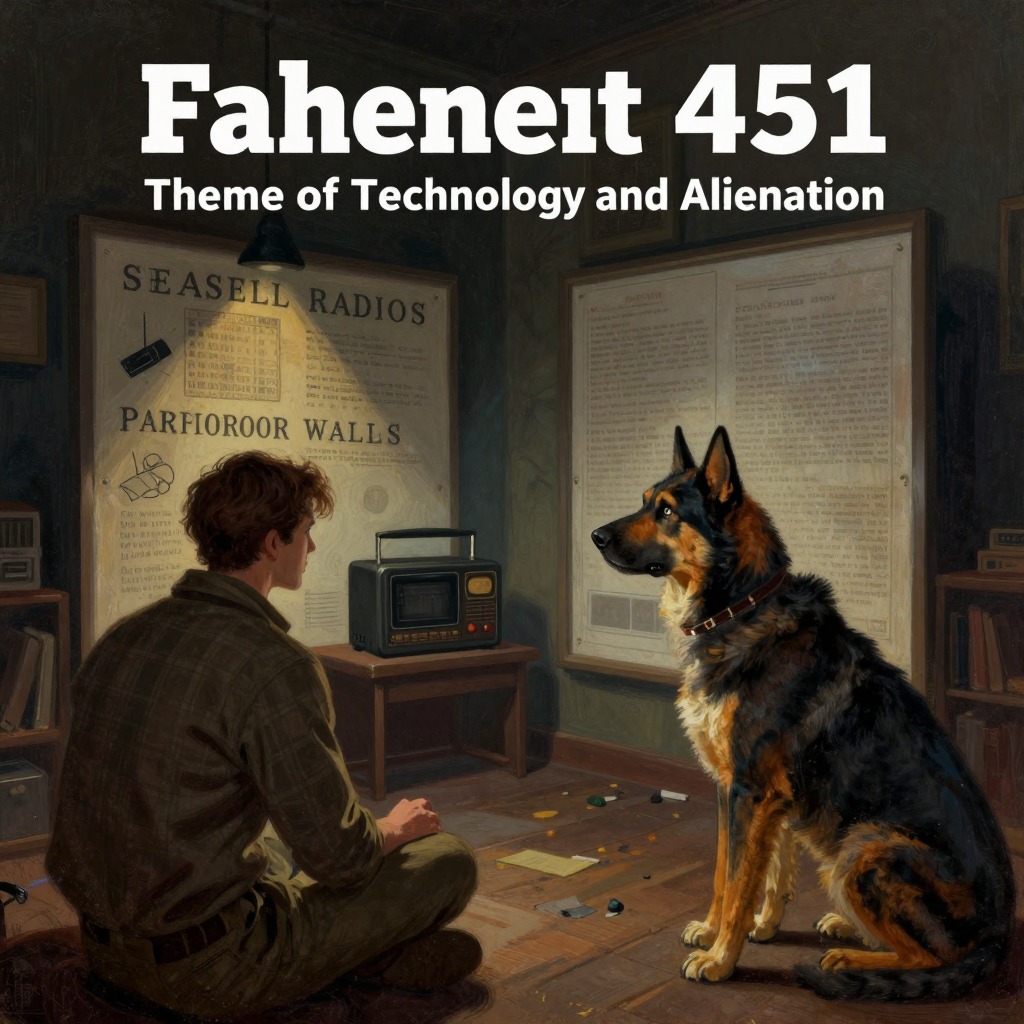
The Parlour Walls are a technological evolution of the television, covering one, two, three, or ideally four walls of a room to create a fully immersive environment. The Montags have three walls, and Mildred Montag constantly pressures her husband to save for a fourth, which costs two thousand dollars—one-third of his yearly pay. The system is interactive: viewers can participate in scripted plays where a "home-maker" fills in the missing lines, with the announcer addressing them by name through a converter attachment that automatically supplies the viewer's name into the broadcast. The walls project a constant barrage of colour and motion—"green and yellow and orange fireworks sizzling and bursting"—accompanied by music composed almost entirely of trap-drums, tom-toms, and cymbals, creating a sensory assault that leaves no room for silence or reflection. The experience is designed to be physically overwhelming: Montag feels his "bones were almost shaken from their tendons" and his "jaw vibrate, his eyes wobble in his head" from the sheer volume and intensity of the sound and imagery.
The "Family" and Social Control
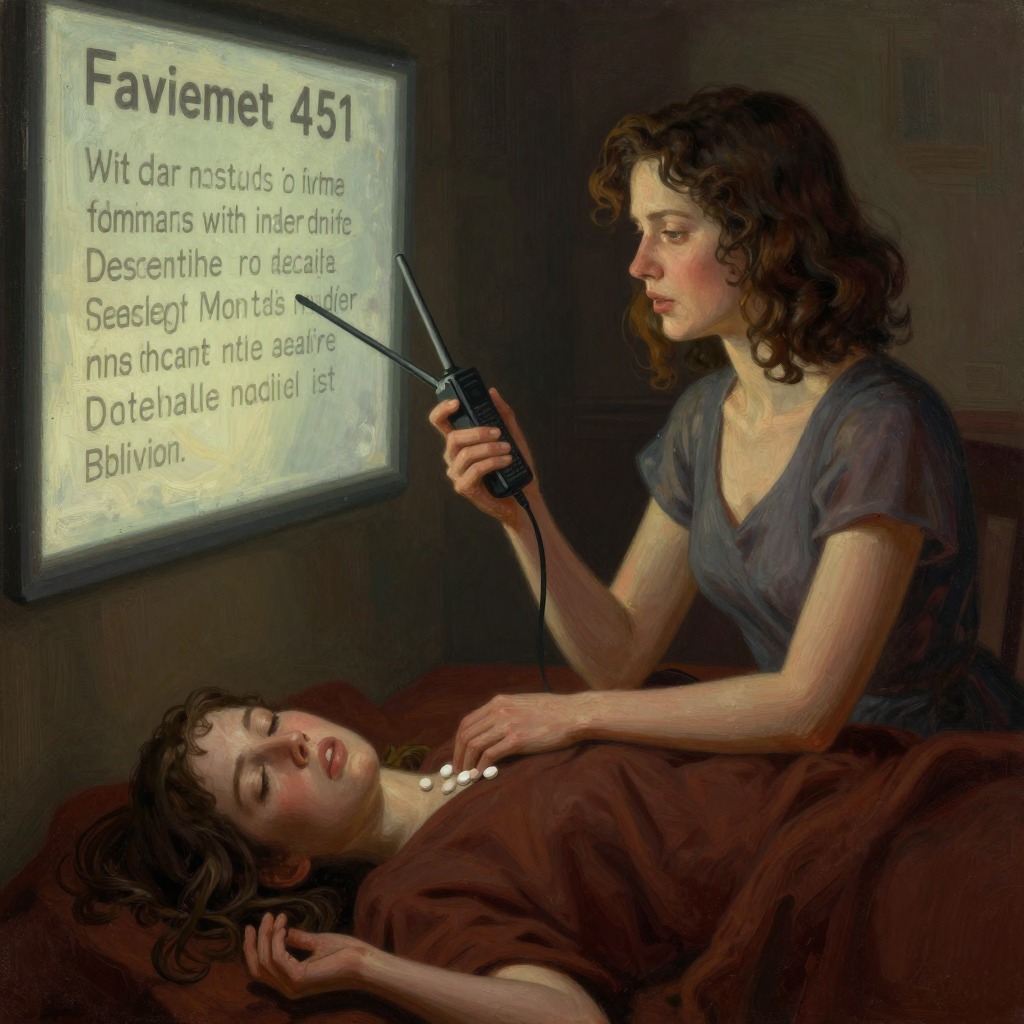
The most insidious function of the Parlour Walls is the creation of a simulated "family" that replaces real human relationships. Mildred refers to the characters on the screens as her "relatives"—aunts, uncles, and cousins—and treats them with more emotional investment than she does her own husband. The walls talk to her constantly, and she talks back, participating in a one-sided conversation that fills the void of genuine intimacy. This fabricated family is a tool of social pacification: it keeps citizens content, distracted, and isolated within their own homes, preventing the formation of real communities or critical thought. The walls are also a mechanism for enforcing conformity; they broadcast a single, unchallenging version of reality, telling people "what to think and blasts it in," as Professor Faber observes, leaving no time for the mind to protest. The system is so effective that when Montag turns off the walls, the three women—Mrs. Phelps, Mrs. Bowles, and Mildred—sit in "unconcealed irritation and then dislike," their faces growing "haunted with silence," revealing their dependence on the constant stimulation.
The Walls as a Barrier to Reality
The Parlour Walls function as a literal and metaphorical barrier between individuals and the real world. Montag reflects that there is a "wall between him and Mildred"—not just one, but three expensive walls—that prevents any genuine communication. The walls are filled with "the gibbering pack of tree-apes that said nothing, nothing, nothing and said it loud, loud, loud." They create a "crystal barrier" through which Montag cannot reach his wife; he can only "pantomime, hoping she would turn his way and see him." The walls also actively suppress awareness of the outside world, including the impending war. When Montag tries to discuss the bombers that cross the sky "every hour," Mildred is absorbed in her parlour show, and the women he reads poetry to are more concerned with the appearance of political candidates than with the reality of war. The walls are a form of sensory and intellectual imprisonment, a "great thunderstorm of sound" that drowns out any whisper of dissent or reality.
Destruction and Significance
Montag's final act of rebellion against his old life includes the destruction of his own Parlour Walls. After being forced to burn his own house, he turns the flamethrower on the three blank walls, and "the vacuum hissed out at him" as the emptiness makes "an even emptier whistle, a senseless scream." This act is a symbolic rejection of the entire system of enforced happiness and thought control. The walls are ultimately destroyed by the very bombs that level the city, with Montag imagining Mildred, in her final moments, leaning into the wall "as if all of the hunger of looking would find the secret of her sleepless unease there," before the hotel collapses upon her. The Parlour Walls thus represent the ultimate failure of a society that traded genuine experience for a manufactured, hollow substitute, a technology designed not to connect but to isolate, not to inform but to pacify, and not to liberate but to imprison the mind.