
Forgiveness Versus Forgetting
Falling For The CEO: BAD BOY ROMANCEThis flow distinguishes genuine forgiveness from denial of injury in the novel’s final moral movement.
increasing Bearing strength in each event
 decreasing
Bearing strength in each eventdecreasingInjury Remembered

The Cost Cannot Be Erased
William's Pain
William experiences Diana's silence as a violation of trust. His reaction is excessive, but the injury itself is real.
Diana's Pain
Diana experiences his accusation as a denial of every sincere moment between them. Both characters are harmed by the same hidden fact from opposite directions.
Apology Without Demand
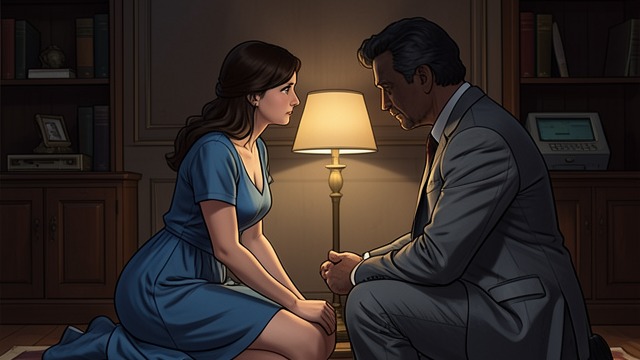
Remorse Offered Freely
Honest Explanation
Diana apologizes and describes how fear shaped her choices. She does not claim that a good motive makes the concealment harmless.
Acceptance Delayed
William cannot yet forgive her. The delay respects the difference between hearing an apology and being emotionally ready to trust again.
Past Accounted For

Context Without Excuse
Disclosure
William tells Diana about Julia, the pregnancy claim, and the discovery that the child was not his. He gives her the history he had withheld.
Diana's Judgment
Diana understands why he hid it but insists that understanding does not erase the way he projected the past onto her. Forgiveness requires responsibility from him as well.
Forgiveness Practiced
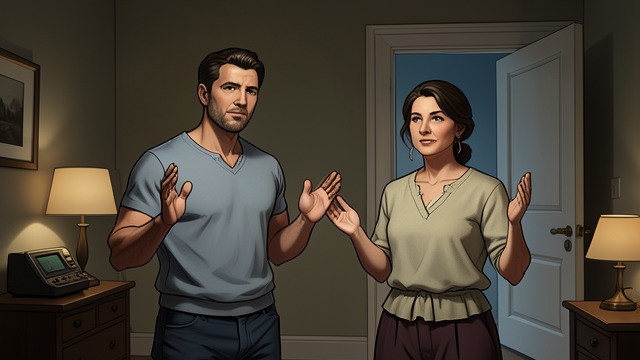
Memory Carried Forward
No Denial
William and Diana reconcile while acknowledging the damage they caused. They do not promise that future conflict will be impossible.
Chosen Mercy
Forgiveness becomes the decision to judge the whole person rather than the worst concealed fact. It opens a future without pretending the past did not happen.
Immediately after Diana's employment is exposed
When Diana visits William's penthouse
When William explains his marriage to Diana
At the final request for another chance
