
Abandonment Fear Conflict
Falling For The CEO: BAD BOY ROMANCEThis flow traces how both protagonists interpret intimacy through earlier experiences of being left.
increasing Bearing strength in each event
 decreasing
Bearing strength in each eventdecreasingDiana’s Loss Pattern
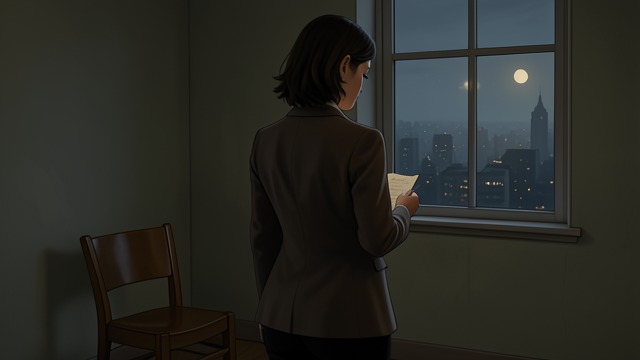
Love Associated With Absence
Sudden Rupture
Diana loses both parents at nineteen and experiences the future as something that can vanish without warning. Her grief encourages emotional caution.
Protective Detachment
She avoids valuing people and work too openly because attachment seems to invite renewed pain. The strategy preserves control while preventing full participation.
William’s Maternal Wound
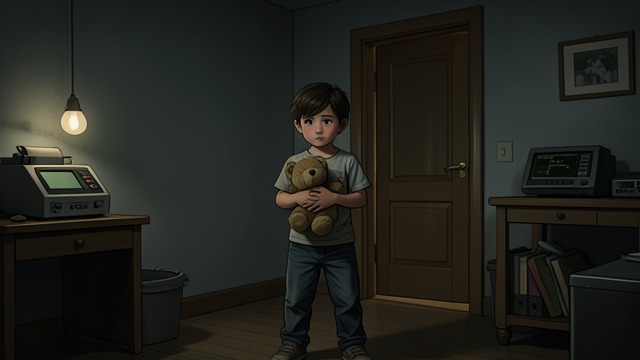
Expecting Departure
Childhood Abandonment
William grows up with the belief that a beloved person may choose to leave. His professional success compensates for insecurity but cannot disprove it.
Romantic Vigilance
He studies partners for signs of betrayal, protecting himself through suspicion. That vigilance later turns Diana's omission into apparent proof of a familiar pattern.
Mutual Trigger
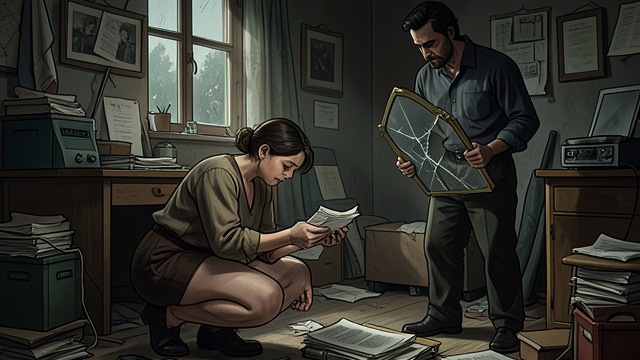
Two Fears Collide
Diana's Panic
Diana hides the truth because she fears losing work, love, and the emotional stability they represent. Her concealment is an attempt to prevent abandonment.
William's Reaction
William sees concealment and remembers Julia's betrayal. His accusation makes Diana's fear real, while his withdrawal confirms her expectation that love ends in departure.
Chosen Vulnerability
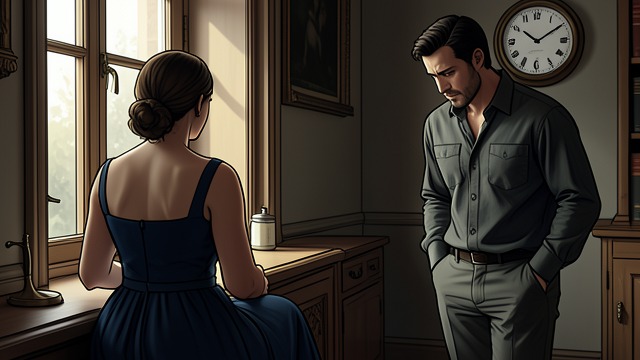
Waiting Without Control
Diana's Boundary
Diana promises to wait but refuses to remain with a man who has not addressed his wounds. She accepts vulnerability without demanding immediate reassurance.
William's Risk
William returns without certainty that Diana will accept him. Their reconciliation begins because both risk rejection instead of trying to eliminate it first.
After her parents' fatal accident
After Luna Jones leaves the family
When William discovers Diana's employment
At the end of the separation
