
Diana And Kate’s Friendship
Falling For The CEO: BAD BOY ROMANCEThis flow traces how Kate becomes Diana’s confidante, critic, and practical ally during the romance and employment crisis.
increasing Bearing strength in each event
 decreasing
Bearing strength in each eventdecreasingConfidante
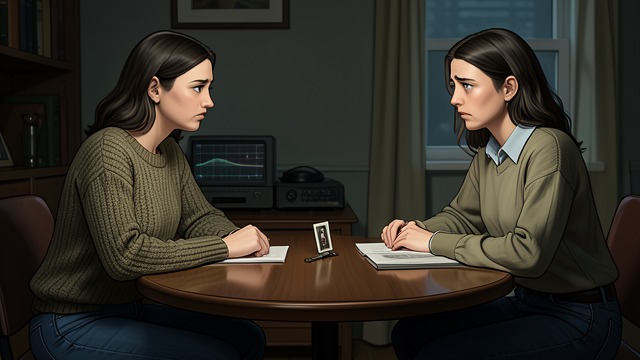
A Friend Sees Through Her
Immediate Suspicion
Kate notices Diana's tension after meeting William and presses her for an explanation. Her teasing quickly becomes concern when she learns about the elevator and the concealed identity.
Honest Criticism
Kate does not romanticize the deception. She insists that William will eventually discover the truth, making friendship a source of accountability rather than simple comfort.
Protective Scheme
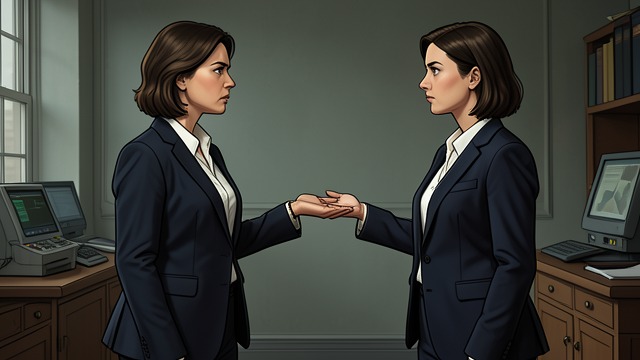
Loyalty Under Pressure
Proposed Intervention
Kate offers to organize the staff and protect Diana's position. She believes affection and evidence might delay the dismissal she considers inevitable.
Boundary Of Help
Diana refuses to let Kate risk her own employment. Their disagreement demonstrates that care can include respecting a friend's refusal to be rescued.
Truthful Testimony

Speaking For Diana
Professional Courage
Kate tells William that Diana is one of the best people she knows and that fear, not manipulation, caused the lie. She risks displeasing her new employer even though her own job is secure.
A Moral Challenge
Her testimony forces William to distinguish wrongdoing from character. Kate becomes the first colleague to articulate the compassionate interpretation he is resisting.
Friendship Preserved

Trust Restored Around Them
Shared Relief
Kate remains part of the workplace after the personal crisis. Diana no longer has to conceal the relationship, and their friendship can return to ordinary conversation.
Mature Solidarity
The friendship has survived secrecy, professional danger, and disagreement. It represents a form of loyalty that protects truth rather than merely protecting comfort.
The first Monday after the event
Before Diana confesses to William
During William's employee meetings
After William and Diana reconcile
