
What Makes a Child Themselves
Fever DreamThe two migrations unsettle the idea of a stable child identity, leaving parents to confront bodies and personalities they cannot fully recognize.
increasing Bearing strength in each event
 decreasing
Bearing strength in each eventdecreasingThe Missing Finger Thought
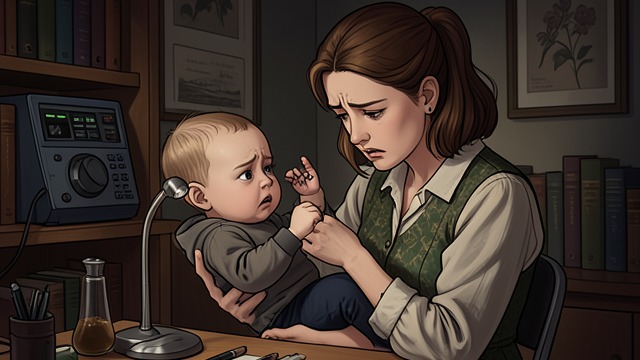
The Missing Finger Thought
A mother’s first fear
Carla remembers anxiously counting David’s fingers after his birth and imagining how terrible a small loss would be.
A measure of innocence
The memory foreshadows a later transformation far more profound than the bodily difference she once feared.
The Exchange Explained
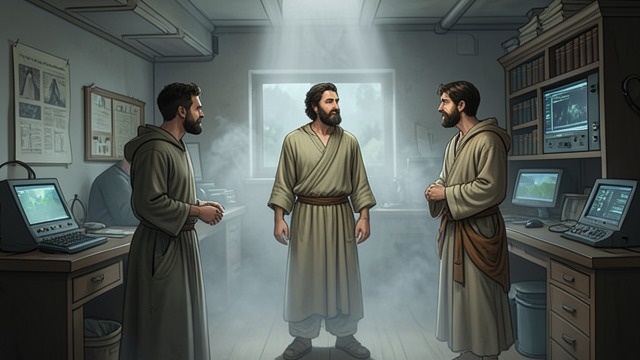
The Exchange Explained
Spirits between bodies
The healer says that migration moves David’s spirit and brings an unknown spirit into his original body.
Selfhood made uncertain
The procedure challenges Carla’s belief that familiar appearance can guarantee familiar identity.
The Boy Who Returns
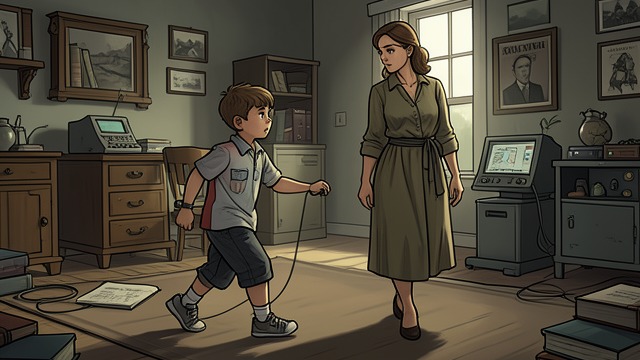
The Boy Who Returns
Familiar body, unfamiliar movements
David returns with strange steps, altered speech, and a changed manner of looking at Carla.
Recognition divided
Carla sees a surviving child but cannot simply recognize him as the son she remembers.
Nina Called David
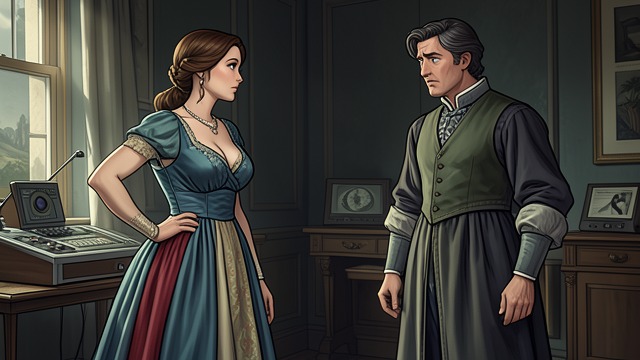
Nina Called David
A dream of substitution
Nina tells Amanda that she is David, repeating the fear implied by Carla’s story.
Maternal identity threatened
The dream makes migration an intimate possibility for Amanda rather than a distant account of another family.
Recognition Without Proof
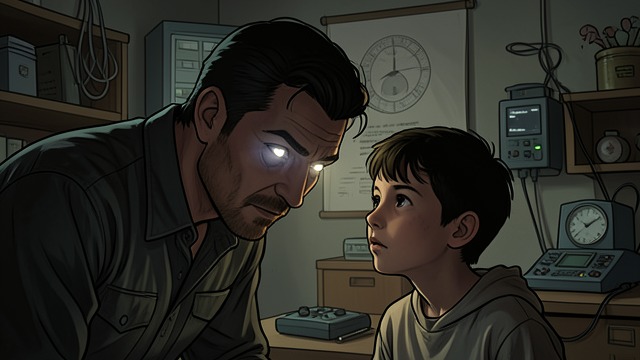
Recognition Without Proof
A pleading gaze
Amanda’s husband sees David’s eyes and recognizes that something is different, yet cannot explain what he sees.
Identity left open
David remains neither fully explained nor safely categorized as the boy his parents remember.
During Carla’s story of David’s birth
Before David’s migration
Immediately after the first migration
In Amanda’s fever dream before departure
In the husband’s final encounter with David
