“Sooner or later something bad will happen”
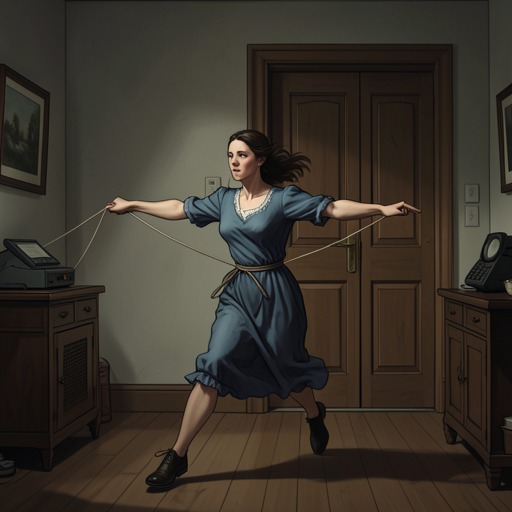
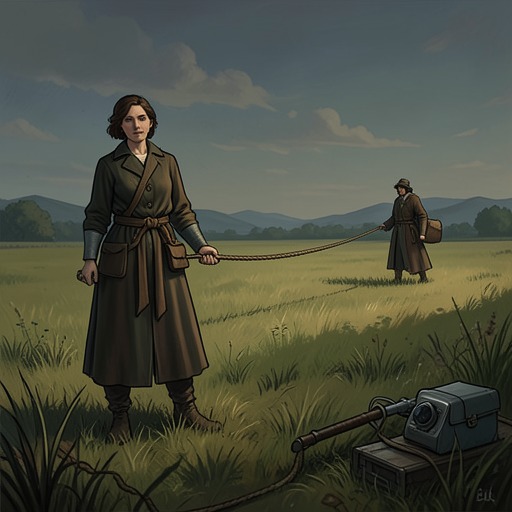
Fever Dream“Sooner or later something bad will happen” is a warning passed down through three generations, from Amanda’s grandmother to her mother and then to Amanda. In the novel it gives a name and a history to Amanda’s “rescue distance,” her effort to stay close enough to Nina to act when danger arrives—and to the painful recognition that preparation cannot control what happens.
Inherited Warning
Amanda’s mother tells her that something terrible will happen sooner or later, and that she wants Amanda nearby when it does. Amanda recalls the same warning coming from her grandmother to her mother throughout her mother’s childhood. The expression is therefore more than an individual precaution: it is a family lesson about anticipating danger, handed from one generation of mother and daughter to the next.
Rescue Distance
Amanda turns that lesson into a practical measure. She calls the variable distance between herself and Nina the “rescue distance” and spends much of the day calculating how quickly she could reach her daughter if something went wrong. At the pool, she imagines how long it would take to get out of the car and reach Nina if the child ran toward the water. The warning’s abstract expectation of future harm becomes a repeated calculation tied to ordinary surroundings and specific possible emergencies.
Amanda recognizes this habit as something inherited from her mother. Remembering the instruction to stay within rescue distance, she also understands her vigilance as an attempt to get ahead of anything that might happen. The phrase thus carries both care and apprehension: it guides Amanda’s closeness to Nina while keeping her attention fixed on a danger that has not yet occurred.
The Warning Tested
The family history lends the warning a bitter force when Nina is in danger. Carla tries to help by arranging a plan involving the Green House, where a woman believes that moving David’s spirit to another body might divide the poison and give him a chance to survive. Later, amid the crisis involving Nina, Carla holds Amanda’s hands and asks for her consent. Amanda comes to understand that Carla is asking for forgiveness, not permission, and thinks urgently about getting Nina out of the house.
The warning has prepared Amanda to expect disaster, but it cannot ensure that she will be able to prevent it. Its repeated passage through the family binds maternal care to anticipation and fear; the crisis exposes the gap between being close enough to try to help and being able to save someone. The rescue distance is both a form of vigilance and a measure of that limit.