
The Making of King’s Landing
Fire & BloodThis thread traces the growth of King’s Landing from a rough conquest camp into a royal city whose infrastructure shapes daily life.
increasing Bearing strength in each event
 decreasing
Bearing strength in each eventdecreasingA Fort on a Hill
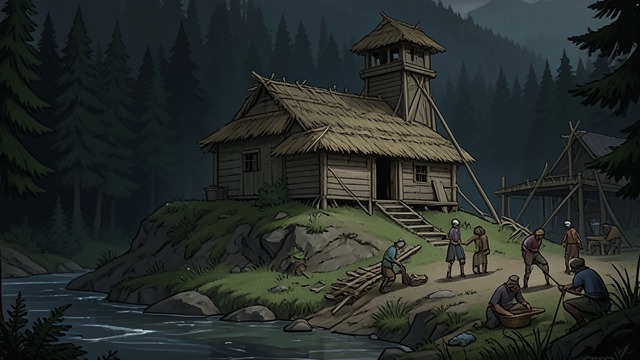
The First Settlement
A Military Camp
Aegon raises a crude fort on the hill above the Blackwater Rush. The settlement is initially little more than a protected landing site.
A Royal Center Emerges
The conqueror chooses the settlement as his future seat, bringing political authority and trade to a place without an established city.
The City Grows Unplanned
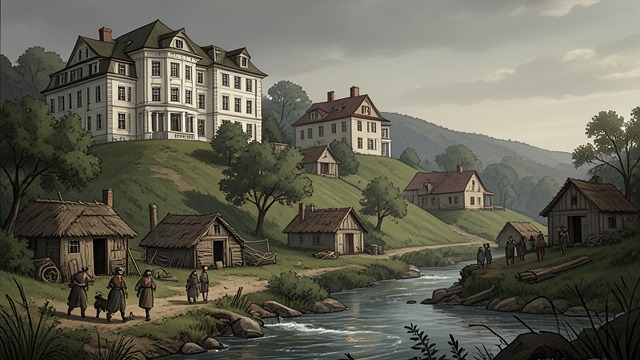
A City Without a Plan
People and Trade Arrive
Merchants, sailors, and workers follow the court. Markets and homes spread quickly across the hills and riverbank.
Uneven Growth
Wealthy manses rise beside poor hovels. The expanding city becomes populous but remains dirty and vulnerable.
Walls and Seven Gates
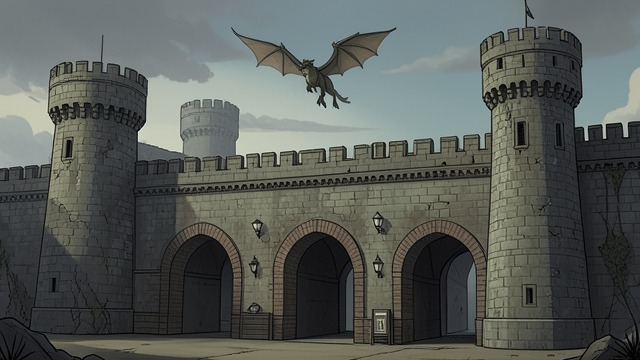
Defending the Capital
A New Threat Is Recognized
Reports of a distant raid make Aegon reconsider the city’s vulnerability when the king and dragons are away.
A Ring of Walls
Construction creates a fortified perimeter and seven gates. The walls express religious symbolism as well as a practical need for defense.
A City Remade
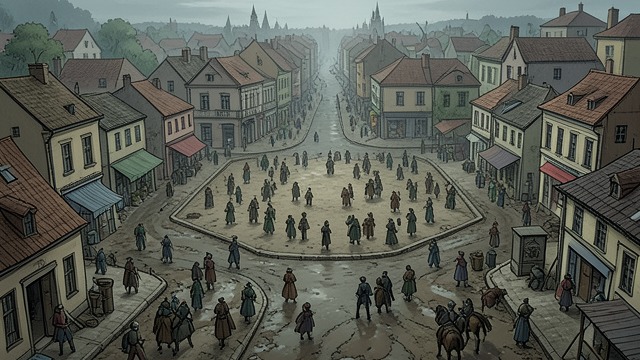
Streets and Public Space
Acknowledging the Disorder
Jaehaerys sees that narrow, muddy streets make the capital difficult to navigate and unhealthy to inhabit.
A New Urban Pattern
He widens roads and creates a central square. The work proceeds over years, but begins a sustained royal effort to improve the city.
Water and Sanitation
A Healthier Capital
A Basic Need
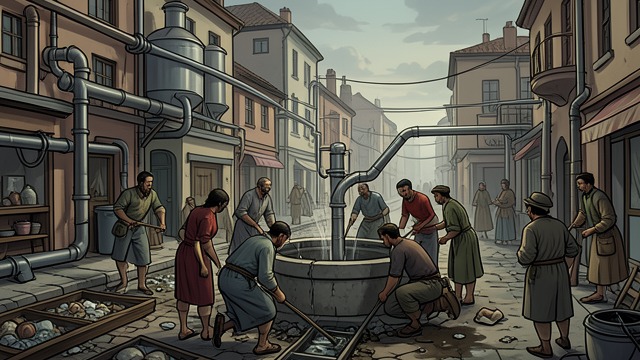
The city’s water is dirty and its waste accumulates in streets. The problem is especially serious for the poor.
Wells and Sewers
Jaehaerys and Alysanne support wells, pipes, cisterns, and drainage. The improvements outlast their reign and change ordinary urban life.
2 BC, during the initial landing
1–25 AC, as trade shifts to the new capital
19–26 AC, during the wall construction
52 AC, after Jaehaerys’s return to personal rule
After 57 AC, during infrastructure projects
