The Four-Year Winter
Fire & BloodThe Four-Year Winter was the prolonged cold that gripped Westeros from 131 to 135 AC, deepening the hardship left by the Dance of the Dragons. With trade disrupted, settlements damaged, and food stores dwindling, winter became more than a season: it intensified famine, exposed regional vulnerabilities, and burdened communities already struggling with violence and disease.
Duration and Conditions
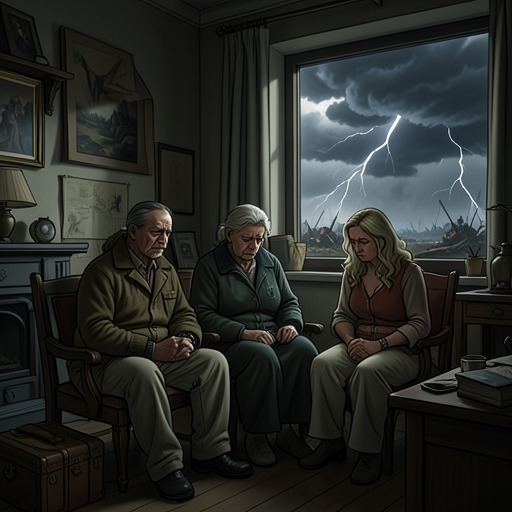
By the end of 131 AC, winter had descended upon Westeros and was expected to last four years. It was remembered as one of the coldest and bleakest winters in the history of the Seven Kingdoms. Its effects fell upon a realm weakened by the Dance: trade had collapsed, countless villages, towns, and castles had been destroyed or slighted, and outlaws and broken men haunted the roads and woods.
Famine and Uneven Hardship
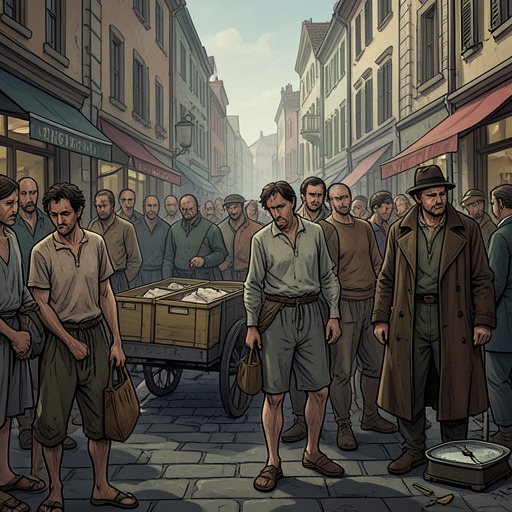
The North endured the winter’s most acute food crisis. In 134 AC, Lord Dustin shut the gates of Barrowton against hundreds of starving villagers gathered outside. White Harbor could bring food in from the south by sea, but prices rose so high that some men sold themselves to foreign slavers so their families could eat; others sold their wives and children. Even in the winter town beneath Winterfell’s walls, people resorted to eating dogs and horses. The Night’s Watch suffered both hunger and cold, losing a third of its members. Its remaining brothers also faced thousands of wildlings crossing the frozen sea east of the Wall, and hundreds more died in the fighting. The season thus endangered the North not only through failed supplies, but by making the Wall’s frontier newly passable to large numbers of attackers.
Disease and Conflict
The winter coincided with the spread of Winter Fever, a separate epidemic rather than another name for the cold. Late in 132 AC it swept across the Three Sisters, killing half the population of Sisterton. Survivors blamed a whaler from the Port of Ibben and killed Ibbenese sailors, but the disease crossed the Bite to White Harbor regardless. Among its victims were Lord Desmond Manderly and his son Ser Medrick; Medrick’s death without children transferred the lordship to his brother, Torrhen Manderly, who consequently left the council of regents to rule White Harbor. War and instability continued alongside scarcity. In the Iron Islands, a violent succession struggle followed the death of the Red Kraken, while the broader realm remained affected by conflict across the Sunset Sea, the Stepstones, and the Disputed Lands. As food stores dwindled in the North, Cregan Stark borrowed a large sum from the Iron Bank of Braavos to buy food and seed for his smallfolk. His loan was a direct effort to relieve hunger, while the continuing wars and ruined trade constrained recovery elsewhere.
The End of Winter
The Conclave sent white ravens from Oldtown early in 135 AC to announce the end of the long winter. The news marked a change in conditions, not an instantaneous repair of the damage: the kingdom was only beginning to emerge from years of cold, hunger, epidemic, and disrupted commerce. The end of the season coincided with the close of the Iron Islands war and Cregan Stark’s effort to secure provisions and seed, offering signs of recovery amid a realm still shaped by the crisis.