The Winter Fever epidemic
Fire & BloodThe Winter Fever was a lethal epidemic that moved through Westeros in the winter of 132–133 AC, striking island and coastal communities before reaching King’s Landing. Its rapid progress, high death rate, and inability of the period’s healers to stop it made the disease more than a public calamity: it killed rulers and heirs, altered the composition of the regency, and took Alicent Hightower in the aftermath of the Dance of the Dragons.
Background and spread
The fever first ravaged the Three Sisters late in 132 AC. In Sisterton, half the population died. Those who survived blamed the disease on a whaler from the Port of Ibben and attacked the Ibbenese sailors they could find, setting their ships alight. The account presents this as the Sistermen’s belief, not a proven explanation. As the contagion moved from port to port, reports placed it in White Harbor, Gulltown, Maidenpool in the Riverlands, and Duskendale; Braavos was said to be suffering as well. The maesters could not establish whether the fever had originated in Ib’s forests or arrived aboard a whaler.
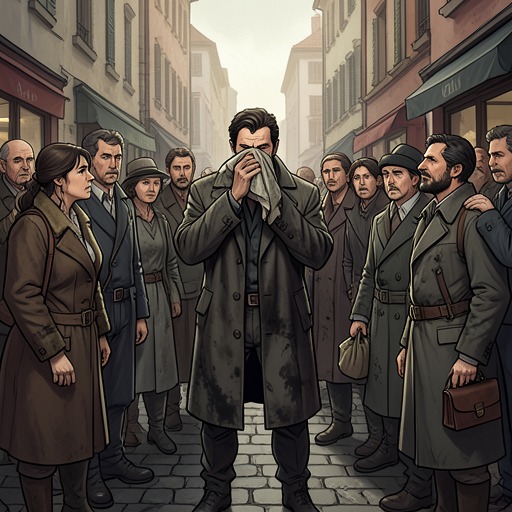
King’s Landing was struck on the third day of 133 AC. The first cases appeared among people working beside the Blackwater Rush: sailors, ferrymen, fishermongers, dockers, stevedores, and sex workers along the wharves. By the time the illness was recognized, it had spread from these riverside communities throughout the city, reaching both rich and poor. The epidemic’s path from port to port made the waterfront a point of exposure, but it did not remain confined to those who worked there.
Symptoms and attempted remedies
The illness began with a red flush on the face, a sign that could be mistaken for the redness caused by winter cold. Fever followed and continued to rise. By the second day, sufferers might be shivering and complaining of cold even while their bodies felt hot; delirium and bloody sweats followed on the third day. By the fourth day, a victim was dead or beginning to recover. Only one in four survived, according to the account.
Neither the maesters nor the remedies tried by those facing the outbreak could reliably halt it. Bleeding, garlic, potions, poultices, and tinctures failed. Immersion in snow or icy water appeared to slow the fever’s course, but not to stop it. That limited effect offered no dependable protection against a disease that could move from an early flush to death within days. The chronicler compares its severity with the Shivers, the earlier epidemic during the reign of Jaehaerys Targaryen, noting that the Seven Kingdoms had seen no pestilence of comparable terror since then.
Containment and the toll in King’s Landing
When word of the new illness reached court, Grand Maester Munkun went to examine the afflicted. After close contact with dozens of feverish dockside workers, he feared he might have been exposed and did not return to the castle. Instead, he sent an acolyte with an urgent letter to the Hand, Tyland Lannister. Tyland responded by ordering the Gold Cloaks to close the city and prevent anyone from entering or leaving until the fever had passed. He also ordered the gates of the Red Keep barred to protect the king and court.
The barriers could not keep the disease out of a city where it had already spread across its neighborhoods. Tens of thousands became feverish in the days that followed, and three-quarters of those affected died. Munkun was among the survivors. Ser Willis Fell, Lord Commander of the Kingsguard, died, as did two of his sworn brothers. Leowyn Corbray, the Lord Protector, retired to his chambers when he fell ill and tried to treat himself with hot mulled wine; he died, along with his mistress and several servants. Two of Queen Jaehaera’s maids also succumbed, though the queen herself remained healthy.
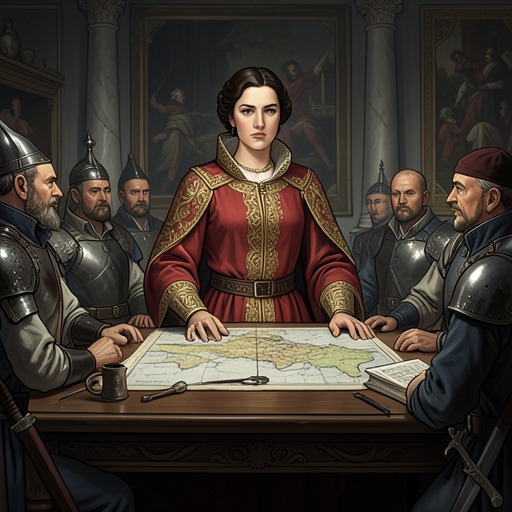
The City Watch lost its commander, and his successor died nine days later. Among the regents, Roland Westerling perished, while Manfryd Mooton survived after a severe illness, weakened by it. These losses show the epidemic’s reach across the city’s institutions: the royal household, the Kingsguard, the regency, and the watch all suffered. Closing the gates limited travel into and out of King’s Landing, but could not undo the spread already underway within it.
Deaths and political consequences
The fever had already changed the succession at White Harbor before its arrival in the capital. Lord Desmond Manderly died, followed four days later by his childless son, Ser Medrick, regarded as the finest knight in the North. The lordship therefore passed to Medrick’s brother, Ser Torrhen Manderly. He had to leave the Council of Regency to rule White Harbor, reducing the regents from seven to four. In this case, the epidemic’s political consequence followed directly from the deaths of both lord and heir.
Alicent Hightower died on the same night as Roland Westerling. She had outlived her children—Aegon, Aemond, Daeron, and Helaena—and spent the last year of her life confined to her apartments, with little company beyond her septa, serving girls, and guards. The account describes her grief deepening into isolation: she wept more than she read or sewed, tore her clothing into pieces, and developed a strong aversion to green. In her final days she seemed more lucid and spoke of wanting to see her children again, as well as Jaehaerys Targaryen, whom she remembered from childhood. Her death gives the epidemic a particularly stark place in the aftermath of the Dance: it took not only people active in the realm’s government but also a bereaved survivor of the royal family.
The Winter Fever’s record is therefore both epidemiological and political. Its cause remained uncertain, its treatments ineffective, and its spread across connected ports difficult to contain. Yet its consequences can be followed in specific deaths and changes of office, from Sisterton and White Harbor to the streets and court of King’s Landing. The epidemic did not distinguish between rank and station; its effects were felt in households, institutions, and the succession alike.