
The Faith Militant and the Doctrine of Marriage
Fire & BloodThis thread traces how religious rules, royal family customs, and political expediency repeatedly collide across the Targaryen dynasty.
increasing Bearing strength in each event
 decreasing
Bearing strength in each eventdecreasingA Custom Challenged
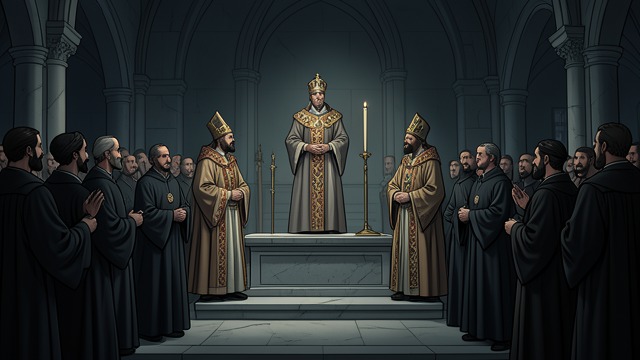
Royal Marriage Meets Doctrine
A Faith-Endorsed Match
Maegor marries Ceryse Hightower in a ceremony performed by the High Septon, despite the dynasty’s established sibling-marriage custom.
A Later Violation
Maegor’s second marriage to Alys Harroway defies both his brother and the Faith. The contrast shows how political consent can make the same custom seem tolerable or intolerable.
Aenys’s Children Become Targets
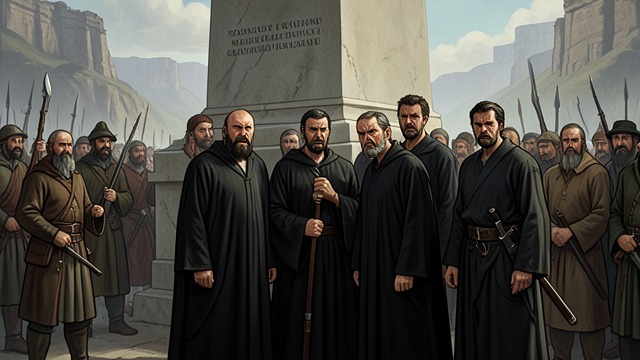
Marriage Becomes Rebellion
The Faith Condemns the Heirs
The Faith denounces Aenys’s children as abominations. The marriage question becomes a public challenge to the royal family’s legitimacy.
A Political Crisis
Religious doctrine mobilizes armed opposition, showing how family practice can become a struggle over who has the right to rule.
Exceptionalism Offers a Settlement
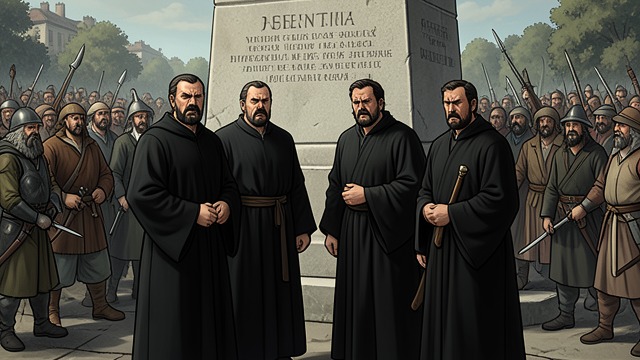
A Doctrine for the Dynasty
Targaryens as Different
The Seven Speakers argue that Targaryens are distinct from ordinary people because of their Valyrian ancestry and dragons.
A Bargain with the Faith
The doctrine gives the crown religious cover for its marriage customs. Its acceptance depends on preaching, political negotiation, and a cooperative High Septon.
Royal Marriage Shapes Succession
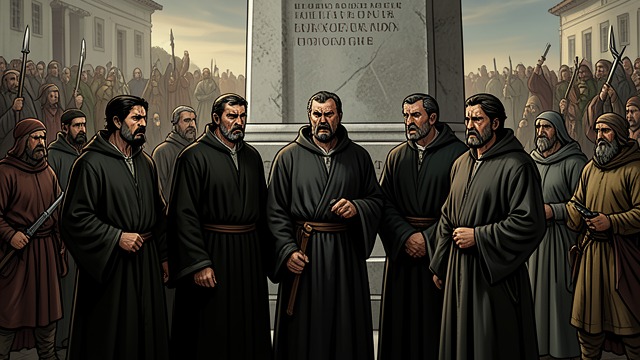
Family Policy and Statecraft
Dynastic Matches
Targaryens marry within the family or join with powerful houses, using marriage to strengthen claims and alliances.
The Cost of Precedent
A marriage can unify factions, but it can also create heirs whose claims compete. The dynasty’s family structure becomes a political system in its own right.
A Marriage Ends the Dance
Reconciliation Through Marriage
Two Lines Are Joined
Aegon III and Jaehaera are married to unite the rival branches after the war.
Symbolism Has Limits
Their childhood trauma and later Jaehaera’s death show that a dynastic marriage can settle a political claim without healing the people bound by it.
25 AC, at Maegor and Ceryse’s wedding
41–42 AC, after Aegon and Rhaena wed
51–54 AC, under Jaehaerys
101–114 AC, as the dynasty expands
131 AC, at Aegon III’s wedding
