
Andrew's Countermove
FirestarterThis flow traces Andrew McGee’s recovery of his mental-control ability, his discovery of what the Shop is doing to Charlie, and the costly plan he sets in motion.
increasing Bearing strength in each event
 decreasing
Bearing strength in each eventdecreasingThe Power Turns Inward
The Power Turns Inward
An unexpected experiment
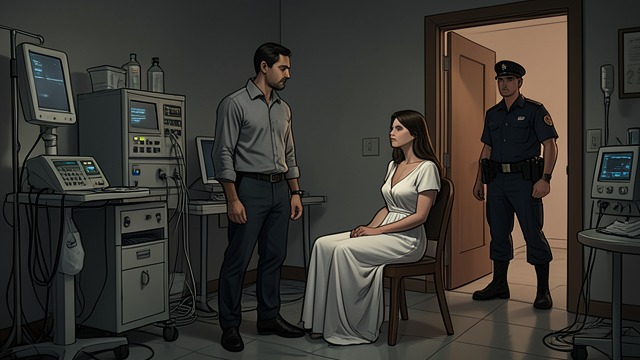
Alone in the dark, Andrew has no one to influence and no clear route out. He begins to think about his dependence on Thorazine and realizes that he can try directing the mental push at himself. The attempt is not a conventional test but an act of will born from fear, isolation, and a sudden conviction that Charlie may be in danger.
Dependence loses its grip
Andrew pushes himself away from his craving for the drug. When he tests the thought of taking a pill, it no longer carries its former emotional force. He understands that his ability has returned, though he cannot tell why it disappeared or why it has reawakened.
The discovery gives Andrew purpose, but not safety. He must pretend to remain drugged and powerless while the Shop watches him, and every future use of the push could worsen his headaches or cause irreversible injury. His renewed agency is inseparable from the physical cost it may exact.
An Unwitting Collaborator
An Unwitting Collaborator
A test of the disguise
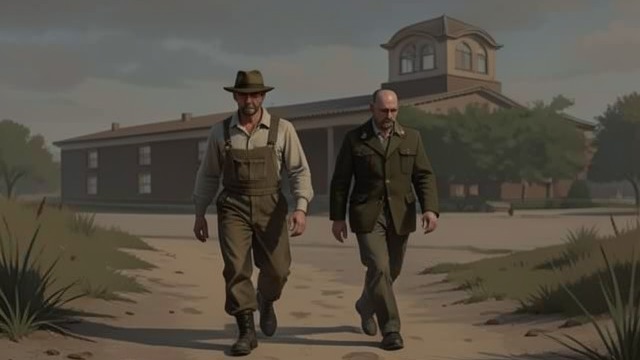
Andrew continues to act like a medicated captive while secretly withholding or disposing of his pills. He waits for a safe opportunity and uses an outdoor walk with Herman Pynchot to learn more about the compound and the Shop’s plans. The deception depends on appearing dull and compliant even as he observes every detail.
The plan begins to form
Andrew subtly influences Pynchot to recommend another period of testing rather than sending him away to Maui. The request buys time and keeps Andrew close to Charlie. Yet the interaction also exposes Andrew to the danger of an echo effect: suggestions can attach to a subject’s buried fears and grow beyond the intended instruction.
Andrew has begun using the Shop’s procedures against it, but he has not yet found a way to reach his daughter. The doctor’s vulnerability makes him a source of information and a potential casualty of the very power Andrew is trying to control.
The Cost of a Push
The Cost of a Push
A suggestion takes root
Andrew’s influence over Pynchot develops into a damaging mental ricochet. Rather than fading, the suggestion connects with Pynchot’s concealed history and intensifies into an obsession he cannot control. Andrew recognizes the danger, but he does not get the opportunity to interrupt the process before it becomes catastrophic.
Pynchot's death
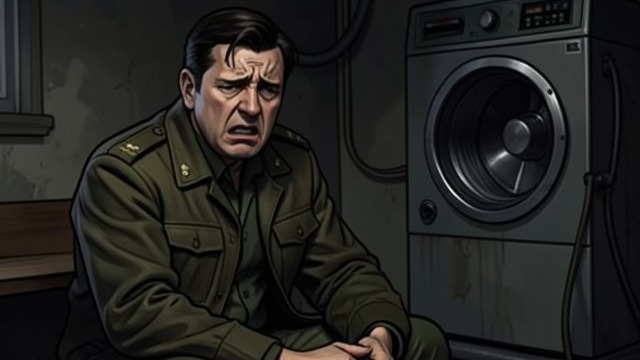
Pynchot dies by suicide in a grotesque act involving the garbage disposal in his home. The event shocks Andrew and gives Captain Hollister grounds to suspect that Andrew has secretly regained his ability. Andrew denies causing the death deliberately, but cannot dismiss his role in the chain of events.
The episode establishes the moral risk of mental domination: influence does not end at the moment of the push. Once a suggestion enters a vulnerable mind, it can develop a life of its own. Andrew must continue his rescue effort knowing his power can harm people he never intended to destroy.
The Truth About Charlie
The Truth About Charlie
A dangerous interview
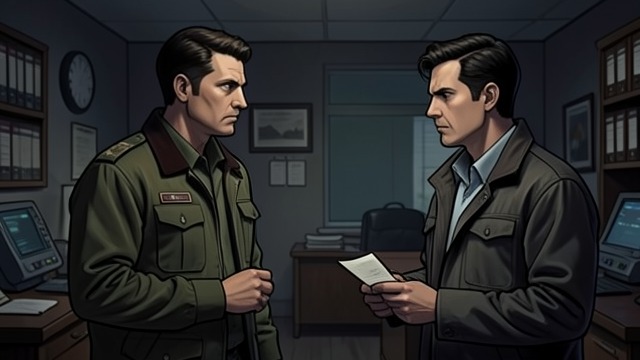
Captain Hollister brings Andrew to his office and tells him that Pynchot is dead. Andrew uses the meeting to question Hollister about Charlie, the testing program, and the Shop’s intentions. The conversation confirms that Charlie has begun performing controlled fire tests under a system of rewards and pressure.
A father learns the terms
Andrew also learns that Rainbird has cultivated Charlie’s trust and that the Shop expects to discard her when her usefulness ends. The revelation is especially painful because Charlie may believe that Rainbird is her only friend inside the compound. Andrew’s fear for her is now matched by anger at the deliberate exploitation of her loneliness.
With time limited, Andrew uses the push to make Hollister arrange a joint departure and carry a note to Charlie. The plan is precarious: it depends on a damaged official, on secrecy inside the very institution he leads, and on Andrew’s ability to survive the push long enough to act.
A Body Near Its Limit
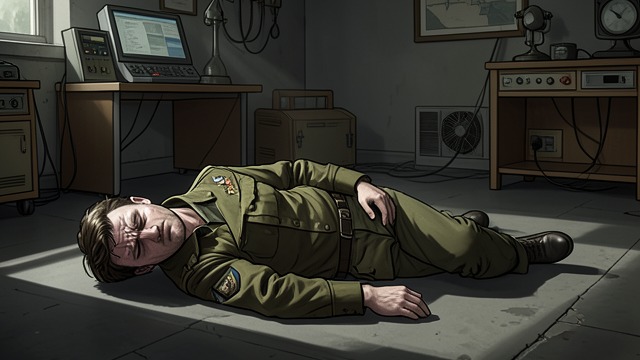
A Body Near Its Limit
The physical warning
After forcing Captain Hollister to alter the departure arrangements, Andrew collapses into sleep with a severe headache. Numb patches return to his face, and he knows that the damage from his use of the push is becoming harder to ignore. He does not have the luxury of recovering fully before the next stage of the plan.
The choice to continue
Andrew understands that more pushing may kill him, but he continues because leaving Charlie with the Shop and Rainbird seems worse. His strategy relies on keeping the number of further interventions as low as possible and on making Charlie, once they reunite, the force that the Shop cannot easily counter.
The plan is no longer a way back to an ordinary life. It is an attempt to give Charlie a chance to escape and to prevent the Shop from deciding her future. Andrew’s declining health turns every hour into a calculation about how much of himself he can spend before the plan reaches her.
The night of the August 19 blackout
Three weeks after the blackout
The weeks after Andrew influences Pynchot
Two days after Pynchot's death
The night before the scheduled departure
