
Death and the Limits of Possession
First LoveThis flow traces how the story moves from romantic attachment toward an awareness that neither love nor memory can hold life in place.
increasing Bearing strength in each event
 decreasing
Bearing strength in each eventdecreasingA Romance Interrupted
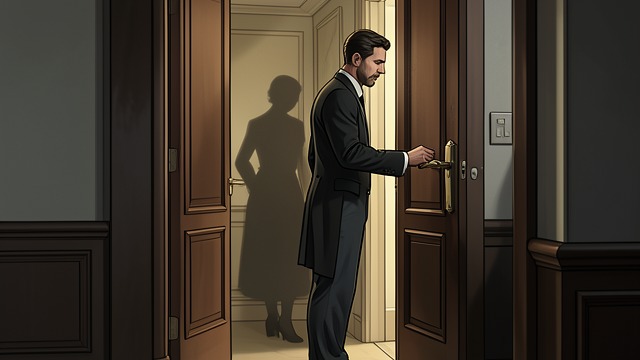
The Unfinished Meeting
An Intended Visit
Vladimir learns that Zinaïda is in Saint Petersburg and plans to see her. Before he goes, he has time to imagine a possible reunion with the woman he remembers.
A Final Absence
He arrives at the Hotel Demut too late and learns she has died. The news ends the possibility of encounter without resolving what their past meant to either of them.
The Poor Woman’s Deathbed
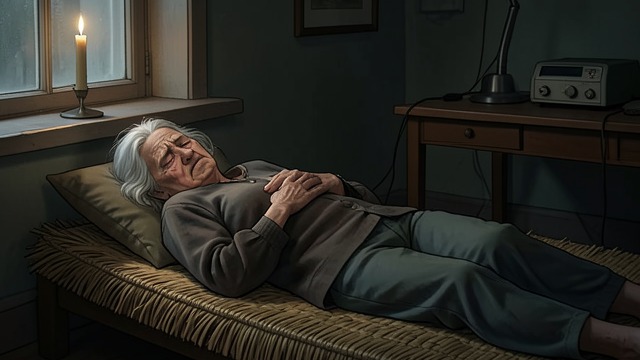
A Wider Encounter with Death
A Painful Passing
Vladimir witnesses the death of a poor old woman who lived with hardship and little joy. She continues to cross herself and ask forgiveness until near the end.
A Need to Pray
The scene turns his attention beyond romantic grief. He feels moved to pray for the dead woman, Zinaïda, his father, and himself.
Memory Cannot Restore Life
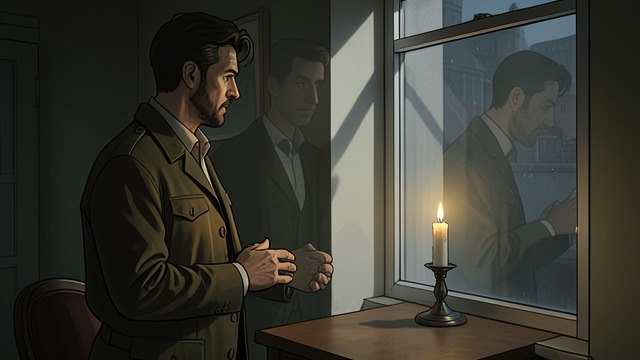
What Remains After Loss
The Dead and the Past
Vladimir’s memories preserve gestures, faces, and feelings, but cannot return the people who produced them. The distinction between remembering and possessing becomes central to the ending.
A Mortal Perspective
His reflections on youth and death place personal love within a larger human vulnerability. The story closes with humility before what cannot be recovered or fully understood.
Four years after the summer of 1833
A few days after Vladimir hears of Zinaïda’s death
At the conclusion of Vladimir’s recollection
